

Nostalgic yet fresh!? Classic masterpieces of Japanese rock from the 1970s and 1980s


I think it’s fair to say that up through the 1980s, Japan’s rock scene was, in a sense, the golden age of Japanese rock.
From the 1990s onward—after the Heisei-era “Ika-ten” band boom—rock became, for better or worse, a polished “product.” In contrast, up until the ’80s, it was truly an age of fierce rivalry, with uniquely individual rock bands and rock singers flourishing.
Here, I’ll introduce some “classic rock masterpieces” from the era before Japanese rock came to be labeled J-ROCK or J-POP.
For those who experienced that time in real time, I hope this brings back fond memories; for younger listeners who didn’t live through Showa in real time, I think you’ll find it fresh and exciting.
Please surrender yourself to the sounds of Japan’s good old rock and enjoy.
- A special feature on classic and hit songs by bands that were active in the 1980s
- [1970s] Classic and hit songs of Japanese rock that blazed through the dawn era
- Cool songs from the Showa era. Masterpieces from Showa that shine with sensuality, passion, and rugged charm.
- [1970s] Collection of Japanese hit songs. Nostalgic masterpieces of Japan
- Classic and hit Japanese pop songs from the nostalgic 80s
- [J-Rock] Timeless masterpieces that colored the 1990s. Nostalgic hit songs.
- Thrilling to Cool Showa-Era Tunes! Classic Songs from Female Singers and Artists of the Showa Period
- Legendary Japanese rock masterpieces and hit songs of the 1960s
- Popular Showa-era pop. Timeless hit songs.
- 1980s: Legendary Western Rock Bands’ Classic and Hit Songs
- [Revisited] A roundup of popular and classic Showa-era songs that are trending now [2026]
- Now’s the time to listen! Uplifting Showa-era songs that brightened Japan
- Revival hits driven by social media! Classic Showa-era songs popular with Gen Z
Nostalgic yet fresh!? Classic Japanese rock masterpieces from the 1970s and 80s (71–80)
Funky Monkey BabyKyaroru

Released in June 1973, this was the seventh single by the legendary rock band Carol, led by Eikichi Yazawa—known affectionately as E-chan.
Although Carol was active for only four years, they caught the eye of Yuya Uchida and Mickey Curtis, which led to their debut.
They were truly a case of “the sandalwood is fragrant from its first sprout”—impressive from the very beginning.
Their song Funky Monkey Baby is packed with nostalgia: a moving guitar riff, a bass line brimming with sensuality—every element screams rock.
Chisato Moritaka has also done a super-energetic cover, so be sure to check that out too!
Monkey MagicGodaigo

“Monkey business” means wrongdoing or mischief.
Words that start with “monkey” generally carry the sense of being second-rate or insignificant.
Does that make “Monkey Magic” a trivial magic trick, then? Be that as it may, doesn’t this song instantly bring to mind the TV drama “Journey to the West”? Many people probably used to imitate Masaaki Sakai’s action scenes as Sun Wukong when they were kids.
Masako Natsume, who played the monk Tripitaka, was stunningly beautiful.
Sung entirely in English, this song’s mechanically tinged intro, reminiscent of progressive rock, made everyone feel the future.
Little Red Riding Hood, bewarereijii

This is the third single by the idol band Lazy—also known for having featured Akira Takasaki and Munetaka Higuchi, who later achieved worldwide success with LOUDNESS—released in February 1978.
Incidentally, Lazy’s vocalist was Hironobu Kageyama, who is now active mainly in anime songs.
Listening with ears familiar with LOUDNESS’s sound today, it feels odd that they were performing this kind of kayō-style rock (?) back then.
However, I recall later interview articles stating that this musical direction was determined by the record label and management, and the members had no choice but to follow it.
I think the track holds valuable documentary significance in the history of Japanese rock.

Nostalgic yet fresh!? Classic hits of Japanese rock from the 1970s and 80s (81–90)
VirginityRebekka
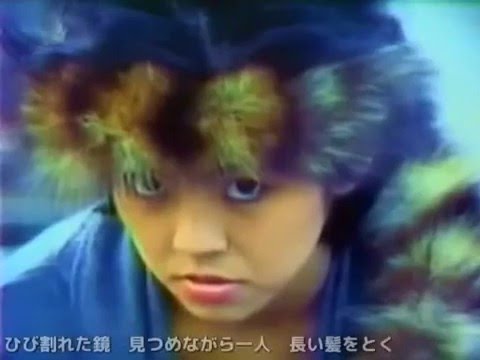
Released in November 1984 as the second single by Rebecca—a band that sparked the band boom and greatly influenced later bands and singers.
The track features a driving yet simple arrangement, which seems to further highlight NOKKO’s powerful vocals.
The lyrics, which portray someone pressing forward toward freedom despite their pain, are also striking; they resonate with the song’s atmosphere and come across as a stirring, rousing expression.

Tsuppari High School Rock’n’Roll (Exam Edition)Yokohama Ginbae

This is the fourth single by the band Yokohama Ginbae, who sing about the lifestyle of tsuppari (delinquent youths) set to rock ’n’ roll, released in October 1981.
It’s a sequel to their second single, “Tsuppari High School Rock ’n’ Roll (Going to School Edition),” and depicts a tsuppari struggling as exams approach.
While tsuppari are often associated with delinquents or “bad” kids, this song portrays them clumsily doing their best to be filial to their parents.
The way the tsuppari earnestly faces the exam and ultimately fails comes across as endearing.
RUNNERbakufū suranpu

Bakufu Slump is a four-piece rock band known for their unforgettable, steel-hued vocals and lyrics that evoke youthful memories.
Their 12th single, “Runner,” used as an insert song on the variety show “Tensai! Takeshi no Genki ga Deru TV,” is a moving number with a heartfelt message to then-bassist Hōjin Egawa, who had decided to leave the band.
Its melody is both catchy and tinged with melancholy—an unforgettable tune that many from that generation can’t help but hum.
With a thrilling arrangement that makes skillful use of key changes, it stands as a hit track etched into the history of Japanese rock.

Impossible!bakufū suranpu

Bakufu Slump was formed when two bands, Super Slump and Bakufu-gun, became one.
They have an image of being able to handle anything, from ballads like “Under the Big Onion” to rock songs like “I Want to Be the Talk of the Town.” The song “Tabibito yo ~The Longest Journey~,” which came from a TV show, is a classic you still hear often today.
“Muri da!”—which fully showcases Bakufu Slump’s playful side—is one of their early signature tracks! Its lyrics list one impossible demand after another, and every part is sure to make you crack a smile.
It’s a nostalgic tune that perfectly suits Sunplaza Nakano’s rugged, powerful voice.