

[Japanese Rockabilly] A Spotlight on Japanese Rockabilly Songs and Musicians

Rockabilly is a music genre defined by its sprightly rhythms and an energetic yet cool sound.
Think slapping, grooving upright bass, shout-style vocals, and twist dancing—it’s like the essence of cool distilled into music.
In this article, we’ll be introducing Japanese rockabilly tracks.
Naturally, there are plenty of musicians in Japan who’ve been captivated by rockabilly.
This is especially recommended if you’re just getting into the genre!
- Nostalgic yet fresh!? Classic masterpieces of Japanese rock from the 1970s and 1980s
- The Roots of Rock ’n’ Roll! Must-Listen Rockabilly Classics and Fan Favorites
- Legendary Japanese rock masterpieces and hit songs of the 1960s
- [J-Rock] Timeless masterpieces that colored the 1990s. Nostalgic hit songs.
- A compilation of cool Japanese rock band songs. Recommended tracks for cover bands.
- Rock 'n' Roll Japanese Band Special [Japanese Rock]
- Revival among the youth? Japanese dance music that was a hit in the 1980s. Showa-era dance tracks.
- Start here! A roundup of classic and signature songs of overseas psychobilly
- Packed with slap groove vibes! A collection of songs with cool bass
- [Gets you grooving] Upbeat Japanese songs. Tracks that make you feel happy.
- Recommended Japanese bands with female vocals
- [Japanese R&B] Notable Classics & New Tracks, Representative Songs of Japanese R&B
- [Japanese Rockabilly] A Spotlight on Japanese Rockabilly Songs and Musicians
[Japanese Rockabilly] A Feature on Japanese Rockabilly Songs and Musicians (41–50)
Promenade in the RainMikkī Kāchisu to Za Samuraizu

Mickey Curtis is a singer counted as one of the “Three Rockabilly Guys,” and he is also active as an actor and a rakugo storyteller.
“Ame no Promenade” was released in October 1967 under the name Mickey Curtis and The Samurais.
Guns Of SaxophoneTRI4TH

It’s a super cool track that fuses rockabilly and jazz! It’s a song by TRI4TH, a band known for their “danceable jazz” style, included on their 2017 album 4th Rebellion.
Built solidly on a rockabilly foundation, it’s a bebop-inspired piece.
The piercing horn section sounds unbelievably good.
Definitely give it a listen while twisting and clapping along.

I’m gonna cry (boo-hoo).Moriya Hiroshi

Would you like to feel the breath of the rockabilly singers who were popular in Japan in the 1950s through this song? This is a signature number by Hiroshi Moriya, who, along with Hiroshi Mizuhara and Hiroshi Inoue, was known as one of the “Three Hiroshis.” It was released as a single in 1959.
Until then, Moriya had been active on a rockabilly track, but due to some complications during his acting career, he changed course and released this kayōkyoku song, “Boku wa Naichicchi,” which became a huge hit.
In that sense, it may be a key work that unravels the history of the rockabilly boom in Japan.
One-Eyed JackKatsumi Shigeru
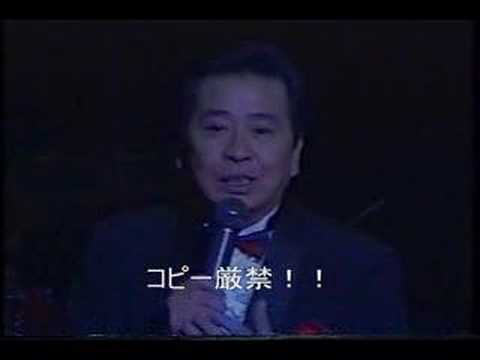
Shigeru Katsumi, known for the theme song of Eight Man.
The single he released in June 1962 is Katame no Jack (One-Eyed Jack).
The original song is Ballad of the One Eyed Jacks, sung by Johnny Burnette, and this is its Japanese cover version.
Work SongBito Isao

This is a single released in November 1966 by Isao Bito, famous for the theme song of Ashita no Joe, and it was also included on an album released in December of the same year.
The song was originally by Nat Adderley, with Japanese lyrics added by Minoru Matsuo.