

[Japanese Rockabilly] A Spotlight on Japanese Rockabilly Songs and Musicians

Rockabilly is a music genre defined by its sprightly rhythms and an energetic yet cool sound.
Think slapping, grooving upright bass, shout-style vocals, and twist dancing—it’s like the essence of cool distilled into music.
In this article, we’ll be introducing Japanese rockabilly tracks.
Naturally, there are plenty of musicians in Japan who’ve been captivated by rockabilly.
This is especially recommended if you’re just getting into the genre!
- Nostalgic yet fresh!? Classic masterpieces of Japanese rock from the 1970s and 1980s
- The Roots of Rock ’n’ Roll! Must-Listen Rockabilly Classics and Fan Favorites
- Legendary Japanese rock masterpieces and hit songs of the 1960s
- [J-Rock] Timeless masterpieces that colored the 1990s. Nostalgic hit songs.
- A compilation of cool Japanese rock band songs. Recommended tracks for cover bands.
- Rock 'n' Roll Japanese Band Special [Japanese Rock]
- Revival among the youth? Japanese dance music that was a hit in the 1980s. Showa-era dance tracks.
- Start here! A roundup of classic and signature songs of overseas psychobilly
- Packed with slap groove vibes! A collection of songs with cool bass
- [Gets you grooving] Upbeat Japanese songs. Tracks that make you feel happy.
- Recommended Japanese bands with female vocals
- [Japanese R&B] Notable Classics & New Tracks, Representative Songs of Japanese R&B
- [Japanese Rockabilly] A Spotlight on Japanese Rockabilly Songs and Musicians
[Japanese Rockabilly] A Feature on Japanese Rockabilly Songs and Musicians (41–50)
Do You KnowFurantsu Furīderu

Franz Friedel is half Japanese and half German, and he debuted in Japan as a singer in 1960.
He was popular not only for his vocal ability but also for his handsome looks.
“Do You Know” is a song released in 1966.
Franz also released songs under the name Akira Tsugawa.
Your BabyTerauchi Takeshi & Burū Jīnzu

One of the acts that sparked the electric guitar boom of the ’60s was Takeshi Terauchi and the Blue Jeans.
“Your Baby” was released in 1965 as their sixth single.
Its rock ’n’ roll-infused style—still unfamiliar in Japan at the time—captured listeners’ hearts.
The tempo is a bit slower than rockabilly, but it still makes you want to twist.
It’s moving to think that from here, rockabilly included, a variety of Japanese music genres went on to evolve.

Tonpei’s Hey You BluesHidari Tonpei
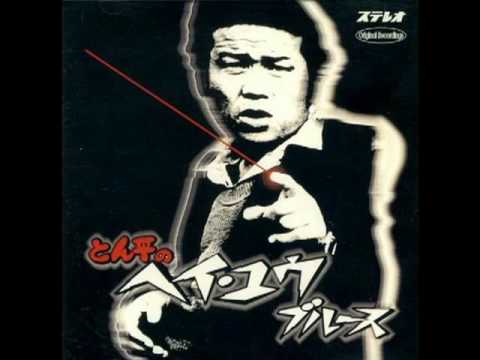
This song marked actor Tonpei Hidari’s debut as a singer and was released in November 1973.
It was produced by Mickey Curtis.
Its highest position on the Oricon chart was 73.
It was later covered by Kenji Ohtsuki.
Since I was bornDesumachi Kantai

Asakusa Jinta is a rock band that sticks to its unique path, performing band sets in rakugo and yose theater seats.
Under their former name, Death March Fleet, their song “Umarete Konokata” was included on the 1999 single “Iroiro Aru Kedo La La La no La.” Its charm lies in self-deprecating yet upbeat lyrics and a driving tempo.
It naturally lifts your spirits when you listen.
When you’re feeling down or anxious, it might make you think, “I want to live like this too.”
Body Rockabillyhimecarat

It’s super catchy, so I especially recommend it to anyone who wants to start getting into rockabilly! It’s a song by the band-style idol unit Himecarat, released as their second single in 2013.
The energetic sound blends a rock ’n’ roll vibe with the tones of a horn section, really getting your heart pumping.
But the lyrics—about a beloved person who isn’t by your side right now—carry a touch of melancholy.
As you listen, try thinking about who that person is for you.