

[Middle School Students] Easy One-Day Science Projects and Crafts Ideas


Have you already decided on your summer vacation independent research project? It’s easy to panic when you feel you have to do it but don’t have much time.
For junior high school students like that, here are some simple research and craft ideas you can complete in a day.
Once you gather the necessary materials, you can start right away! For example, there are experiments using everyday items and fun crafts you can make.
If you enjoy it, you’ll finish in no time.
After the experiment, write up your summary and reflections in a report.
That’s the most important part of the project.
Start thinking about it early so you can enjoy your summer vacation!
- Recommended for high school students! A collection of easy one-day science project ideas
- Stand out with your junior high school independent research! A collection of fun experiment and craft ideas
- DIY science projects that elementary school boys will love: ideas you can make with everyday materials
- [For Adults] Simple yet Impressive Crafts: A Stylish, Eye-Catching Collection
- Recommended for middle school students! A collection of quick science project ideas you can do in a short time.
- For upper-grade boys! Simple yet awesome craft project [Don’t call it lazy]
- Simple and cute summer project crafts! A collection of ideas for girls that will make you want to create
- Simple but awesome! Craft ideas for upper-grade girls
- Plastic bottles transformed! A collection of simple yet amazing craft ideas
- Adults will be hooked! A collection of craft ideas using toilet paper rolls
- [I don't want to be like everyone else!] Recommended independent research topics for high school students
- Simple yet amazing crafts: craft ideas that elementary school students will want to make
- Elementary School Students: Simple One-Day Science Project and Craft Ideas
[Middle School] Easy One-Day Science Project and Craft Ideas (71–80)
Making slime

Making slime is super easy and can be done in a day.
You can quickly gather the materials at a hardware store or pharmacy.
After that, just measure the amounts and mix them together.
The video shows the basic way to make slime, but if you look it up, you’ll find lots of variations—what you might call “arranged recipes.” Try finding one that suits you.
An easy place to start is an arrangement where you mix in glitter sold at 100-yen shops.

Boomerang making

A boomerang that spins through the air and returns to your hand can be bought in plastic, but you can also make one yourself out of paper.
One feature of boomerangs is that they come in a variety of shapes, so figuring out which shapes are more likely to come back to you is itself part of the experiment.
In the video, a three-bladed boomerang made of paper is created, but it’s the kind of experiment that invites you to explore other possibilities while using it as a reference.
Since proper throwing technique is also important, it might be a good idea to practice with a ready-made boomerang before giving it a try.

The Marble That Won’t Come Out

If you’re looking for an easy, hands-on science project, the “Unremovable Marble” is a great pick.
In this project, you’ll use the properties of wood to make a mysterious toy.
Wood becomes soft when soaked in water, and if you insert a marble into the wood at that time, it won’t come out once the wood dries.
When you see it in its dry state, it looks absolutely impossible to have put the marble in, so enjoy making it and look forward to everyone’s reactions when you reveal the trick!

Deodorizing pot made with an ice pack
@poccle Easy with an ice pack! I made a cute bottled deodorizing pot—perfect for a science project or a fun craft at home ♥ #craftsProduction#StayHomeTime#AtHomePlayIndependent ResearchSummer vacation homework #NurseryTeacher#NurseryTeacherMomParentingCoolant packDeodorization
♬ Relaxing, cute everyday BGM – Avi
Do you have leftover cold packs from buying cakes and other treats sitting in your freezer? Here’s a deodorizing gel pot you can make with those cold packs—perfect as a summer science or craft project for upper elementary students.
Get your materials ready: cold packs, beads, a plastic container, an empty jar, colored markers, a bowl, water, and a stirring stick.
Squeeze the contents of the cold pack into the bowl, add water, and stir until it becomes a gel.
Color the bottom of the plastic container, then add the gelled cold pack and mix to tint it.
Spoon the mixture into the empty jar, add beads or other decorations, and you’re done.
It’s a simple deodorizing pot you can make with everyday items—try creating your own original version!

Cute herbarium
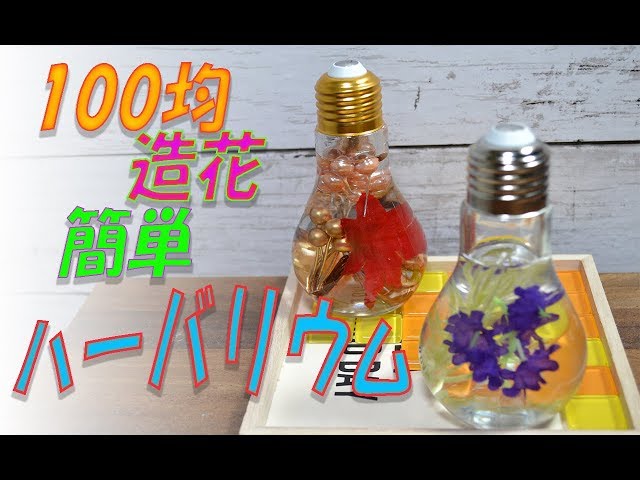
Why not try making a herbarium, a popular interior decoration? Prepare a container, your favorite flowers and beads, and baby oil.
First, place the flowers and beads into the container, being careful not to overfill it.
Also, if anything tends to float when put in liquid, soak it in the liquid beforehand.
Once you’ve added all the parts, slowly pour in the baby oil, close the container lid, and it’s done.
You can also focus on choosing a stylish container and decorate it with stickers or washi tape to make it extra cute.

Binchotan charcoal battery

This is an experiment to turn binchotan charcoal into a battery.
Prepare binchotan charcoal, aluminum foil, saltwater, and paper towels.
Wrap the binchotan in a paper towel, pour saltwater over it, and then wrap it with aluminum foil.
When you connect a motor to it, the motor starts running.
As the aluminum foil dissolves in the saltwater, electrons are generated.
The air within the binchotan receives these electrons, creating an electric current.
It would be good to compile a report explaining the role of each step and how the electricity is generated.

Research the measures and history of defending castles from enemies

There are castles from the Sengoku period all over Japan.
They are packed with the wisdom and ideas of people from that time, featuring structures that made them hard to attack and many ingenious designs that made it easier to defeat invading enemies.
Go visit a castle, observe these features firsthand, and put your findings together in a report.
It might take a little time, but you can do it while sightseeing, so it’s a research project you can enjoy as you go!
