

[Middle School Students] Easy One-Day Science Projects and Crafts Ideas


Have you already decided on your summer vacation independent research project? It’s easy to panic when you feel you have to do it but don’t have much time.
For junior high school students like that, here are some simple research and craft ideas you can complete in a day.
Once you gather the necessary materials, you can start right away! For example, there are experiments using everyday items and fun crafts you can make.
If you enjoy it, you’ll finish in no time.
After the experiment, write up your summary and reflections in a report.
That’s the most important part of the project.
Start thinking about it early so you can enjoy your summer vacation!
- Recommended for high school students! A collection of easy one-day science project ideas
- Stand out with your junior high school independent research! A collection of fun experiment and craft ideas
- DIY science projects that elementary school boys will love: ideas you can make with everyday materials
- [For Adults] Simple yet Impressive Crafts: A Stylish, Eye-Catching Collection
- Recommended for middle school students! A collection of quick science project ideas you can do in a short time.
- For upper-grade boys! Simple yet awesome craft project [Don’t call it lazy]
- Simple and cute summer project crafts! A collection of ideas for girls that will make you want to create
- Simple but awesome! Craft ideas for upper-grade girls
- Plastic bottles transformed! A collection of simple yet amazing craft ideas
- Adults will be hooked! A collection of craft ideas using toilet paper rolls
- [I don't want to be like everyone else!] Recommended independent research topics for high school students
- Simple yet amazing crafts: craft ideas that elementary school students will want to make
- Elementary School Students: Simple One-Day Science Project and Craft Ideas
[Middle School] Easy One-Day Independent Research and Craft Ideas (21–30)
Plant dyeing with vegetable peels

An experiment dyeing fabric with vegetable peels—making good use of things that would otherwise be thrown away—is the key point here.
Onion skins are the classic choice: simmer them to make a dye bath and then fix the color to achieve a solid dye.
Rather than dyeing something new, using this for remaking items you already own will further emphasize reuse and an eco-friendly feel.
It’s also recommended to focus on whether other vegetable peels can dye fabric and experiment with how the results differ.

Animal sound cup
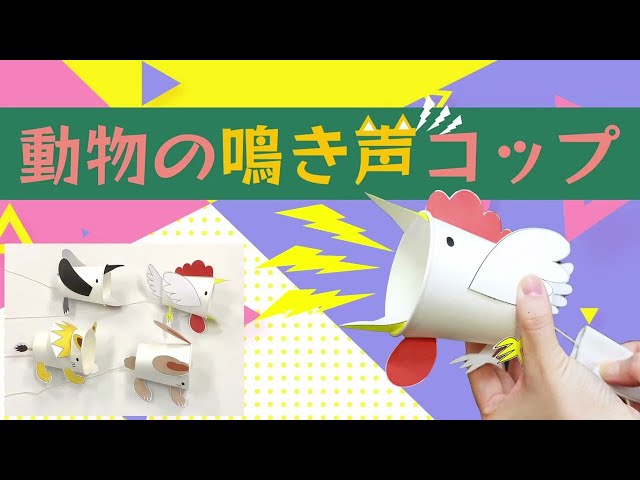
This is a simple craft where you attach a piece of twine to the bottom of a paper cup and stick on the parts of each animal.
By skillfully rubbing the twine installed at the bottom, the goal is to reproduce animal calls.
It’s important—and fun—to experiment with the material used to rub the twine and the rubbing technique to find sounds that are closer to the real thing.
It might also be interesting to modify the base paper cup to experiment with changing the resonance.
As you test different sounds, let’s discover new kinds of calls.
Galileo thermometer

A Galileo thermometer is a thermometer that can also be used as interior decor, with glass bulbs that float or sink depending on the water temperature.
How about making one yourself using a glass container and beads? The method is to float a glass container filled with beads in water kept at a constant temperature, then adjust the number of beads so that it’s just on the verge of floating.
Place several glass containers calibrated to float at different temperatures into a vessel, and it’s complete.

supercooled water

How about trying a supercooled water experiment? Fill a 500-milliliter plastic bottle about three-quarters full with water, close the cap, and chill it for about 4 to 5 hours.
During this time, chill a plate as well.
Then carefully take out the bottle without jostling it, remove the cap, and pour the water from a height onto the pre-chilled plate.
The water will instantly freeze and turn into a sherbet-like mass of ice.
You can also make it freeze instantly by shaking the bottle vigorously or by adding an ice chip.
Try various methods and think about why this happens.

Making plastic from milk

Many junior high schools are actively engaged in eco-friendly activities such as recycling and reusing.
If you’re looking for a free research project theme on the topic of eco-friendliness, a great recommendation is making plastic from milk.
By adding vinegar to milk and boiling it down, you can create plastic—and the finished plastic is biodegradable, making it a recommended eco-friendly experiment.
Torokira Keychain
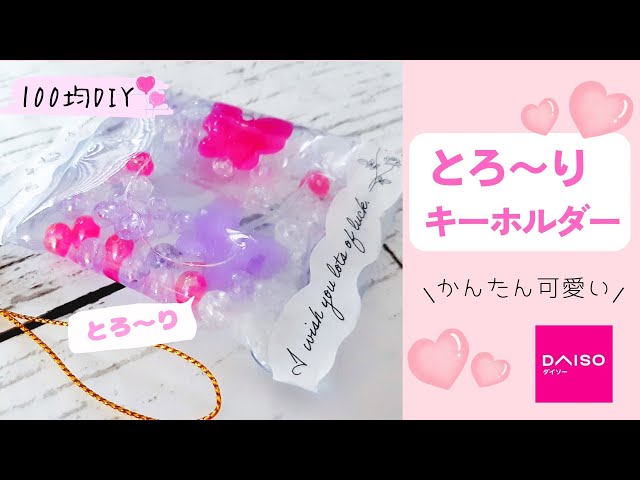
Do you know those cute accessories with a little doll floating in a tiny plastic bag? You often see them as prizes at festival raffles, but actually, you can make them yourself.
You only need items mostly from a 100-yen shop—like a soft card holder, beads and glitter, liquid laundry starch, and masking tape—so it’s a budget-friendly craft project.
Add cutouts of your favorite character or idol to the decorations, and it instantly becomes merch for your fave! You’ll want to make them for everyone!
Making a PET-bottle microscope

Microscopes are commonly used in science experiments, but they can be a bit expensive to buy for personal use.
In such cases, I recommend making a microscope using a plastic bottle.
You can easily make one with materials like a plastic bottle and glass beads, which are available at hardware stores.
For an independent research project, you could sketch what you observe with this microscope, or even make the mechanism of the microscope itself the subject of your study.