

The World of Kagoshima Folk Songs: Traditional Melodies that Carry On the Spirit of the Hometown

Folk songs and children’s songs rooted in the land of Kagoshima vividly reflect the spirit and daily life of the region.
Masterpieces that capture a range of emotions—such as the toil of land-reclamation work, the prayers and joys of islanders, and the pure romantic feelings of young people—have been passed down across generations and are still cherished today by locals and by those living away from their hometown.
In this article, we’ve gathered folk songs, children’s songs, and nursery rhymes brimming with love for Kagoshima.
Please enjoy the moving world of Kagoshima’s folk music.
- [Songs of Kagoshima] The heart of our hometown carried on in song | A curated selection of classic tracks that embody Kagoshima
- Folk songs, children’s songs, and nursery rhymes of Kumamoto: the enduring spirit of our hometown passed down through song.
- Japanese counting songs: nostalgic temari (handball) songs and children’s folk songs
- Folk songs, children's songs, and nursery rhymes of Hiroshima: the enduring heart of our hometown, passed down through song.
- Folk songs, children's songs, and nursery rhymes of Nagasaki: the heart of the hometown passed down through song
- Okinawan folk songs, children’s songs, and nursery rhymes: the heart of our hometown passed down through song.
- Fukuoka’s folk songs and children’s rhymes: History and sentiments conveyed by the nostalgic melodies of home
- A collection of classic nursery rhymes and hand-play songs for September! Enjoy autumn with your child through songs.
- December children's songs, folk songs, and nursery rhymes: fun winter hand-play songs
- Children’s Songs You Can Sing in August: Summer-Friendly Kids’ Songs and Fingerplay Rhymes
- Folksongs, children's songs, and nursery rhymes of Fukushima: the heart of our hometown passed down in song
- [Folk Songs of Yamagata] The Heart of Our Hometown Passed Down in Song: Feelings Woven into Nostalgic Melodies
- Folk songs, children's songs, and nursery rhymes of Iwate: the heart of the hometown passed down through song
The World of Kagoshima Folk Songs: Traditional Melodies Passing Down the Heart of Our Homeland (11–20)
Tropical Love Story
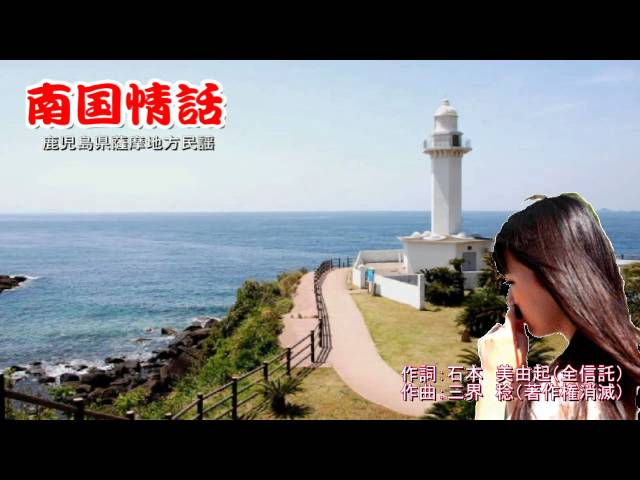
A song that vividly evokes warm southern scenes and the pure love nurtured there.
The duet’s playful back-and-forth in love blends with a wistful melody and the distinctive inflections of folk singing, gently enveloping the listener’s heart.
Depicting the tender yet bittersweet romance between a deep-sea sailor and a woman from Satsuma, the piece was originally released in 1957, sung by Akira Wakayama and Yoshiko Nozawa, and later covered by the Komadori Sisters in 1963.
Frequently featured in films and radio programs, it also helped convey the charms of the region.
It is said to be beloved as a local song sung by bus guides during sightseeing in Kagoshima.
Full Moon Night Tug-of-Warwarabeuta
A soul-stirring traditional song that conveys the passion of Southern Satsuma and the bonds of its people to this day.
Cherished since old times as a children’s song, this melody is indispensable to the tug-of-war held on the night of the fifteenth day of the eighth month in the lunar calendar.
Gratitude to the moon, prayers for a bountiful harvest, and children’s innocent joy resonate in simple words and powerful calls and responses.
The events in Southern Satsuma adorned by this traditional song are designated as an Important Intangible Folk Cultural Property of Japan.
Experience its lively rhythms and antiphonal chants, and your heart is sure to dance.
Highly recommended for those who wish to immerse themselves in Japan’s rich folk culture.
Kuninao Yone Ane-bushiShimauta

A single track that sinks deep into the heart, evoking the beautiful seas and greenery of Amami.
It richly sings, to the sound of the sanshin, the tale of the beautiful sisters known as “Kome-nee,” said to have once truly lived there.
For those who listen, it may gently bring to mind the landscapes of a distant homeland and the warm feelings of the people who live there.
Carefully handed down by artists such as Takashige Nakama and Minami Kizuki, this work is one to savor when you feel nostalgic for home or want to immerse yourself in the island’s unhurried flow of time.
Watasya BushiShimauta
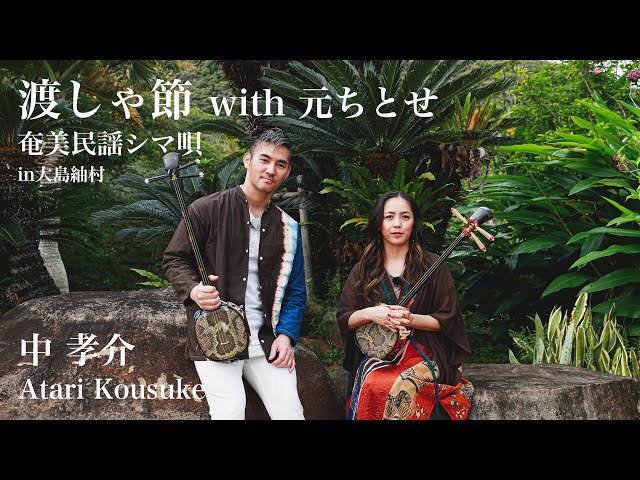
A traditional island song that vividly evokes a sea voyage around the Amami Islands.
With a lively yet wistful melody, it sings of the feelings of those who travel by boat from island to island—partings, longing, and love.
Revitalized by a new generation of artists, including collaborations between Chitose Hajime and Kousuke Atari and remixes by Ryuichi Sakamoto, its allure continues to reach contemporary audiences.
Adopted by Kagoshima Prefecture’s cultural preservation initiatives, it is cherished and carefully protected by local communities.
When you want to experience heartwarming island music, why not take the time to listen closely?
Canned SongShimauta

A beautiful melodic phrasing of the island language, sung at a relaxed tempo, paints scenes of the homeland as if unfolding before your eyes—this is the island song.
In addition to being performed by artists who carry on the island-song tradition, it is often featured in programs that showcase local festivals and culture, and has taken root as a piece that conveys the allure of Amami.
For those living away from home who wish to feel the island breeze, or for anyone seeking to experience the profound depth of traditional Japanese music, it offers a soothing moment of peace.
Kushinoki SanosaSeikou

It is said that in the Meiji era, when fishermen from Kushinoki went out to fish off the coast of Korea, they sang while thinking of their hometown.
The Sanosa-bushi originated in Goto, Nagasaki Prefecture, but fishing on sailing ships in those days was a life-risking endeavor, and many boats reportedly never made it back.
The fishermen’s longing for home turned into a folk song tinged with sorrow, and it is said that there are over 120 verses to the lyrics.
The World of Kagoshima Folk Songs: Traditional Melodies Carrying on the Spirit of the Hometown (21–30)
Kagoshima Ohara-bushiMori Masako

Among Kagoshima’s folk songs, the Ohara-bushi is a representative piece whose light rhythm and accompanying dance are beloved by the prefecture’s residents.
The song is said to have originated in the early Edo period, but it is believed that the original “Yasuhisa-bushi” from Yasuhisa-cho in today’s Miyakonojo City, Miyazaki Prefecture, was passed down from Harara Village near Kagoshima.
Many singers have covered this song, including Teruhiko Saigo, Akira Kobayashi, and Masako Mori.