


Folk songs and children’s songs rooted in the land of Kagoshima vividly reflect the spirit and daily life of the region.
Masterpieces that capture a range of emotions—such as the toil of land-reclamation work, the prayers and joys of islanders, and the pure romantic feelings of young people—have been passed down across generations and are still cherished today by locals and by those living away from their hometown.
In this article, we’ve gathered folk songs, children’s songs, and nursery rhymes brimming with love for Kagoshima.
Please enjoy the moving world of Kagoshima’s folk music.
- [Songs of Kagoshima] The heart of our hometown carried on in song | A curated selection of classic tracks that embody Kagoshima
- Folk songs, children’s songs, and nursery rhymes of Kumamoto: the enduring spirit of our hometown passed down through song.
- Japanese counting songs: nostalgic temari (handball) songs and children’s folk songs
- Folk songs, children's songs, and nursery rhymes of Hiroshima: the enduring heart of our hometown, passed down through song.
- Folk songs, children's songs, and nursery rhymes of Nagasaki: the heart of the hometown passed down through song
- Okinawan folk songs, children’s songs, and nursery rhymes: the heart of our hometown passed down through song.
- Fukuoka’s folk songs and children’s rhymes: History and sentiments conveyed by the nostalgic melodies of home
- A collection of classic nursery rhymes and hand-play songs for September! Enjoy autumn with your child through songs.
- December children's songs, folk songs, and nursery rhymes: fun winter hand-play songs
- Children’s Songs You Can Sing in August: Summer-Friendly Kids’ Songs and Fingerplay Rhymes
- Folksongs, children's songs, and nursery rhymes of Fukushima: the heart of our hometown passed down in song
- [Folk Songs of Yamagata] The Heart of Our Hometown Passed Down in Song: Feelings Woven into Nostalgic Melodies
- Folk songs, children's songs, and nursery rhymes of Iwate: the heart of the hometown passed down through song
The World of Kagoshima Folk Songs: Traditional Melodies Passing Down the Heart of the Homeland (1–10)
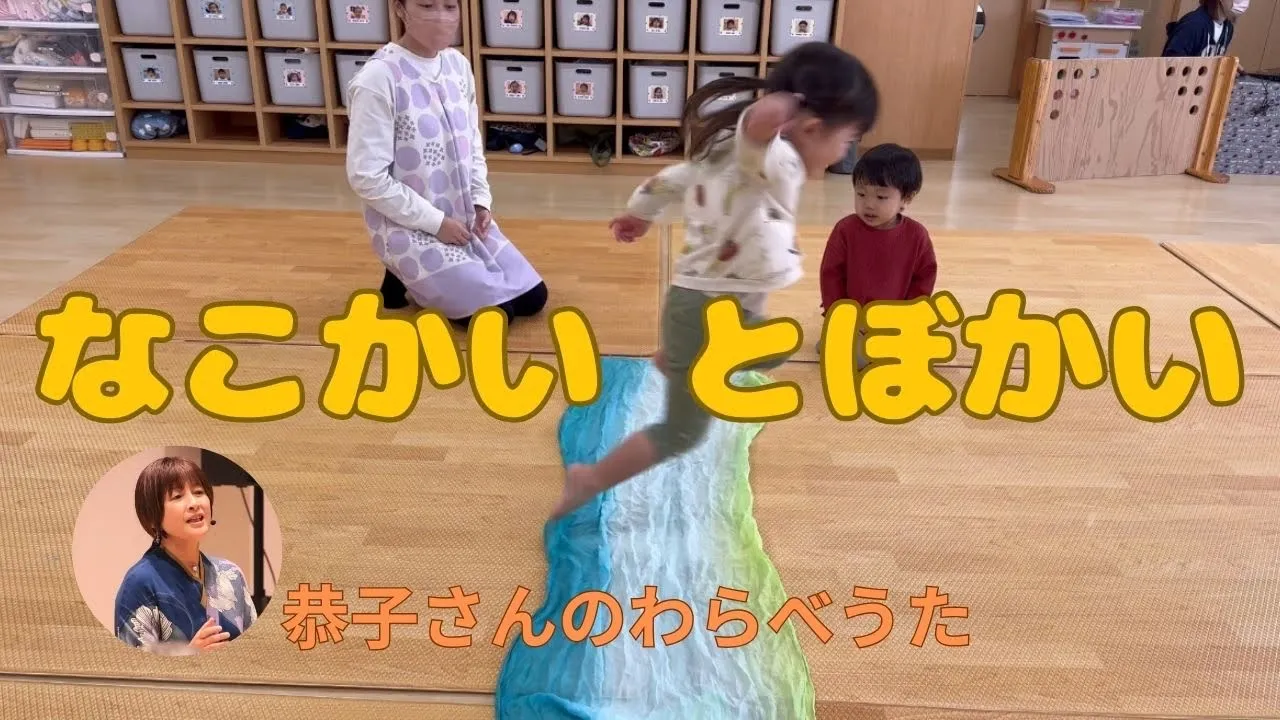
Nakokai Tobokaiwarabeuta

“Come on—if you’ve got time to cry, why not take the plunge and jump!” This lively children’s song brims with the straight-from-the-heart spirit of Satsuma.
In the Edo period, children of the Satsuma domain would hum it in their daily play, nurturing the proactive attitude needed to face hardships—truly a song that embodies the powerful message: “Act first.” Its rhythmic back-and-forth of words alone is enough to make your heart skip with excitement.
Don’t you think it could give you courage when you’re about to take a new step—or when you feel your spirits starting to waver?
Under Yuuna’s treewarabeuta

A gentle lullaby with the charm of a melody that feels like the calm breeze of a southern island.
Wind chimes resonate pleasantly in the shade of the yuna tree, and the deep love of a parent soothing a sleeping baby is sung in an unhurried tune.
Even the sound of the words “rin-rira-rin” gently wraps listeners in a sense of comfort.
Cherished and passed down since long ago across the islands of Kagoshima, this piece continues to be valued as part of local culture—appearing, for example, as material in a community theater production by the Tokunoshima Mixed Chorus.
Why not try singing it during those moments of lulling a little one to sleep?
Chest! Ohara

An energetic performance piece where the powerful shouts of young people intertwine with traditional Kagoshima melodies.
Its appeal lies in reviving the spirit of the local community—passed down across generations—with a contemporary sensibility.
Presented and beloved at the Shibuya Kagoshima Ohara Festival, this work has been a staple of the event since around 2011, moving audiences as part of regional revitalization efforts in collaboration with Shibuya City and Kagoshima Prefecture.
It’s a must-listen for anyone who wants to feel the festival’s vibrancy and the passionate devotion of those who love their hometown.
Satsuma Ondo

This is a song whose melody, filled with nostalgia and warmth, resonates in the heart.
The way it shifts from a relaxed tempo to lively festival music conjures vivid images of a celebration.
Passed down by many folk singers who have carried on Kagoshima’s songs, it became widely known from the late 1940s to around 1950, and is still loved today at festivals across Japan, including Kagoshima City’s Ohara Festival.
When you think of your hometown, or when you feel drawn to Kagoshima’s culture, this will surely become a special song for you.
The Chawanmushi Songogojōzu
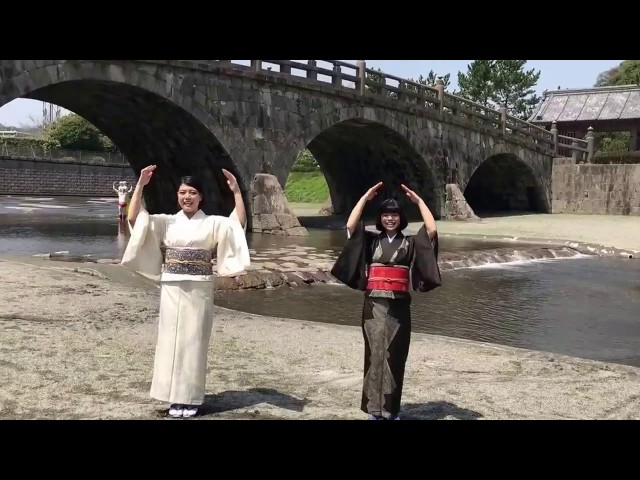
This is a song that everyone from Kagoshima Prefecture is said to know.
Long ago, when a customer entered a shop and ordered chawanmushi, the clerk and the owner didn’t know the dish.
The owner questioned the clerk, thinking there might have been bugs on the rice bowls, and the clerk supposedly replied that they washed them three times a day.
It’s a comical piece that turns that story into a song.
Although it can sound like a children’s song, it is also presented as a folk song.
Yo-isura BushiShimauta

A powerful melody that shakes the soul of Amami and resonates deep in the heart.
This song is a traditional island chant based on the belief in the Onari-gami—protective spirits dwelling in sisters who watch over their brothers and men who go to sea—and it is cherished not only in Amami but also in Okinawa.
Passed down by renowned island-song vocalists such as Chitose Hajime, many of you have likely heard it before.
Its warm atmosphere, lyrics, and vocals convey fervent feelings for one’s homeland, daily gratitude, and hope for the future.
When you think of Kagoshima, or when your thoughts drift to a faraway hometown, this song will gently wrap around you.
Shunryō main clauseShimauta
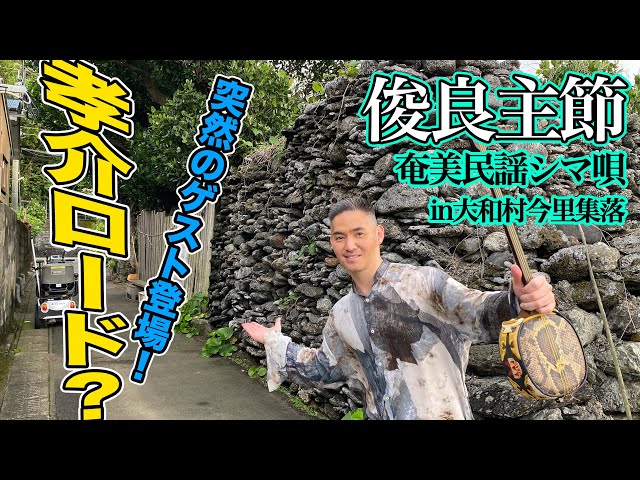
A renowned song with a heart-stirring melody nurtured by the climate of Amami.
It originally expressed passionate love, but after a local legislator’s wife was swept away by the tide in the Meiji era, it came to be sung with deep mourning and consolation.
Sung and recorded by various artists, including Takashi Nakagawa (Atsushi Nakatsuka) [note: Nakagawa Atsushi? If referring to Kousuke Atari, use: by Kousuke Atari], this piece offers a gentle tune that will comfort you when remembering someone dear or when you wish to feel the warmth of your homeland.