


Quiz time with children at nursery schools and kindergartens can be lots of fun.
If you choose horses—a familiar animal—as the theme, it will spark their curiosity.
The world of horses is full of surprises: they can sleep standing up, they start walking right after they’re born, and they have a field of vision of 270 degrees.
Here, we’ve gathered quiz ideas about horses’ bodies and lifestyles.
From how they communicate their feelings through ear movements to the fascinating way you can tell their age by their teeth, these are all topics that will make children’s eyes light up with “Wow!” Please try incorporating them into your childcare activities.
- Fun to make in childcare! A special feature of horse craft ideas
- [Childcare] True-or-False Quiz Questions for Kids! A Collection of Fun, Playful Learning Ideas
- [Childcare] Animal quiz for toddlers! Let’s all give it a try together.
- [Childcare] I want to have fun with the kids! Sample Questions for a Me Quiz
- [Childcare] Spring Quiz Collection | Fun for Adults and Kids Alike
- [Childcare] A Collection of Tricky Quizzes That Kids Will Love
- [Childcare] Summer Quiz Activities for Kids | Deepen Their Learning
- For toddlers and elementary schoolers! Fun quizzes and riddles to enjoy at a daycare farewell party
- [Early Childhood Education] Mysterious! A collection of fish quizzes that will excite kids
- Popular quizzes at daycares and kindergartens. Perfect ideas for performances/activities.
- Make childcare more fun with winter quizzes! Seasonal ideas to get kids excited
- [Childcare] A guaranteed trick quiz for toddlers! Let’s think together with the kids.
- [Preschool/Childcare] Let's have fun together! A three-choice animal quiz
Excitement in Childcare! A Fun and Educational Horse-Themed Quiz Collection (1–10)
How wide an area can horses see?
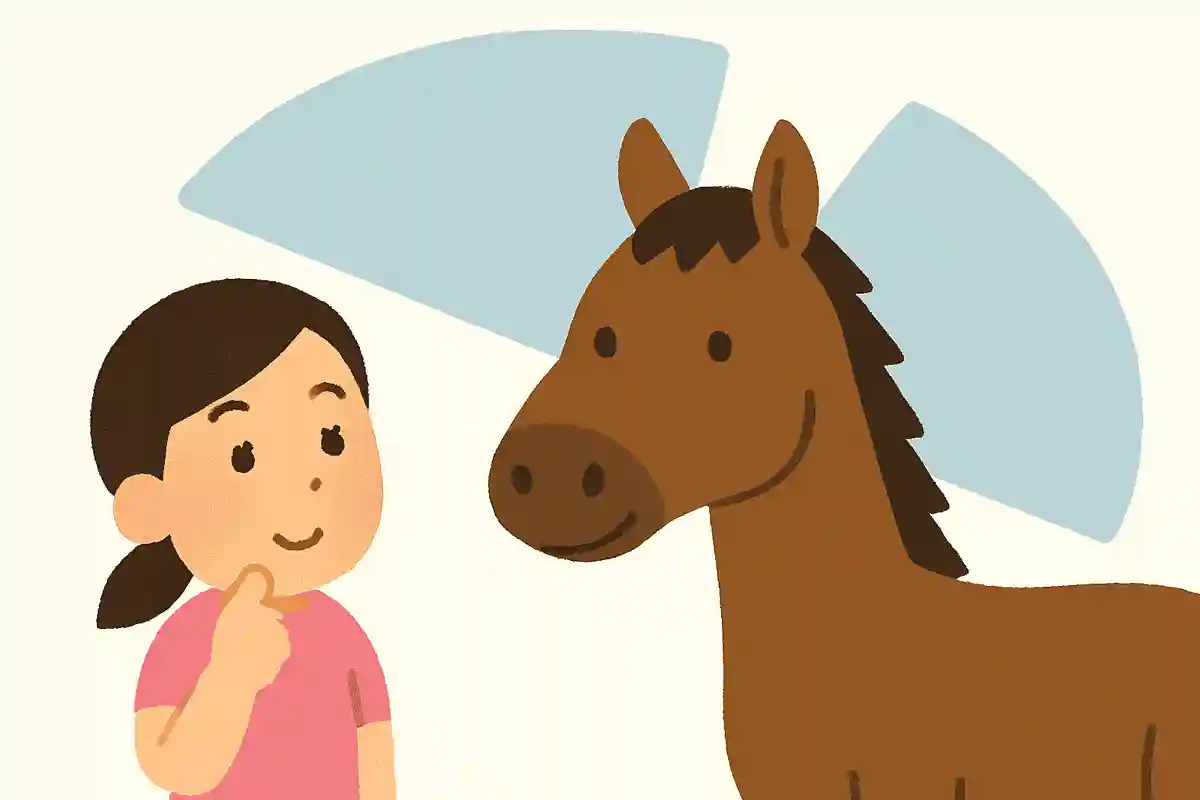
- 60 degrees
- 270 degrees
- 180 degrees
Horses have large eyes on both sides of their heads and can see almost everything except directly behind them, with a field of view of about 270 degrees. However, they have difficulty seeing directly in front and directly behind, so you should be careful when approaching them.

It’s said that you can roughly tell a horse’s age by looking at its teeth. Why is that?

- Because the shape of teeth and the way they wear down change with age.
- Because the color of teeth changes with age.
- Because the number of teeth increases with age
See the answer
Because the shape of teeth and the way they wear down change with age.
A horse’s teeth change in shape and wear as it ages. By observing their condition, veterinarians and other specialists can estimate a horse’s approximate age. Therefore, just like humans, tooth brushing and dental care are very important for a horse’s health.
What function do a horse’s ears serve?

- can hear the sound
- cool the body
- to swish like a tail and shoo away insects
See the answer
can hear the sound
A horse’s ears are there to collect and hear sounds. They can also sense what’s happening around them through ear movements and communicate their feelings to other horses and people. If the ears are pinned back, it can be a sign of alertness or displeasure, so for safety, it’s a good idea to pay attention to the direction of the ears.
About how many bones are there in a horse’s body?
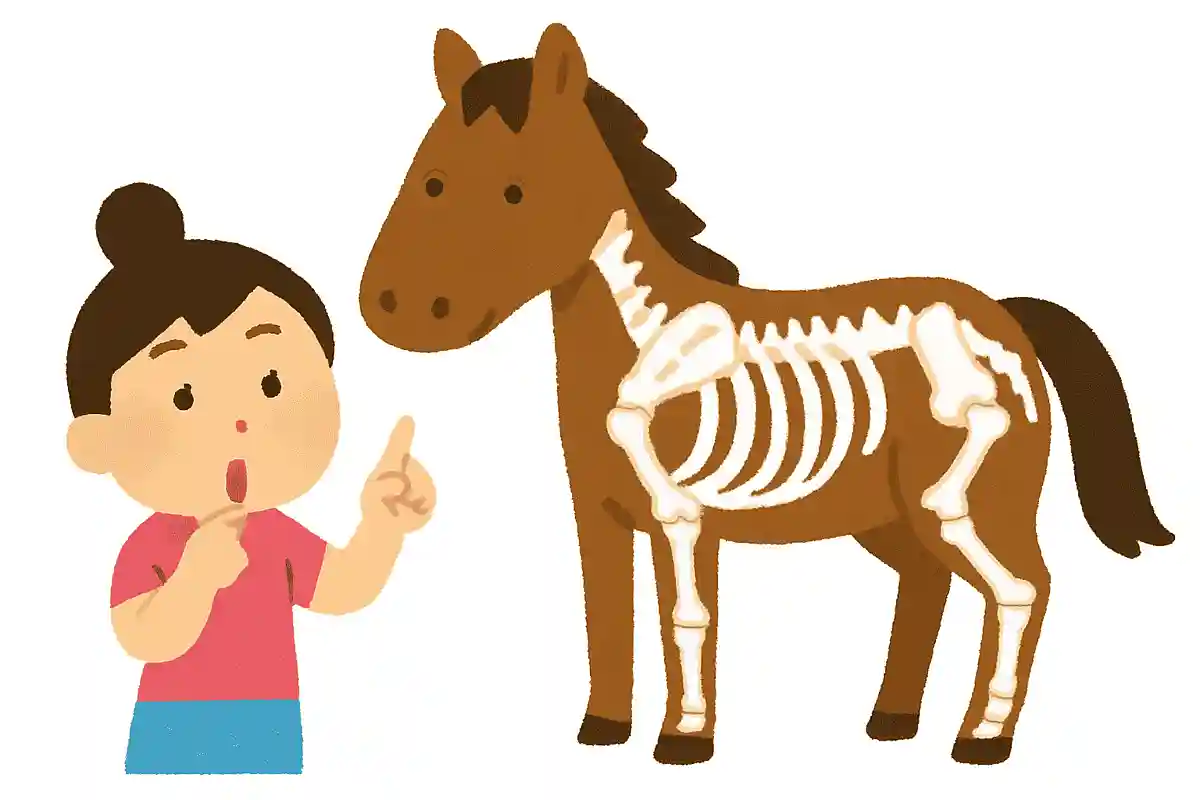
- 100
- 200
- 300
See the answer
200 pieces
A horse’s body has about 205 bones. That’s close to the number humans have, but because their structure is different, it contributes to the horse’s flexibility and speed.
How long does it take for a newborn foal to stand up and start walking?

- within about 30 minutes
- about 3 hours
- about one day
See the answer
within about 30 minutes
Foals have the ability to stand up shortly after birth to protect themselves from predators. This helps them survive in the wild. In many cases, they begin to stand and walk within 30 minutes of being born. They’re very strong right from birth.
About how long is a horse’s lifespan?

- about five years
- about 10 years
- about 25 years
See the answer
about 25 years
A horse’s lifespan is generally considered to be around 25 years. Horses tend to have shorter lifespans than we humans do. Some horses live more than 30 years. There are even records of horses living past 60, but that’s very rare.
What do horses eat?
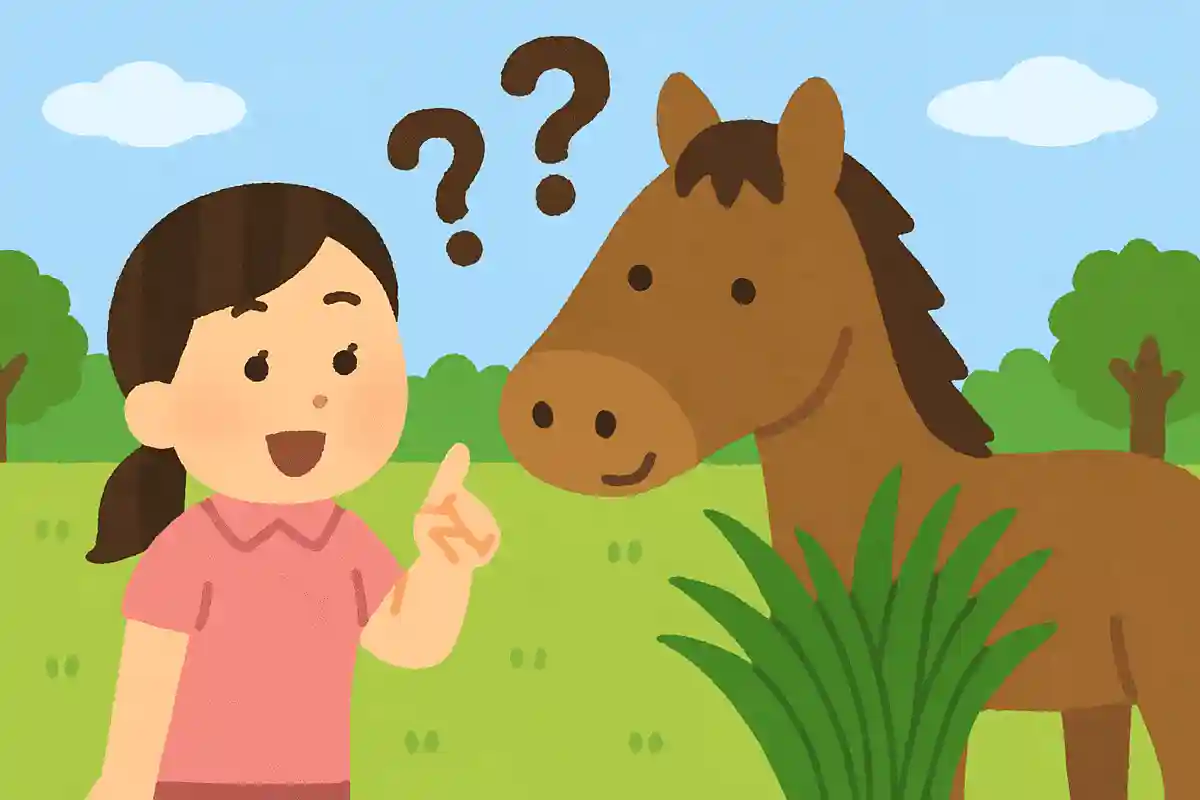
- meat
- lol
- fish
See the answer
lol
Because horses are herbivores, they mainly live on grass and hay. Whether in the wild or on a farm, they primarily eat grass and hay, and this is closely related to how their digestion works.