

Recommended musical instruments for children's lessons

If you’re a parent with a young child, you probably want them to develop at least one thing they’re really good at, right?
The first things that come to mind are often instruments like the piano or violin.
But there are actually far more unique instruments out there.
We’ve picked out a variety of instruments, so be sure to check them out!
- How can you help a child develop perfect pitch?
- Actually, it’s packed with the basics of playing instruments. Let’s play with educational castanets!
- Eurhythmics to help you internalize musical notes. Let’s play with chestnuts and fallen leaves!
- [Make Music Education More Fun] The Appeal of Eurhythmics, Where You Can See Children’s Growth
- 5 Things to Keep in Mind Before a Child’s Piano Recital
- By Age: Enjoy Music with Instrument Play! Plus DIY Instrument Ideas
- Handmade Instruments for Preschoolers | Instruments You Can Make Together with Your Child
- Recommended digital pianos for active childcare workers and those aspiring to become childcare workers
- Recommended songs for eurhythmics. Let's enjoy music using our bodies!
- Play equipment that delights children. Toys and play tools that can be enjoyed from early childhood.
- Kids will love it! A collection of dance song ideas with easy-to-follow rhythms
- At what age should you start learning the piano?
- Children's costumes that make you want to imitate at a recital
Recommended instruments for children's extracurricular lessons (21–30)
ocarina

The ocarina, whose name means “little goose” in Italian, is a clay instrument known for its rustic, mellow tone.
Its fingering is similar to that of the recorder and is relatively easy, and since it comes in various sizes, even children with small hands can play it.
You can also play in an ensemble with ocarinas, allowing you to experience playing with others and enriching your musical experience.

cajón

A cajón with snare wires stretched inside a box changes its tone depending on where and how you strike it, making it an instrument that can serve like a drum set or percussion on its own.
It’s often affordable and can even be handmade.
You can play rhythm patterns using only the cajón, or play it like a drum set along with backing tracks.
It’s also recommended for those who feel that overly heavy, hard-edged music isn’t quite their style.
djembe

A djembe is, roughly speaking, an African drum.
It’s an instrument whose tension and pitch can be adjusted by tightening the ropes laced around it.
Even if you don’t know the name, you’ve probably seen one at least once.
While the djembe is strongly associated with Afro and Latin music, it actually pairs very well with rock and jazz too.
didgeridoo

A wind instrument of Australia’s Indigenous Aboriginal people.
Take a look at this video of it being played.
You might think you put the end of the tube to your lips and just blow… but that’s a big mistake! Rather than producing sound by blowing like a flute, the sound actually comes from vibrating the lips.
It’s what’s commonly called a lip roll.
On top of that, players use a challenging technique known as circular breathing.
Adults might feel a bit intimidated listening to it, but kids who love to play and experiment would likely enjoy giving it a try!
trombone
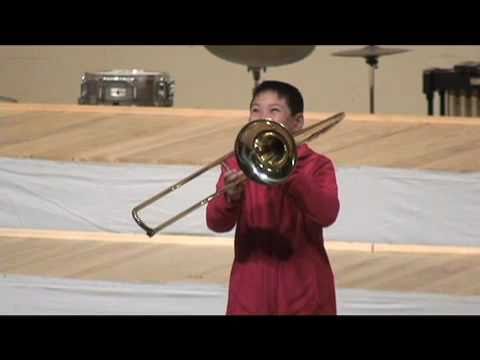
The trombone is an instrument that produces various pitches by moving the slide to change the length of the tubing.
A standard trombone is somewhat large, which can make it difficult for small children, but smaller trombones are now available.
They’re recommended for children who might want to join a concert band or orchestra in the future.

gagaku (Japanese court music)
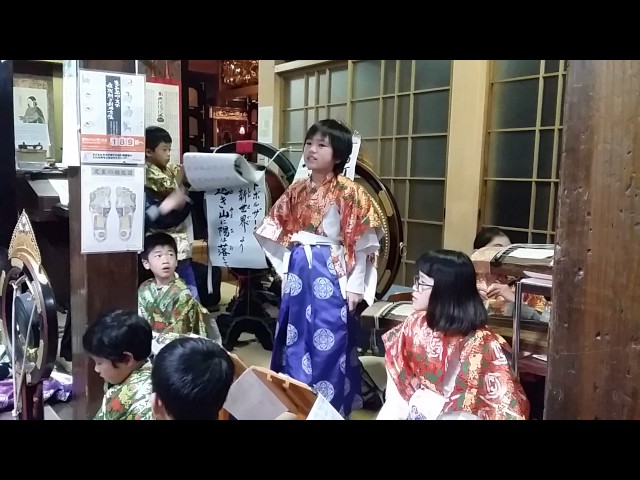
Gagaku is said to be one of the traditional forms of music that came to full bloom in Japan after passing through China and the Korean Peninsula.
It may be rare for children to encounter such traditional music, but there is no doubt it can be a valuable experience.
Some temples and shrines recruit child members for gagaku ensembles, so why not consider visiting one to observe?
Glockenspiel

In Japanese, it’s called a tetsukin (glockenspiel).
You play melodies by striking metal bars with small mallets.
It’s a common instrument in marching bands, too.
Since the bars are arranged like a piano keyboard, even young children can pick it up easily.
That said, kids really do love hitting things with anything long, don’t they?