


If you’re a parent with a young child, you probably want them to develop at least one thing they’re really good at, right?
The first things that come to mind are often instruments like the piano or violin.
But there are actually far more unique instruments out there.
We’ve picked out a variety of instruments, so be sure to check them out!
- How can you help a child develop perfect pitch?
- Actually, it’s packed with the basics of playing instruments. Let’s play with educational castanets!
- Eurhythmics to help you internalize musical notes. Let’s play with chestnuts and fallen leaves!
- [Make Music Education More Fun] The Appeal of Eurhythmics, Where You Can See Children’s Growth
- 5 Things to Keep in Mind Before a Child’s Piano Recital
- By Age: Enjoy Music with Instrument Play! Plus DIY Instrument Ideas
- Handmade Instruments for Preschoolers | Instruments You Can Make Together with Your Child
- Recommended digital pianos for active childcare workers and those aspiring to become childcare workers
- Recommended songs for eurhythmics. Let's enjoy music using our bodies!
- Play equipment that delights children. Toys and play tools that can be enjoyed from early childhood.
- Kids will love it! A collection of dance song ideas with easy-to-follow rhythms
- At what age should you start learning the piano?
- Children's costumes that make you want to imitate at a recital
Recommended musical instruments for children's lessons (1–10)
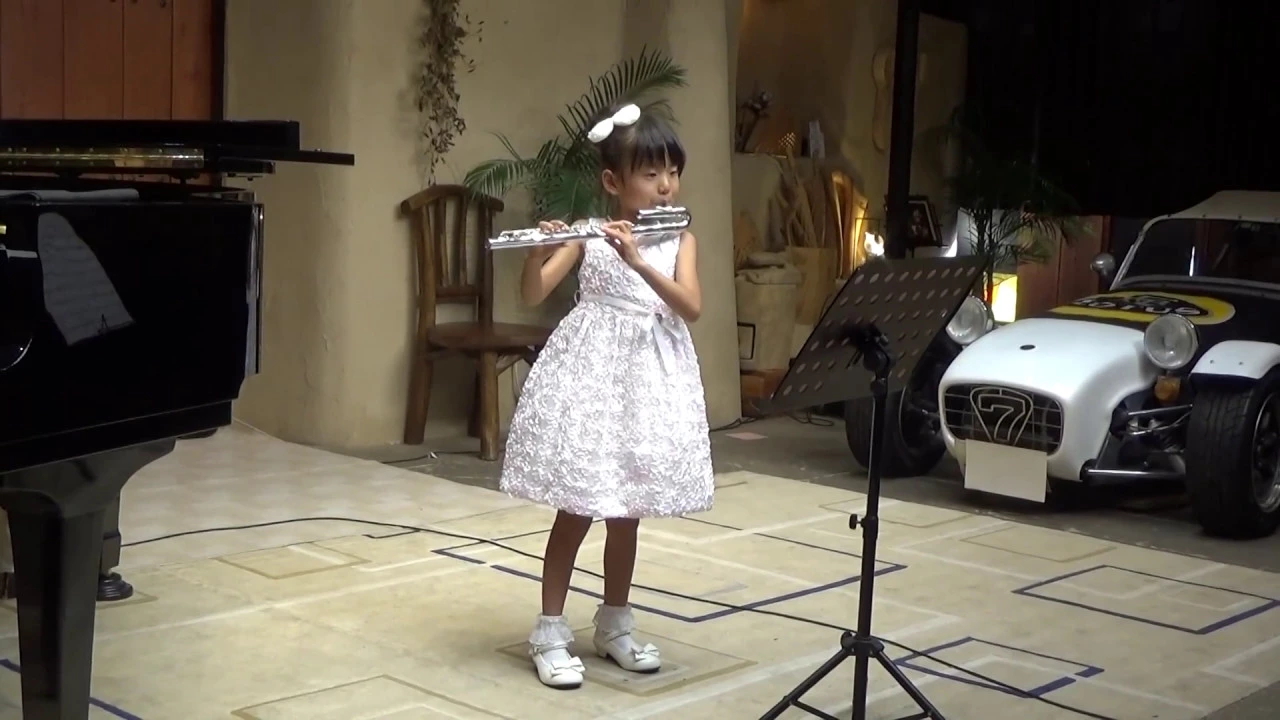
flute

In orchestras and wind ensembles, the flute is known as a star instrument.
Although it’s silver in appearance and made of metal, it’s actually a woodwind instrument.
It takes hard work to produce a beautiful tone, but it’s fun to play solo as well.
Since it requires lung capacity, it might even help you maintain your health.

electric guitar
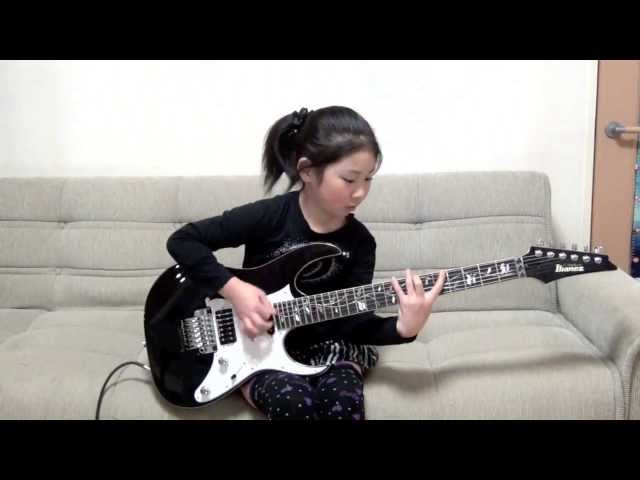
When it comes to cool instruments, the electric guitar is definitely the one.
These days, there are lots of cases where very young children master incredibly difficult pieces and become a hot topic on TV and elsewhere.
Like the piano, the guitar can produce multiple notes at the same time, so it’s perfect for training your ear.
acoustic guitar

The acoustic guitar is a great choice for children’s lessons because they can practice anywhere as long as they have the instrument.
Since it doesn’t produce an overwhelmingly loud sound, they can practice indoors, too.
Also, if you use songs children like as practice pieces, it can motivate them to learn chords and fingerings.
There are many schools for kids, so it’s easy to find a convenient class—that’s another plus.
Your child might even say, “I want to be able to play that song!” It would be wonderful if they can enjoy learning.

Electone

The Electone, a popular keyboard instrument that lets you enjoy ensemble playing all by yourself, involves chords and bass lines, so some say it helps you become more knowledgeable about chords than the piano and offers a shortcut to popular music.
You can also change the timbre in many ways, letting you feel like you’re playing an orchestra.
Many of the practice pieces are approachable and pop-styled.

trumpet

If you want an instrument with a bright, cool sound, the trumpet is my top recommendation.
It’s used not only in classical music but also widely in wind ensembles, jazz, and pop.
These days there are inexpensive beginner models available, so why not give it a try?
Classical guitar

When people think of classical guitar, they often picture adults playing pieces like “Romance (Forbidden Games),” but in fact it can be played from around age three, and there are guitars made for young children.
It also helps develop a sense of chords, and because a classical guitar lets you experience the instrument’s natural sound resonating directly, it may be an excellent first instrument to get acquainted with.
piano

After all, when it comes to the classic choice for children’s extracurriculars, it has to be piano.
It not only develops a sense of pitch, but becoming familiar with classical music from a young age teaches the importance of structure and melody, which undoubtedly forms the foundation of all music.
Recitals that make both parent and child’s hearts race are something to look forward to as well.
Basically, daily practice is required.