

[Childcare] Let's come up with SDG-related quizzes with the children

The SDGs, composed of 17 goals, were proposed in September 2015.
There are likely preschools and childcare centers where children are encouraged to think about the goals and try what they can do.
Each of the 17 goals has its own background, and many of them relate to issues that are familiar to children.
This time, we’ve gathered quizzes related to the SDGs.
We definitely want to share with the children—who will live in the future—what the world is like and what problems it faces.
Let’s deepen our understanding of the SDGs by learning together through quizzes.
- [Childcare] Ideas for learning about the SDGs through play
- [Learn with a Quiz] Quiz Questions about the SDGs
- [Get Excited!] True or False Quiz You Can Enjoy at a Daycare!
- [Childcare] Quiz collection to enjoy in December!
- [Childcare] I want to have fun with the kids! Sample Questions for a Me Quiz
- [Childcare] True-or-False Quiz Questions for Kids! A Collection of Fun, Playful Learning Ideas
- [Childcare] A guaranteed trick quiz for toddlers! Let’s think together with the kids.
- Simple! A quiz for kids. Let’s develop their thinking skills!
- Have fun in childcare! Today’s recommended quizzes and riddles
- [Childcare] Fun quiz collection to enjoy in November!
- [Quiz] Recommended Quiz Selection for Preschoolers (Year-R Class)
- [For Elementary School Students] Learn about the SDGs by Answering Quizzes!
- Fun in September! Exciting Preschool Quiz Collection
[Childcare] Let's Create SDGs-Related Quizzes with the Children (1–10)
In the SDGs, what level is considered “extreme poverty (having no money)?”
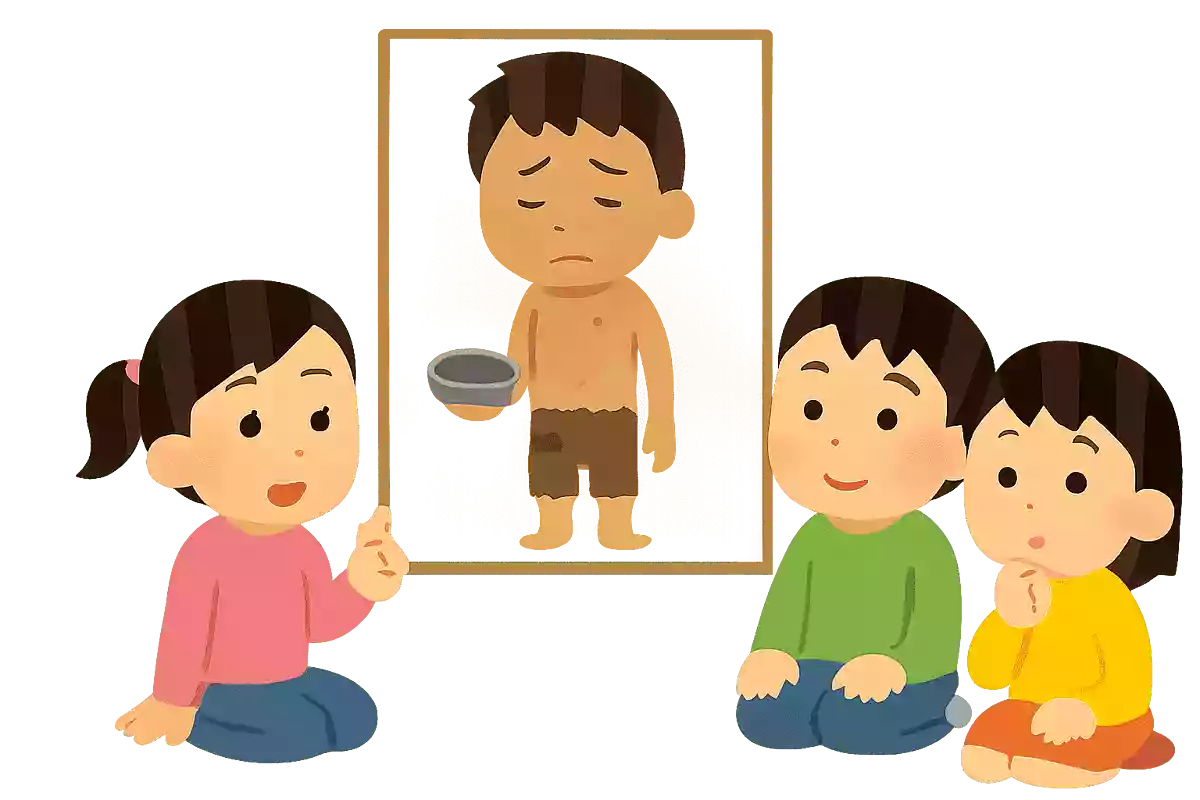
- 100 yen (one loaf of bread) is the amount of money you can use in a day.
- 500 yen available to spend per day (one bento)
- Money you can spend in one day: 1,000 yen (one meal at a restaurant)
See the answer
100 yen available to spend per day
If you can only spend 100 yen a day, you might be able to buy bread, but you won’t be able to buy things like clothes or soap. It would also be difficult to prepare the money to buy a house or to go to school.

How many people in the world are unable to use the Internet?
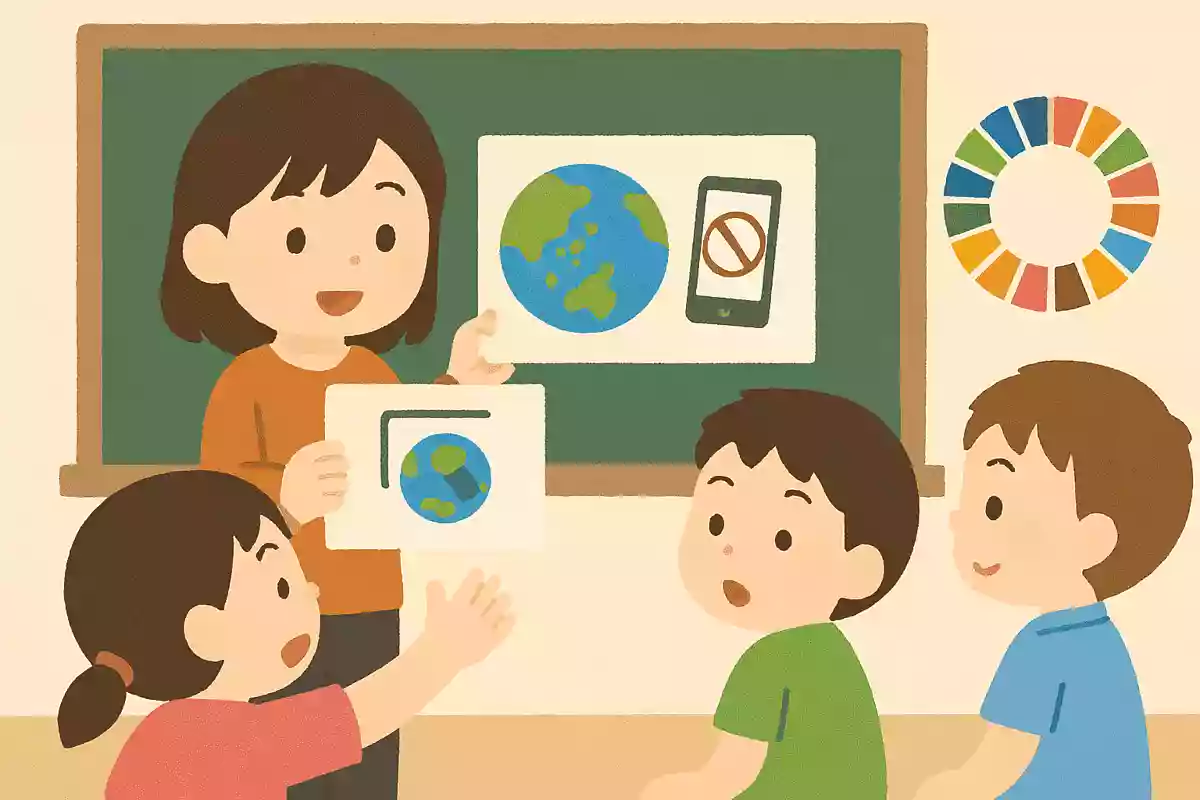
- About 100 million (roughly the same as Japan)
- About 13 million (roughly the same as Tokyo)
- About 2.7 billion people (about 27 times Japan)
See the answer
About 2.7 billion people (about 27 times Japan)
In environments without internet access, people may be limited to jobs such as farming or fishing, and they may not be able to receive adequate welfare services. Let’s think with children about what inconveniences arise when the internet isn’t available.
How much food is made only to be thrown away?
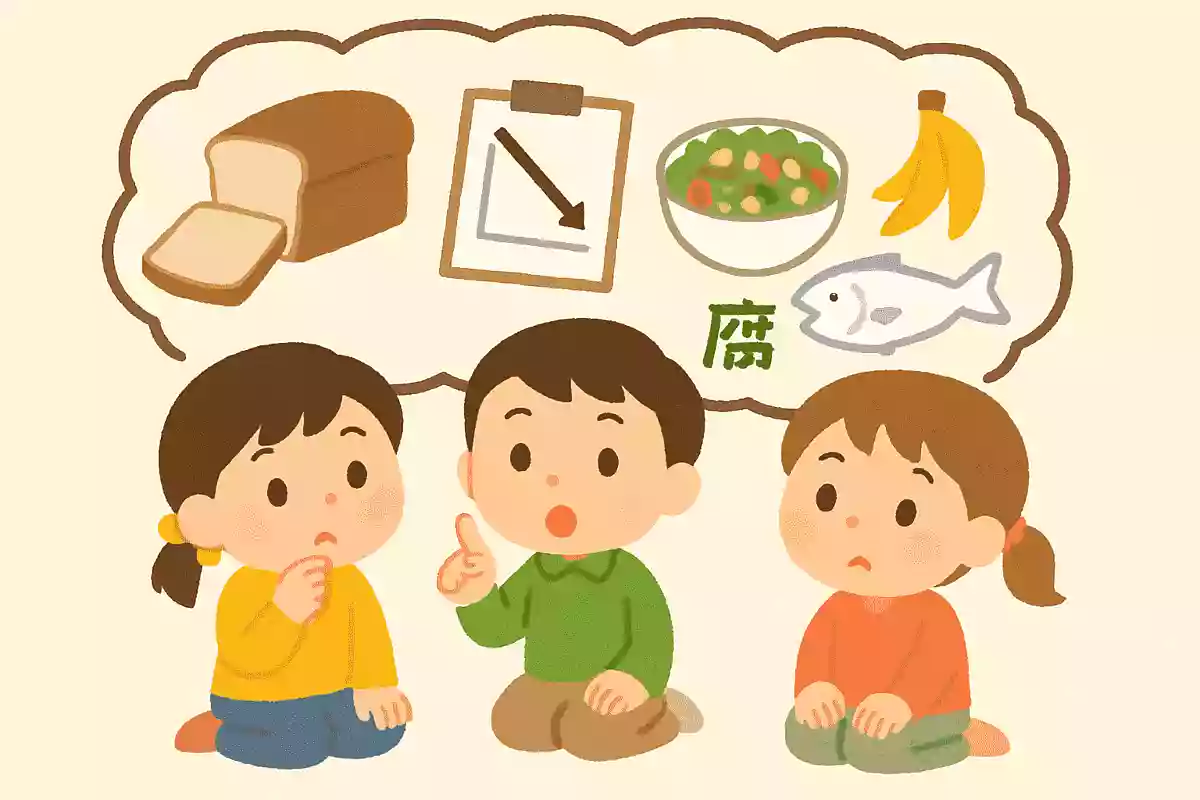
- 1 out of these 3
- 2 out of these 3
- All three of them
See the answer
1 out of these 3
It may seem like a small amount, but that adds up to a third of all the school lunches being thrown away. We want to explain this to the children in a way that’s easy for them to understand.
[Childcare] Let’s think about SDGs-related quizzes with the children (11–20)
One in five children in the world dies due to violence. What exactly is violence?
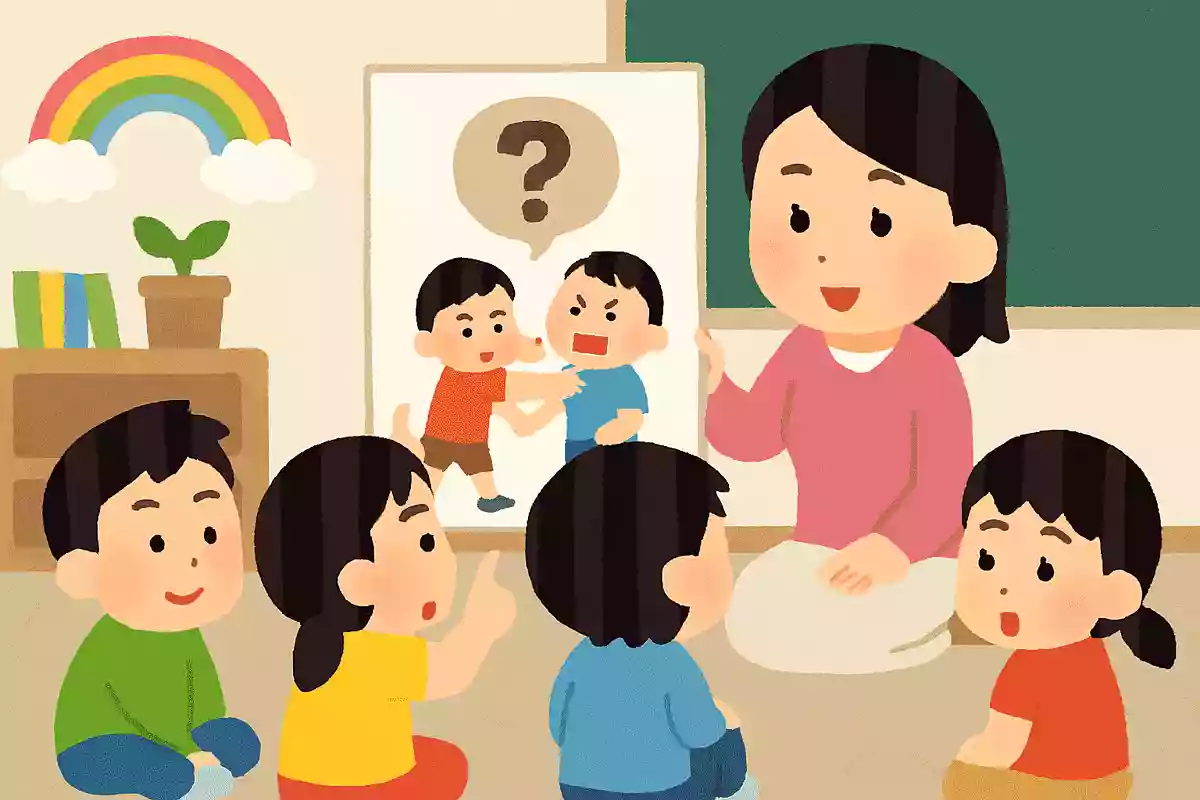
- Do painful things like hitting and kicking.
- Do not let them eat.
- Make someone work for cheap
See the answer
All
In some parts of the world, there are children who work in unsafe environments or suffer from violence. Why not think together about what kinds of actions are considered violence?
There are children in the world who want to go to school but cannot. Why is that?
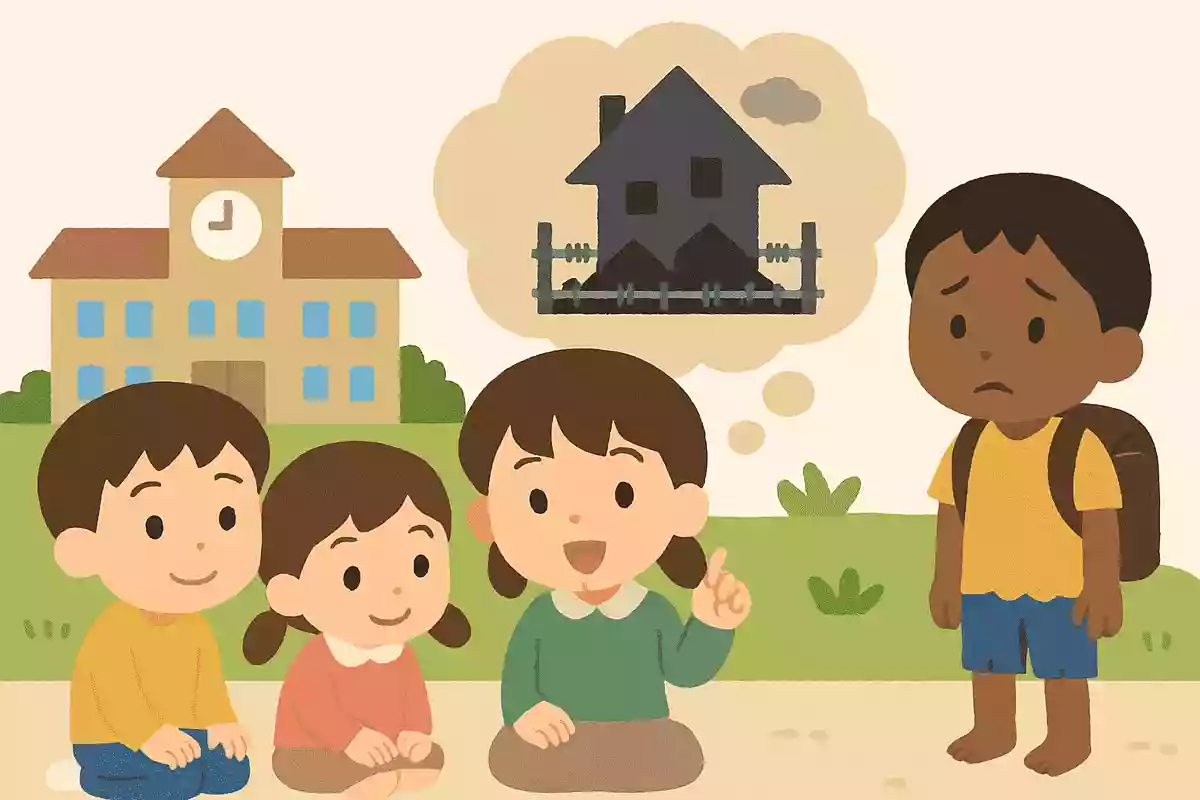
- Because I’m working.
- Because I’m doing things like laundry and cleaning.
- Because the school is not safe
See the answer
All
In the world, there are children who work to support their families and children who help with household chores. In some cases, schools are not safe due to reasons such as conflict and violence, and there are children who cannot attend school for various reasons.
In poor countries, even children work. Why is that?
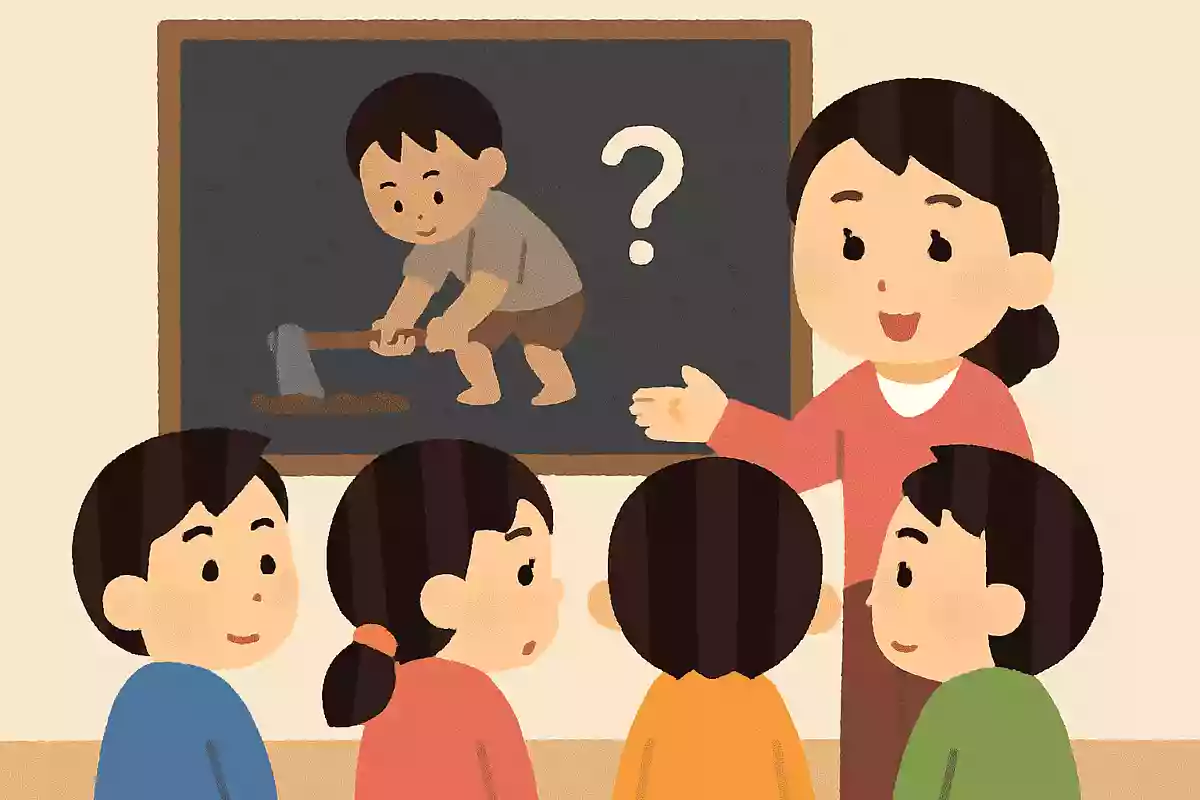
- Because the children want to work too.
- Because if the children don’t work, there’s no money.
- Because it's that kind of country.
See the answer
Because if the children don’t work, there’s no money.
In poor countries, children cannot do what they want. They work to support their families. We need to make changes so that adults can earn enough income.
About how many people in the world are having trouble because they can’t use clean water?
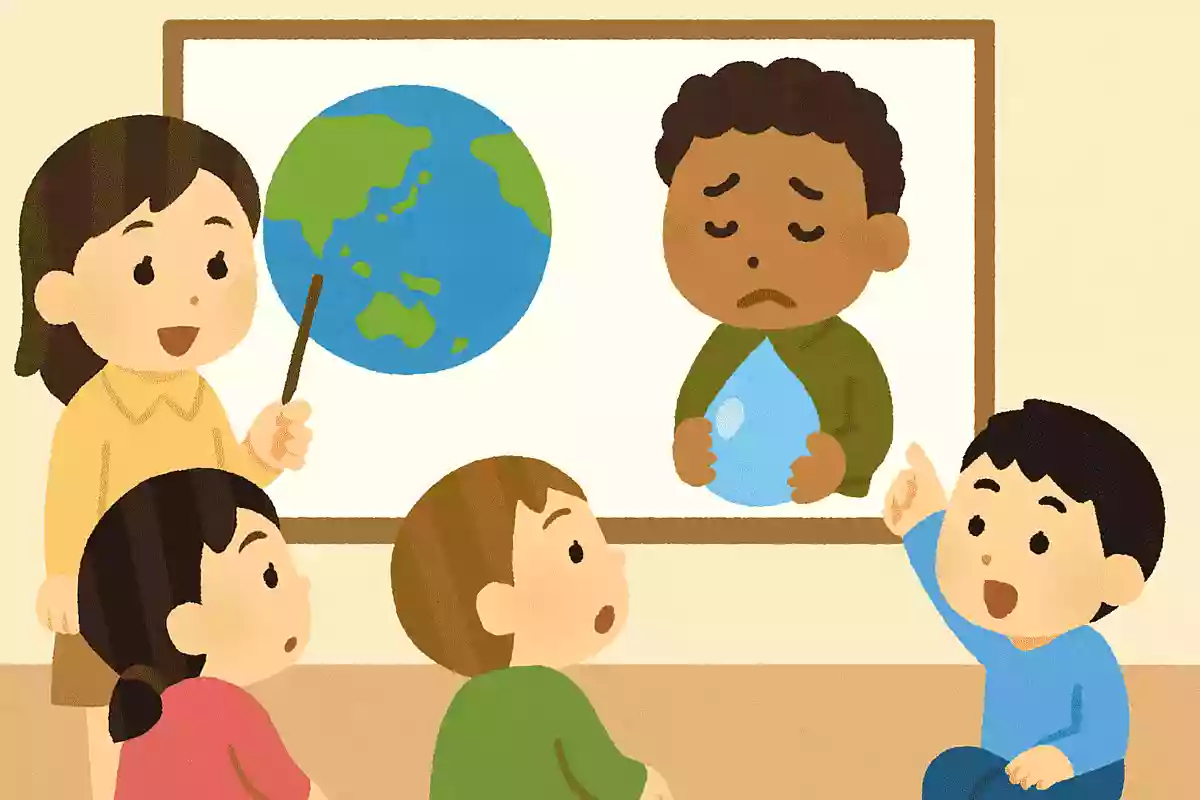
- One out of five people
- One out of ten people
- One out of four people
See the answer
One out of four people
Without clean water, people can get stomach problems or become ill, which is bad for health. Ensuring access to clean water is a global challenge.