

![[Childcare] Let's come up with SDG-related quizzes with the children](https://media.ragnet.co.jp/img/1200__png__https://www.studiorag.com/files/2025/05/3689a21848256f8fa39f9b7c9b211bd9.webp)
[Childcare] Let's come up with SDG-related quizzes with the children

The SDGs, composed of 17 goals, were proposed in September 2015.
There are likely preschools and childcare centers where children are encouraged to think about the goals and try what they can do.
Each of the 17 goals has its own background, and many of them relate to issues that are familiar to children.
This time, we’ve gathered quizzes related to the SDGs.
We definitely want to share with the children—who will live in the future—what the world is like and what problems it faces.
Let’s deepen our understanding of the SDGs by learning together through quizzes.
[Childcare] Let's Create SDGs-Related Quizzes with the Children (1–10)
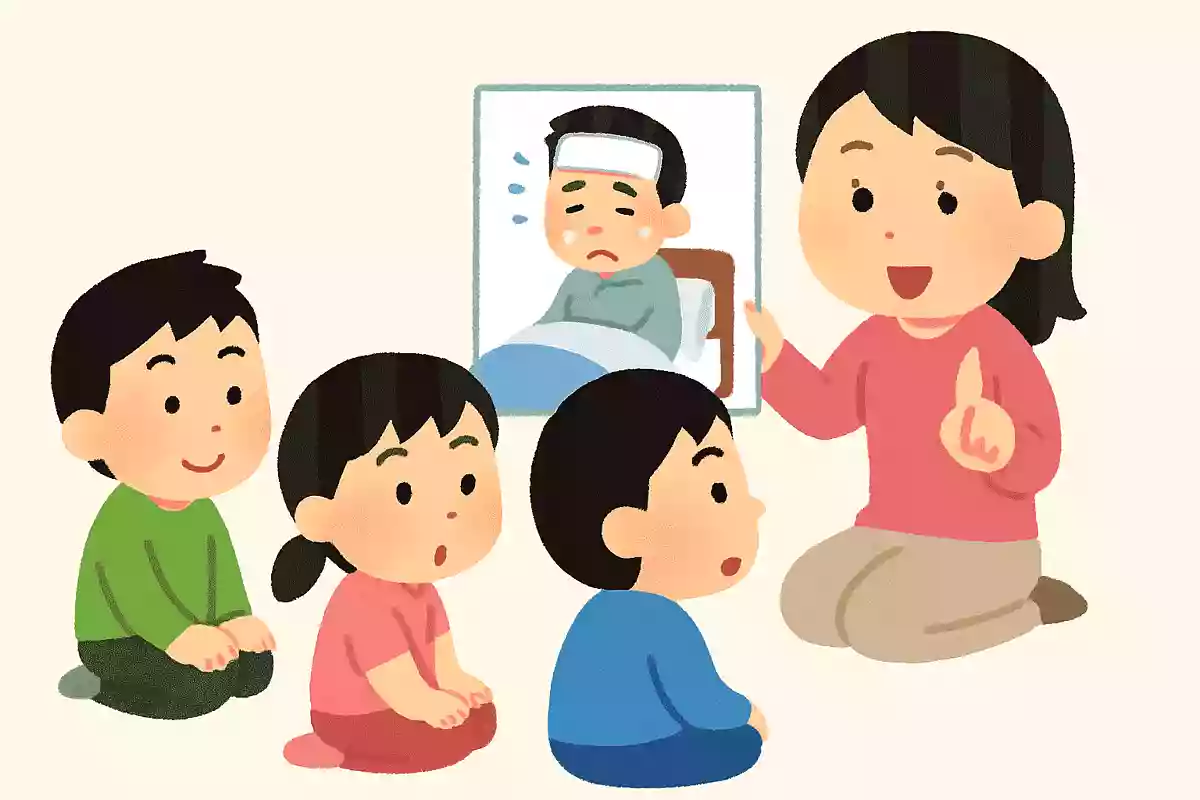
How many people in the world are unable to go to the hospital even when they catch a cold?
- One in ten
- one in thirty people
- One in two
See the answer
One in two
It might be easier to imagine if you have the children in the class form groups with the corresponding number of people. It isn’t a given that you can receive treatment when you catch a cold.

How many goals are the SDGs made up of?
- 10 pieces
- 17 pieces
- 30 pieces
See the answer
17 pieces
There are 17 goals covering a wide range of areas, including matters related to people, the economy (money), and the global environment.
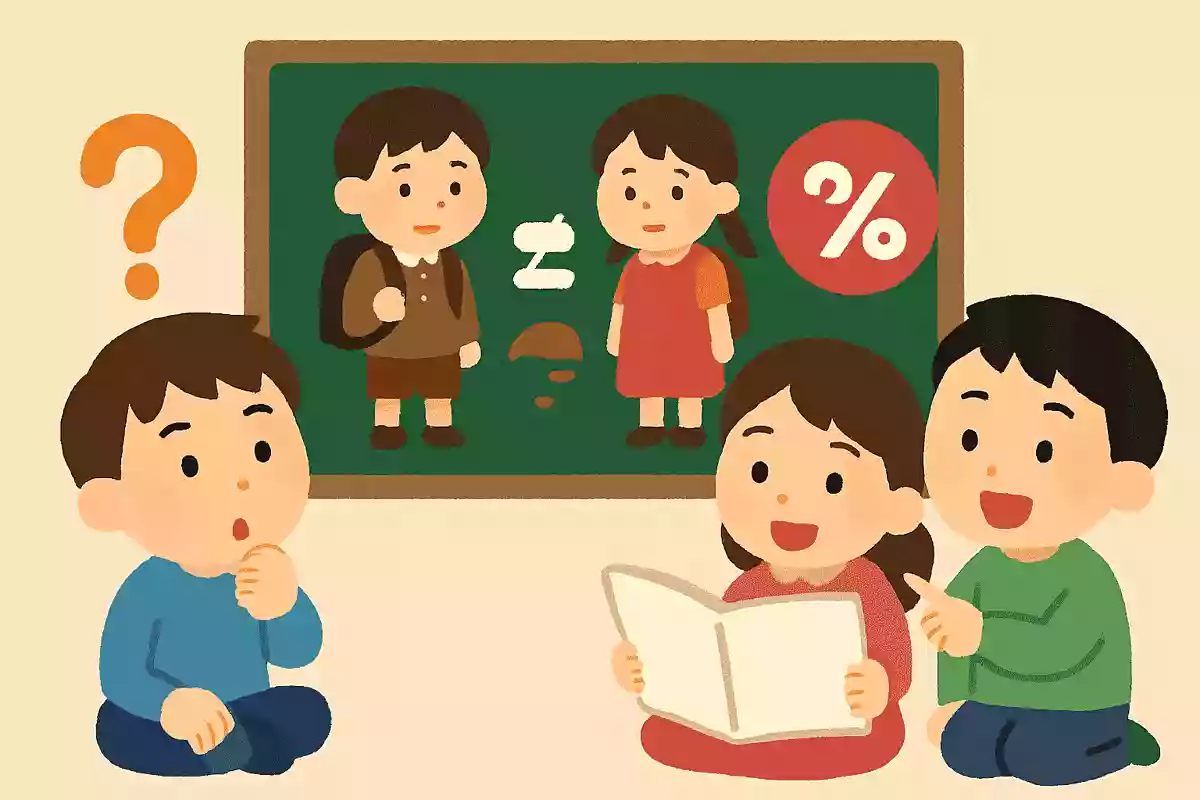
There is a disparity between boys and girls in the world. How many girls are unable to go to school?
- five times as many as the boys
- twice as many as the boys
- Both boys and girls can attend school equally.
See the answer
twice as many as the boys
The disparity (discrimination) that arises based on gender, such as being a boy or a girl, is called the gender gap. Around the world, there are cases where girls cannot go to school simply because they are girls, or are forced to marry someone they do not love.
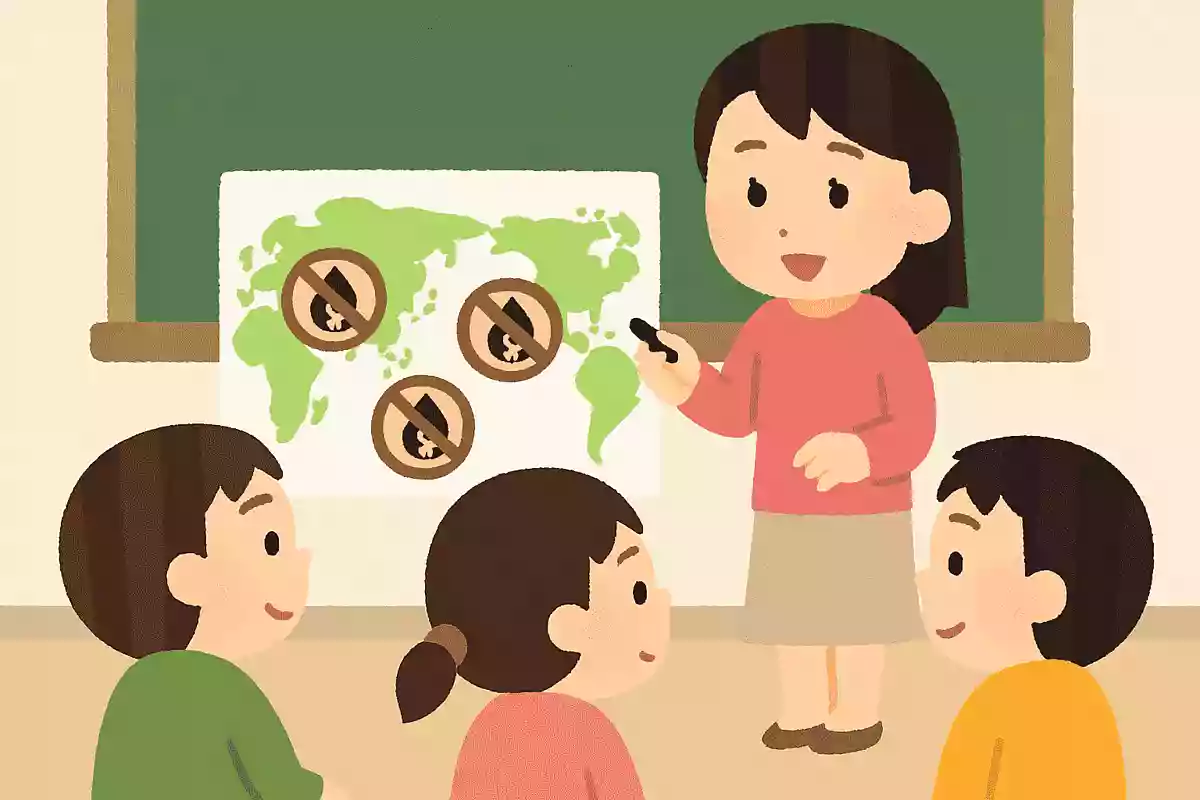
How many people in the world are unable to use electricity?
- 500 people
- not here; not there; absent; does not exist (for animate beings)
- 733 million (about six Japans)
See the answer
733 million (about six Japans)
Six times Japan’s population are living without access to electricity. To ensure everyone can use energy such as electricity, we need to advance our technologies.
We are trying to reduce plastic to protect the ocean. Why is that?
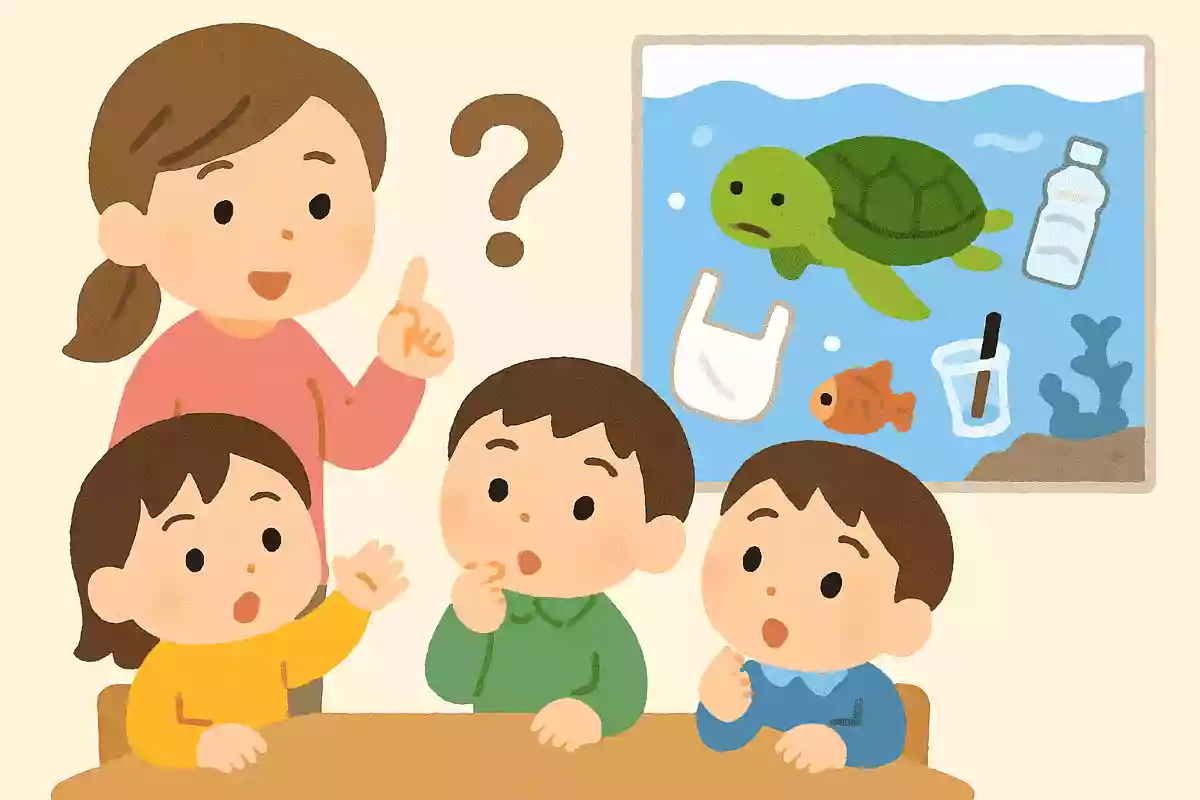
- Because plastic turns into trash.
- Because creatures that eat plastic end up dying.
- Because when plastic is thrown into the sea, it gets carried away to other countries.
See the answer
All
Plastic can be recycled as waste, but there is far more plastic that is not being recycled. Numerous cases have been reported of fish, birds, and other animals dying after ingesting plastic.
Which of the following is considered a problem in the world right now?
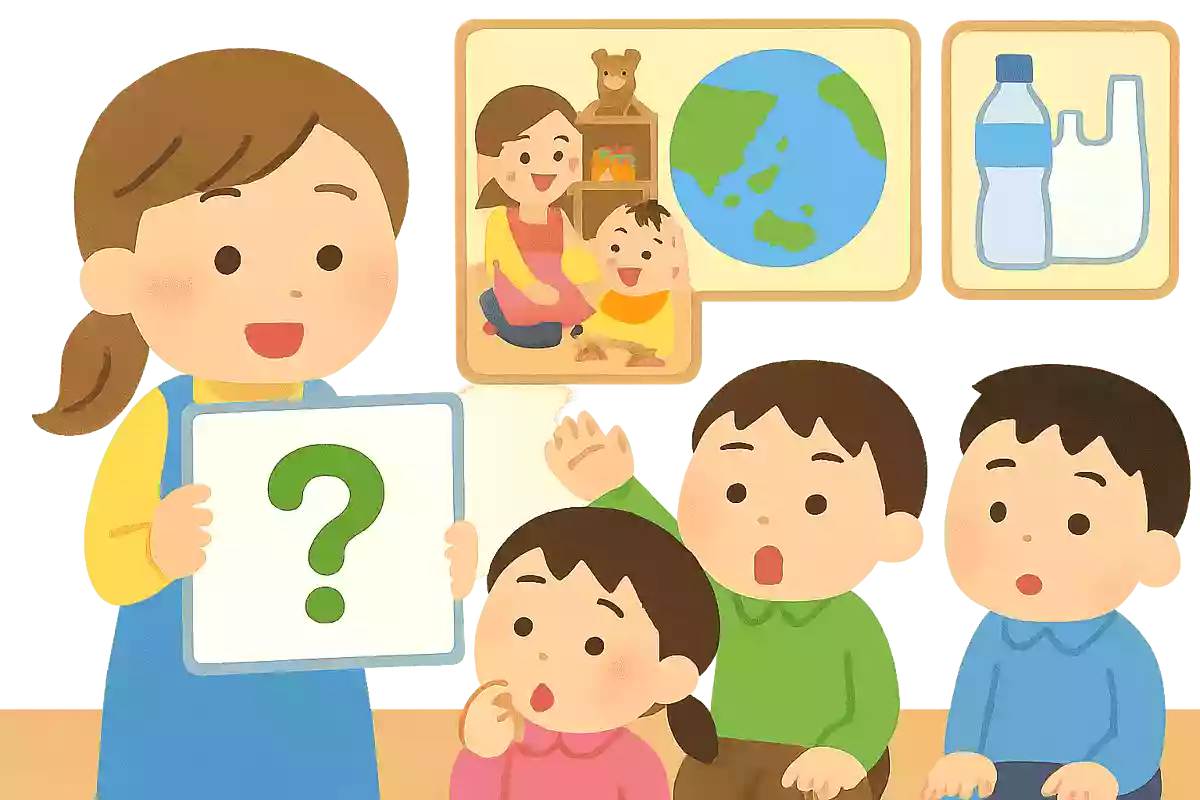
- Many animals are being killed.
- Many trees in the forest are being cut down.
- The number of species is decreasing.
See the answer
All
There are people who still do things that are supposed to be forbidden, such as killing elephants to take their tusks. Many trees in the forests are being cut down, and both wildlife and trees are decreasing.
In the world, how big is the gap between the very rich and the very poor?
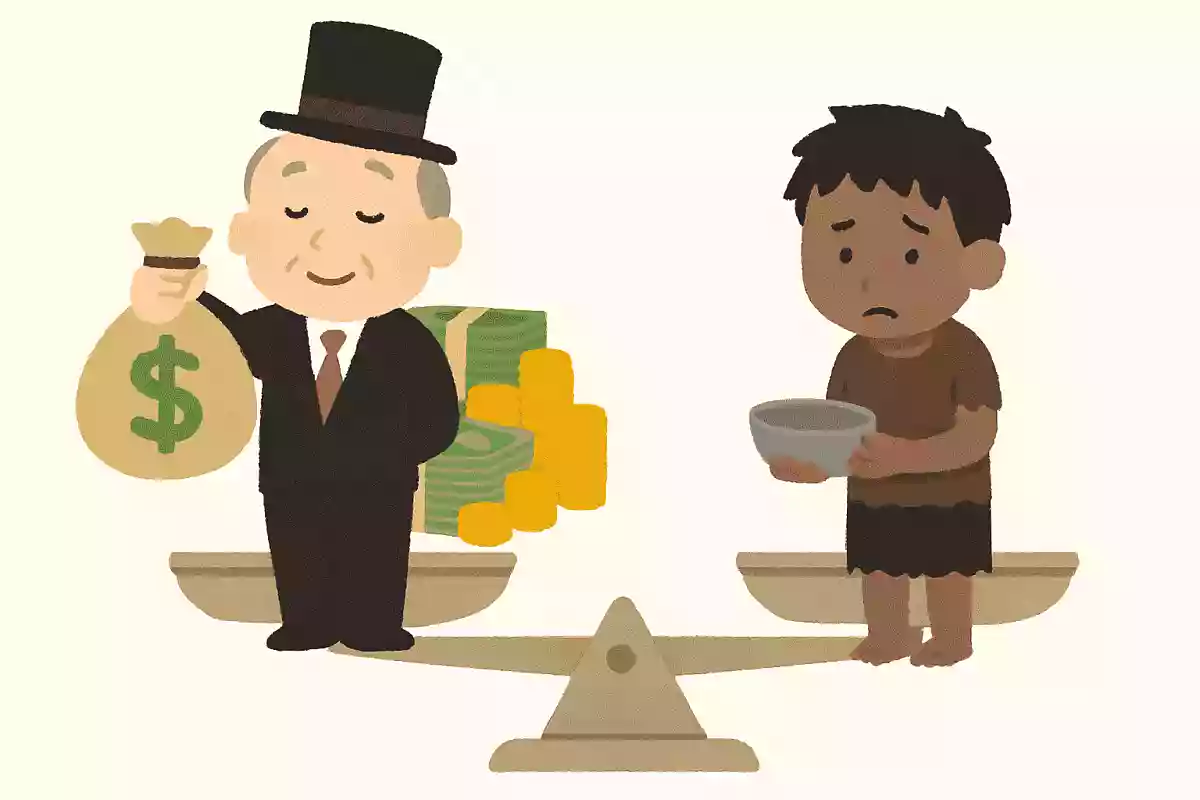
- A rich person can have 33 books by themselves, but poor people have only 10 books among 25 of them.
- A rich person can have two books to themselves, but a poor person has only one book per person.
- A rich person can own 50 books by themselves, but poor people have only one book for every five people.
See the answer
A rich person can have 33 books by themselves, but poor people have only 10 books among 25 of them.
Since this is a problem about ratios, it might be hard to visualize. Try using illustrations and get creative to explain it to the children.