

[Logic Quiz] Flexible Thinking and Creativity Are Key! From Classics to Tough Challenges, All in One Go

Logic puzzles that call for flexible thinking and free imagination!
In this article, we introduce a wide range of problems—from classic ones you might see on TV or in magazines to challenging brainteasers with a twist.
Critical thinking and reading comprehension are certainly important, but surprisingly crucial is letting go of assumptions!
That “Isn’t this obviously what it means?” is often wrong to begin with.
Take this opportunity to clear your mind and tackle the problems without being bound by unconscious assumptions!
- [Battle of Wits] Stimulate your intellectual curiosity! Quiz questions that get adults excited
- [Genius if you can solve it?] Insight and intuition: a challenging IQ quiz
- A quiz that seems easy but is actually hard: trick questions that make you think flexibly
- Genius if you can solve it? Super-difficult Quiz Collection
- Take on the challenge like a puzzle! A collection of logic quizzes that also work as brain teasers.
- [Interesting] A collection of brain teaser quiz questions. Let's train your brain!
- [Interesting] Collection of Math Quiz Problems
- Riddles for college students. Questions that test thinking and creativity.
- Fun quizzes for elementary school kids: a collection of questions everyone can enjoy together
- [Brain Training] Difficult Riddles That Even Adults Struggle With
- Also great for brain training! A flash of intuition is the key to solving these insight quizzes.
- Hard to get right on the first try! A quiz you’re guaranteed to get tripped up by.
- A math quiz for adults. Can you solve it?
[Logic Quiz] Flexible Thinking and Creativity Are the Key! A Comprehensive Showcase From Classics to Brain Busters (11–20)
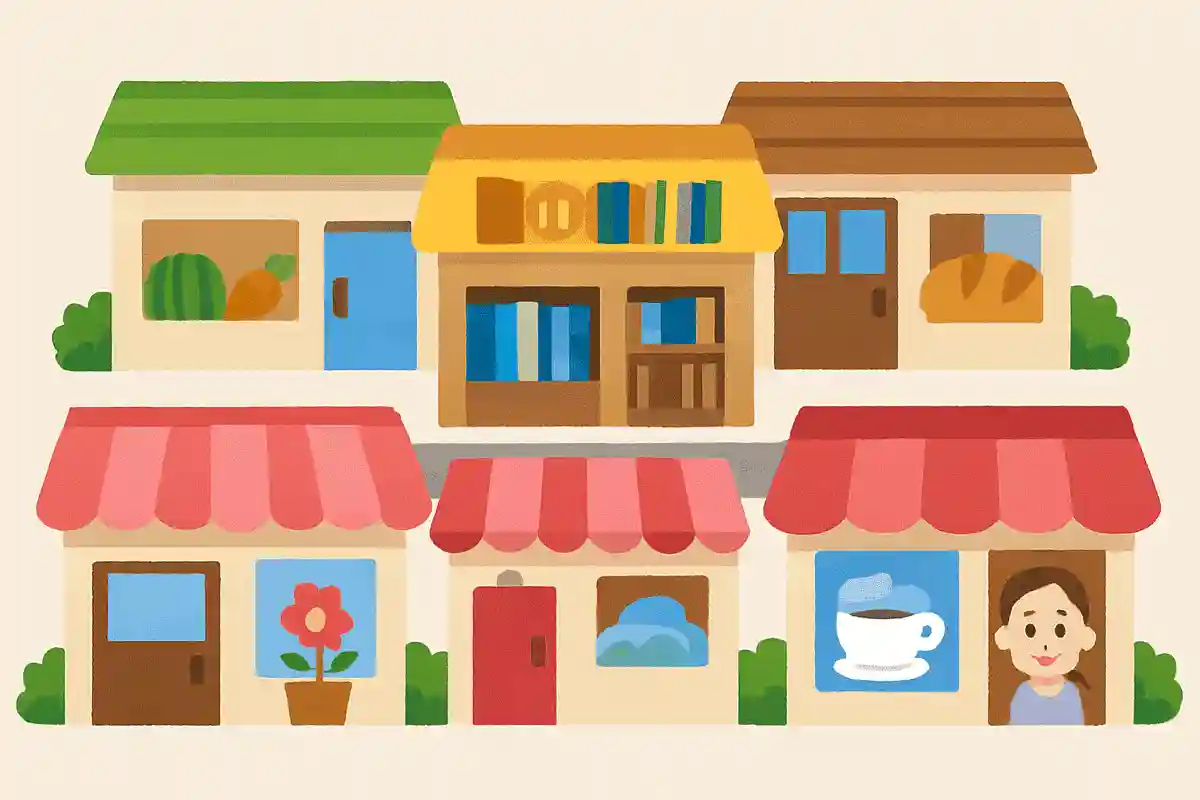
There are two rows of shops along a street, with three shops on each side, labeled A, B, C, D, E, and F. “To the right of A is a bookstore.” “In front of the bookstore is a flower shop.” “Next to the flower shop is a bakery.” “In front of D is E.” “Next to E is a beauty salon.” “E and the café are on the same side of the street.” A is in the center. What kind of shop is A?
See the answer
beauty salon
The bookstore is to the right of A, and in front of it is the flower shop. Next to the flower shop—meaning opposite A—is a café. Since the hair salon and the café must be on the same side, A must be one of them. Given that E is next to the hair salon, A must be the hair salon. It says that E and the café are on the same side of the street, but in fact E equals the café. The key is not to be misled by this.

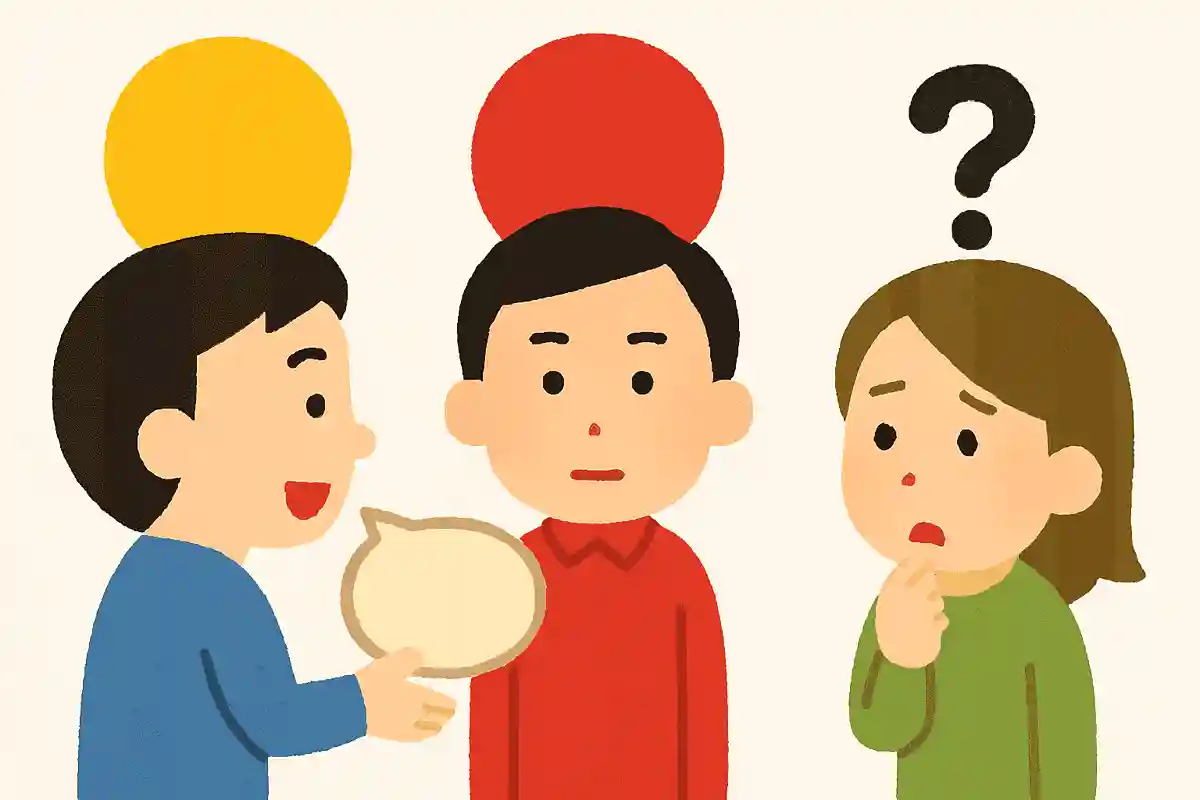
There are two types of people: “good” people who always tell the truth and “bad” people who always lie. Person A says, “B and C are the same type.” When someone asked C, “Are A and B the same type?”, what would C have answered?
See the answer
A and B are the same type.
If A is a good person, then B and C are also good, and the honest C would answer, “A and B are the same type.” If B and C were bad, C would lie and would likewise answer, “A and B are the same type.” On the other hand, if A were bad, then B and C would be different types; if C were good, A and B would both be bad. If C were bad, A and B would be different types, but C would answer that they are the same. In other words, regardless of who each of the three is, C’s answer will be, “A and B are the same type.”
In conclusion
This time, we introduced a variety of logic puzzles, from easy ones to quite formidable brainteasers! Some of you might feel like your brains are about to boil over. Logic puzzles are perfect not only as recreation or conversation starters, but also as exercises to keep your mind flexible. If there’s a problem you don’t quite understand, try writing it out on paper or recreating the scenario and keep challenging it until it makes sense!