

Beautiful Folk Songs Passed Down in Miyagi Prefecture: A Collection of Masterpieces that Play the Heart of the Hometown

The many folk songs that live on in Miyagi Prefecture are sonic treasures that vividly reflect Tohoku’s culture and the lives of its people.
From mountain songs set against majestic peaks to fishermen’s songs praising the bounty of the sea, the rich voices born from the land and people’s way of life can still be heard across the region.
This article brings together folk songs from Miyagi, centered around Sendai.
Why not lend an ear to the gentle melodies imbued with the feelings of our forebears—melodies that evoke the changing seasons, the bustle of festivals, and the joys of farm work?
- Miyagi Songs: Popular tracks that celebrate famous sights and specialties, and timeless pieces filled with love for home
- Beautiful Folk Songs Passed Down in Miyagi Prefecture: A Collection of Masterpieces that Play the Heart of the Hometown
- Folk songs, children's songs, and nursery rhymes of Iwate: the heart of the hometown passed down through song
- [Folk Songs and Children's Songs of Akita] A curated selection of local masterpieces that evoke love for one’s hometown
- Folk songs, children’s songs, and nursery rhymes of Kumamoto: the enduring spirit of our hometown passed down through song.
- Folk Songs, Children's Songs, and Nursery Rhymes of Aomori: Japanese Songs from Tsugaru and Hachinohe that Resonate with the Heart
- Tokushima’s Folk Songs, Children’s Songs, and Nursery Rhymes | Traditional Songs Rooted in the Region, Including Awa Odori
- Folksongs, children's songs, and nursery rhymes of Fukushima: the heart of our hometown passed down in song
- [Folk and Children's Songs of Hokkaido] Songs of Hokkaido that continue to be loved across generations
- [Sky-Themed Nursery Rhymes and Songs] Children’s Songs Loved Across Generations
- [Folk Songs of Yamagata] The Heart of Our Hometown Passed Down in Song: Feelings Woven into Nostalgic Melodies
- Songs of Iwate: The Heart of Our Hometown Passed Down in Song | A Collection of Classics to Enjoy While Thinking of Iwate
- Niigata’s folk songs, children’s songs, and nursery rhymes: the heart of our hometown passed down in song
Beautiful Folk Songs Handed Down in Miyagi Prefecture | A Collection of Masterpieces that Play the Heart of the Hometown (11–20)
Miyagino Bon Song
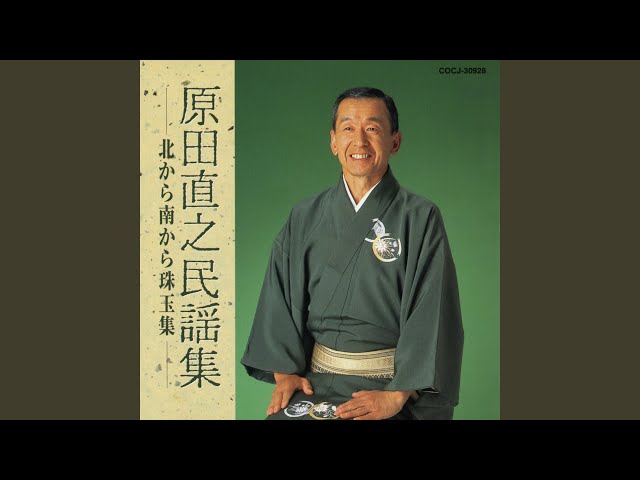
Miyagino Bon Uta is a song created shortly after the war by Chūichirō Takeda, a folk song researcher from Iwate Prefecture who lived in the Miyagino Housing Complex in Sendai.
Long ago, due to the misconduct of the third head of the Date clan, Tsunamune, the succession was passed to Kamechiyo, who was only two years old.
As a result, in the Date domain, events such as Bon dances were banned, and almost no Bon dancing could be found throughout the prefecture.
For this reason, this later-composed song has become a valuable Bon song.
Sendai Bon Uta

This folk song from Miyagi features an exhilarating rhythm that conjures up a circle of Bon Odori dancers on a summer night.
Created in 1954, it weaves the sights and landmarks of Sendai’s Miyagino Ward into its lyrics, together with original choreography.
Its gentle melody, celebrating the region’s beautiful scenery and the warm lives of its people, invites listeners to reminisce about fond summer memories.
The piece has also been passed down in diverse forms—such as MIKAGE PROJECT’s contemporary interpretation on their EP “TOU”—adding to its enduring charm.
Why not lend an ear to these tones, imbued with love for the homeland?
Tawarazumi Song
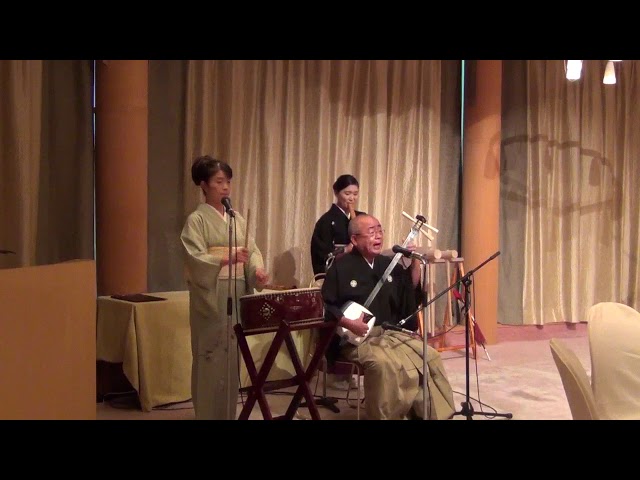
This is a lively celebratory song from the Tohoku region that conjures up the spirited scene of stacking rice bales high.
Originating in the southern part of Aomori Prefecture, it has been passed down as a prayer for bountiful harvests and household prosperity, brimming with the strength and joy of people who live in harmony with the land.
The rousing calls that sing of wealth growing from a thousand to ten thousand bales uplift listeners’ spirits.
The piece is beloved nationwide—there’s even a national competition—and is sometimes enjoyed in dynamic arrangements that blend Japanese and Western instruments.
It’s perfect not only for festive occasions; listen to it when striving toward a goal with your companions, and you’re sure to feel courage well up.
Miyagi Zaiyō-bushi
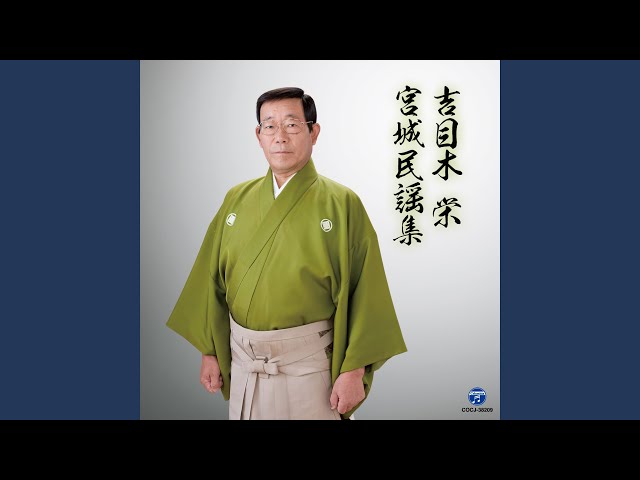
A new folk song from Miyagi that vividly portrays the tranquil rural landscape and people’s lives to a lively rhythm.
From the lyrics, you can easily picture people in the Wakayan rice paddies under the spring light, wearing sedge hats as they work hard at rice planting.
One of the song’s charms is its rhythmic refrains, which convey the joy and energy of communal labor.
It has been recorded by folk singers and featured on folk music programs broadcast in the Tohoku region, making it known as a song rooted in the local community.
Why not try singing it while letting your thoughts drift to the scenery of your hometown?
Rice Field Leveling Song

It’s a lively farm-working song that vividly conjures up the rural landscapes of Miyagi Prefecture.
You can feel the bustling scene of people joining forces to level the rice fields and the joy of welcoming spring through the cheerful calls and expansive melodic lines.
It also has a pop-song-like familiarity, offering many ways to enjoy it.
The fact that it has been recorded by various singers and featured in folk music classes shows how carefully it has been passed down.
Why not listen to its gentle tune while reflecting on the abundant nature of Tohoku?
Miyagi Horse-Driver’s Song

It is said that Miyagi Mago-uta (Miyagi packhorse driver’s song) originated when the folk song Komoro Mago-uta from around Komoro City in Nagano Prefecture was brought in and became adapted as Miyagi’s mago-uta.
After the popular folk singer Masao Akama—known for his powerful low voice—recorded it in 1962 (Showa 37), it became one of the Tohoku region’s representative mago-uta.
Beautiful Folk Songs Passed Down in Miyagi Prefecture | A Collection of Masterpieces That Play the Heart of the Hometown (21–30)
rice sectionFujita Masato, Omura Yo Akira

The Miyagi Prefecture folk song “Kome-bushi” is a parody song that uses, unchanged, the melody of “Hakata Kojorō Namemakura,” with lyrics by Masato Fujita and music by Yoshiaki Ōmura.
The shakuhachi player Tenjin Hoshizora added lyrics like a celebratory song praising rice.
It has become a song that resonates with the Japanese spirit of cherishing even a single grain of rice.