



Aren’t there many men in their 90s who still love to sing? Many enjoy going to karaoke with family and friends, and quite a few like karaoke activities at care facilities.
In this article, we’ll introduce a selection of songs that are sure to get men in their 90s excited! Use it to find songs for people in their 90s to sing, and it can also help younger generations choose songs when going to karaoke together with them.
We’ve focused on classic Showa-era hits, so you’ll likely find many songs that are familiar across generations.
Let’s dive right in!
- Songs to Enjoy with Women in Their 90s: A Collection of Karaoke Crowd-Pleasers
- Tear-jerking songs recommended for men in their 90s: a collection of moving masterpieces
- [Karaoke] Recommended Songs for Men in Their 80s: A Collection of Showa-Era Classics You’ll Want to Belt Out
- Easy-to-sing songs recommended for men in their 90s: A roundup of tracks to sing at karaoke
- For seniors: Recommended youthful songs for people in their 90s. A collection of classic Showa-era hits.
- Lively songs recommended for people in their 90s—fun songs for everyone to listen to and sing together.
- Easy-to-sing songs recommended for women in their 90s: A roundup of tracks to try at karaoke
- Songs I want men in their 70s to sing: a roundup of tracks I'd like to hear at karaoke
- Recommended autumn songs for people in their 90s: A collection of Showa-era autumn tunes
- A collection of moving, tear-jerking songs recommended for women in their 90s—heartfelt tunes that resonate with the soul.
- [For people in their 90s] Recommended Christmas songs: from nostalgic school songs and hymns to timeless classics
- Uplifting songs recommended for a man in his 90s—positive tunes to boost his spirits
- Recommended cheer songs for people in their 90s: a collection of timeless tracks that support life
Songs that get men in their 90s excited: A roundup of recommended karaoke classics (1–10)
Alright, that’s enough.Ueki Hitoshi
Hitoshi Ueki’s “Hai, Soremade yo” is a classic Showa-era song that humorously portrays everyday joys, anger, sadness, and happiness.
It sings of love, disappointment, and life’s absurdities to a lively rhythm.
The song was also used in films such as “Japan’s Era of Irresponsibility” and is cherished as one of Ueki’s signature works.
It’s a perfect choice for enjoying karaoke with seniors.
With lyrics that resonate across generations and a bright melody, it’s sure to spread smiles.
Three Men in Traveling Attiredikku mine

Dick Mine’s “Tabisugata Sannin Otoko” is a classic Showa-era song that depicts Japan’s beautiful scenery and the passion of men.
It extols the grandeur of Mount Fuji and the beauty of clear streams, and its lyrics celebrating masculine pride and courage resonate deeply.
Released in 1938, the song became a signature work in the career of Dick Mine, who was a top moneymaking star for Teichiku Records.
It’s a perfect choice to sing when enjoying karaoke with seniors or sharing nostalgic memories.
Otomi-sanKasuga Hachirō

A masterpiece among Showa-era classics, with an emotive vocal that stirs listeners’ hearts.
Released in 1954, it is one of Hachiro Kasuga’s signature songs.
It became a massive hit that grew into a social phenomenon and has since been covered by many artists.
The lyrics, inspired by the kabuki play Yowa Nasake Ukina no Yokogushi, depict the reunion and bittersweet fate of former lovers, evoking the transience of life and the mystery of destiny.
For older listeners, it’s a song that brings back memories of their youth.
Why not all raise your voices together and sing it with feeling?
Hey, Nakamura!Wakahara Ichirō
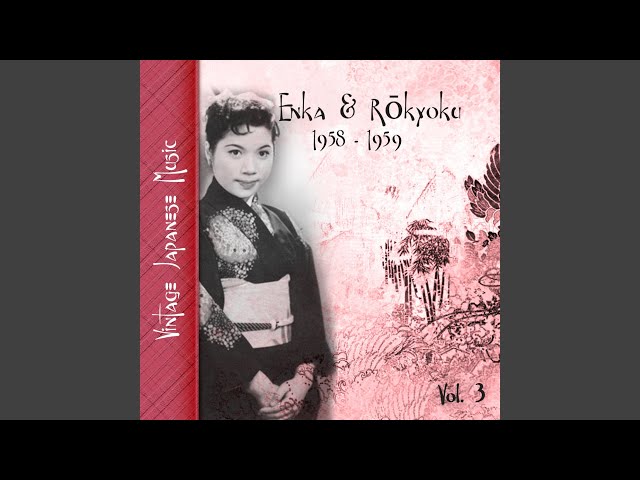
The classic Showa-era song “Hey, Nakamura-kun” is one of Ichirō Wakahara’s signature hits, beloved by many.
With its lively, approachable melody and humorous lyrics, the song depicts the interactions between newlywed Mr.
Nakamura and his friends.
It was a massive hit in 1958, selling over 500,000 copies, and even appeared on NHK’s Kōhaku Uta Gassen.
Its lyrics, themed around the everyday life and friendships of office workers of the time, continue to resonate across generations.
It’s a song you can enjoy singing together—perhaps while reminiscing with older listeners about fond memories.
Ladies and gentlemenMurata Hideo

Hideo Murata’s “Minna no Shū” celebrates the importance of honestly expressing life’s joys, anger, sorrow, and pleasure.
It’s striking how the song offers concrete coping tips for everyday life, such as drinking water to calm down when you feel angry.
Released in 2009, this gem of a track is infused with Murata’s rich life experience.
When older listeners sing it at karaoke, it’s sure to spark a sense of shared empathy.
If everyone raises their voices together, it can become a wonderful time to talk about life across generations.
Sōemonchō Bluesheiwa katsuji to daakuhosu

The Showa-era classic “Soemoncho Blues.” Released by Katsuji Heiwa and the Dark Horse in 1972, it continues to be loved by many to this day.
The melancholic cityscape and lyrics that blend heartache with hope resonate deeply.
You can almost picture the faces of people walking through rain-soaked streets.
Combined with its melodious tone, it stirs the listener’s heart.
It’s great to hum along with older folks, and it can also be a spark for sharing fond memories.
A Migratory Bird with a GuitarKobayashi Akira

“Guitar o Motta Wataridori” (The Guitar-Toting Drifter) by Akira Kobayashi remains a beloved Showa-era classic.
Its lyrics, depicting the loneliness and romantic spirit of a wandering man, truly resonate.
You can picture the protagonist continuing his journey with a guitar in his arms, overlaying his fate with the image of a red sunset.
Released as the theme song for the film of the same name in 1959, it became one of Kobayashi’s signature works.
In the movie, the scene where he sings while holding a guitar is especially memorable and is said to have catapulted him to stardom.
With its distinctive melody and lyrics, it’s a captivating number—an excellent choice to sing at karaoke with older listeners.