

Children’s Song Medley: A playlist of classic and popular hits everyone knows

Nursery songs that have been sung for generations.
Many of you may have had your grandmother or mother sing them to you when you were little, or sung them yourselves with gestures at kindergarten, daycare, or school.
In this article, we’ve picked out classic nursery songs, focusing on those that children still love today.
From timeless favorites that evoke nostalgia to relatively new songs that have recently become popular in early childhood settings, we’ll introduce a wide range.
Please enjoy this playlist of nursery songs that will bring back memories of your early years.
- Ranking of Popular Children's Songs [2026]
- Nostalgic Children’s Songs, Folk Songs, and Nursery Rhymes: The Heart of Japan Passed Down Through Song
- [Children's Songs] Cute songs recommended for childcare. List of popular nursery rhymes.
- Japanese Shoka, Children's Songs, and Nursery Rhymes | Timeless masterpieces that resonate in the heart, passed down across generations
- Let's sing together! A collection of nursery rhymes everyone knows
- [Elementary School Music] List of Popular and Nostalgic Songs That Have Appeared in Textbooks
- A children's song from a popular fairy tale
- Get pumped with kids’ favorite songs! A memorable collection of classics that will make you want to sing along
- Lullabies: children's songs, folk songs, and nursery rhymes. Nostalgic songs for putting children to sleep.
- [Japanese Children's Songs] Carefully selected timeless masterpieces loved across generations!
- Nursery rhymes you’ll want to sing at karaoke: classic and popular songs everyone can enjoy together.
- [Minna no Uta] Tear-jerking masterpiece. A moving song you want to hear again.
- Childcare: Today's recommended fun songs
[Children’s Song Medley] A playlist of classic and popular well-known tunes (31–40)
Yukisakushi: fushō/sakkyoku: fushō

It’s a beloved Japanese classic that celebrates the joy of snow.
Rather than focusing on the cold, it portrays snow as an artistic element that colors Japan’s landscapes.
With unknown lyricist and composer and being in the public domain, it has been frequently covered by various artists and used in commercials, remaining a nursery rhyme cherished by the Japanese.
Rudolph the Red-Nosed ReindeerSakushi: Sakkyoku: Jonī Māku-su

This song, a Christmas classic, is based on the best-selling children’s book “Rudolph the Red-Nosed Reindeer” and was written and composed by American songwriter Johnny Marks.
It, too, became a hit that reached No.
1 on the Billboard charts.
Although it’s a Christmas song, its story—conveying courage and hope to children, along with Santa’s kindness—is the reason it continues to be loved today.
Cute Fish ShopSakushi: Katō Shōgo / Sakkyoku: Yamaguchi Yasuji

This is a children’s song about kids playing fishmonger.
Its snappy Edo-style rhythm and cute lyrics make your spirits lift—it’s a lively tune.
It also has a nostalgic Showa-era vibe.
It reminds us that fish used to be sold door-to-door.
spring breezeSakushi: Katō Yoshikiyo / Sakkyoku: Fositā

Set to a gentle melody that evokes the arrival of spring, this song features tender lyrics that resonate with children.
Written by Yoshikiyo Kato and composed by Stephen Foster, it was included in the “Certified Song Collection” in 1926.
The song depicts the spring breeze blowing through willow threads and across gardens, conjuring light, pleasant imagery.
It offers a soothing springtime moment not only for children but also for preschool teachers.
Once you’ve learned the lyrics, try opening a window and singing while feeling the outside breeze—highly recommended! A lovely piece that captures the refreshing spirit of spring.
rainfallsakushi: kitahara hakushū / sakkyoku: nakayama shinpei

It’s a cheerful melody that feels as if you’re enjoying a rainy day, almost like skipping along.
The lyricist, Hakushu Kitahara, was a great poet renowned not only for children’s songs but also for poetry, tanka, and folk songs.
This masterpiece evokes a story within the song: a child frolicking with their mother, concern for a child in trouble, and a mother watching over her child.
Children’s Song Medley: A Classic and Popular Hit Playlist Everyone Knows (41–50)
Santa Claus the ScatterbrainSakushi: Yoshioka Osamu / Sakkyoku: Kobayashi Asei

This song is a huge hit with children as a classic Christmas tune.
Since Japan originally didn’t have the custom of celebrating Christmas, there naturally weren’t any Christmas songs.
That’s why this song, “Awatenbō no Santa Claus” (The Hasty Santa Claus), was created.
In other words, it isn’t an English translation but a song written by a Japanese composer.
The catchy melody was composed by Asei Kobayashi, famous not only as a TV personality but also for writing numerous commercial jingles.
Happy HinamatsuriSakushi: Yamano Saburou / Sakkyoku: Kawamura Naonori
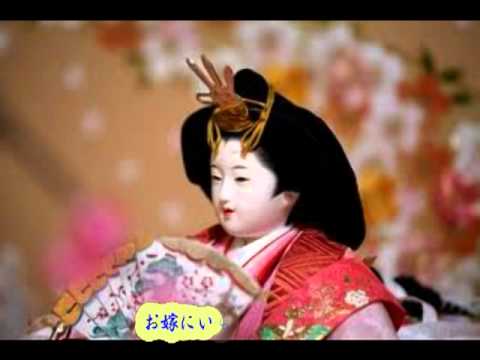
Hinamatsuri, the Peach Festival, is a celebration that prays for girls’ healthy growth.
It features a song so important to the Japanese that there is hardly a year when one doesn’t hear it.
Despite the title including the word “happy,” there are various theories as to why the melody is in a minor key.
One explanation links to the lyricist Saburo Yamano (Sato Hachiro): it is said that around the time his older sister was about to be married, she passed away from tuberculosis—an event thought to resonate with the song’s lyrics.