

For Seniors: What’s the real name behind this abbreviation? A quiz on the formal names of familiar terms you might not know

We often don’t actually know the official names of words we use every day.
Even words we take for granted, like “rimokon,” “Y-shirt,” and “CM,” actually have official names or origins.
Here’s a quiz on official names that’s perfect for sparking conversations with older adults.
It includes abbreviations for nostalgic items as well as current youth slang—words everyone has heard at least once.
Share those “So that’s what it means!” moments and use them as a fun springboard for conversation.
- [For Seniors] That phrase too! A fun 3-choice abbreviation quiz
- [For Seniors] Difficult-to-Read Kanji for Everyday Items: Take on a quiz full of surprises and discoveries
- [For Seniors] How many can you read? A kanji quiz of familiar things that look readable but aren’t
- Introducing old-fashioned words that are useful for conversations with elderly people!
- [For Seniors] Surprisingly Unknown! General Knowledge Quiz
- [For Seniors] Lively True-or-False Quiz: Fun Questions You Think You Know but Don’t
- Recommended for seniors! Liven up your event with a Respect-for-the-Aged Day quiz!
- [For Seniors] Trivia Quiz & Fun Facts for Everyday Life
- [For Seniors] Fun and Exciting! Difficult Kanji Quiz
- [For Seniors] Boost Your Knowledge! Fun Trivia Quiz
- [For Seniors] Laugh-Out-Loud, Crowd-Pleasing! Fun Quiz
- [Brain Training] Lively Word Quiz for Seniors
- [For Seniors] Where Do You Break It? Liven Things Up with a Fun Word-Splitting Quiz
[For Seniors] What’s the real name of this abbreviation? A quiz on the official names of familiar terms you might not know (11–20)
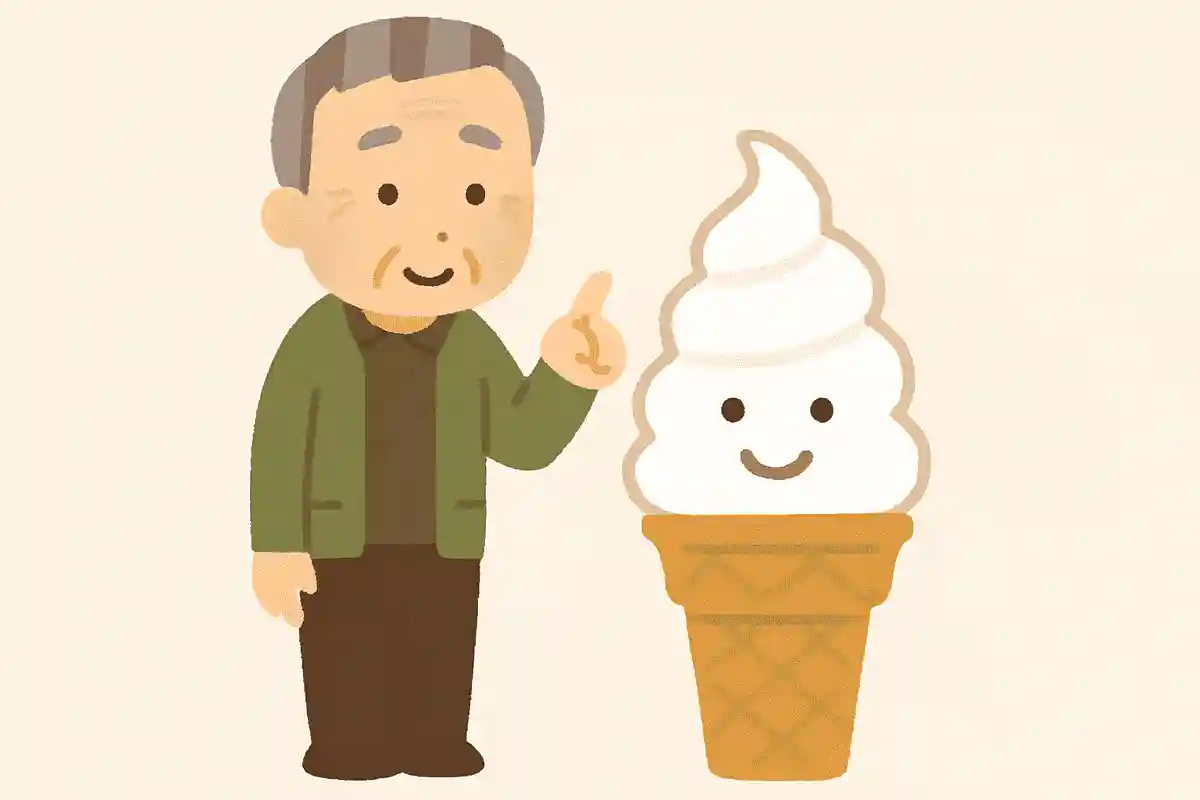
Soft serve — short for what?
- Soft Carnival Ice Cream
- soft-serve ice cream
- Soft cheese cream
See the answer
soft-serve ice cream
“Soft cream” is an abbreviation of the English term “soft serve ice cream.” Here, “soft” refers to its smooth, tender texture. Instead of being hardened in a freezer, the ice cream is chilled while being mixed in a machine on the spot and served while still soft. The technique came to Japan from the United States after World War II and became popular. Although it’s not obvious from the everyday Japanese term “sofuto kuriimu,” it is in fact an abbreviation derived from English.

In conclusion
A quiz on the full names behind abbreviations offers a chance to rediscover the origins of familiar words. By looking back at the history of words we use casually every day, you may make new discoveries. Why not share a memorable time discussing the depth of language while enjoying it together with older adults?