

Poignant and beautiful! A collection of recommended piano pieces

Among the many musical instruments, the piano is one of the most familiar, and it’s a quintessential instrument that makes you admire anyone who can play it.
Melancholic melodies can draw you into their world before you know it.
In this article, we’ll introduce popular piano pieces themed around “sadness.” In addition to classic standards, we’ve gathered a rich variety of poignantly beautiful, piano-centered works featured in soundtracks for films, anime, and video games.
If you love wistful piano music, this is a must-check!
- Piano × Dark Pieces: Classic Masterworks to Sink Deep into Sorrow
- Masterpieces of classical piano that are too beautiful for words. A gathering of delicate tones that cleanse the soul.
- [Piano × J-POP] Tearjerker! A Selection of Moving/Touching Songs
- [Classical Piano Masterpieces] A carefully selected collection of moving pieces that will bring you to tears
- [For Adults] Recommended for Piano Recitals! A Curated Selection of Impressively Sounding Masterpieces
- [Beginner] Recommended for adult piano beginners! Beautiful & stylish piano pieces
- Beautiful Melodies: A Collection of Masterpieces and Moving Piano Songs
- Today's Piano: Masterpieces and Popular Pieces Woven with Delicate Tones
- [J-POP] I want to listen to songs with impressive, beautiful piano tones! Recommended piano cover tracks
- [Masterpiece Classics] A special showcase of gem-like masterpieces so beautiful they’ll move you to tears
- It’s so cool if you can play these on the piano! A selection of irresistibly charming masterpieces.
- [For when you want to cry or feel sad] Tear-jerking masterpieces that make you cry when you listen
- [Intermediate Level] Cool Piano Pieces You Can Play [Great for Recitals Too]
Heartachingly beautiful! Recommended piano pieces (71–80)
Petite Suite: I. En bateauClaude Debussy

In the heat of summer, let me introduce a piano duet by Claude Debussy that feels like a refreshing breeze for the soul.
First performed together by Debussy and his publisher’s representative in February 1889, this work opens a suite of four short pieces.
Its gentle, beautiful melody evokes a small boat gliding serenely over the water—utterly enchanting.
Though it has no lyrics, it is said to have been inspired by poems of Verlaine, and it conjures images of a boat drifting under moonlight, along with an elegant atmosphere from a distant era.
The shimmering piano timbres wrap the listener in a pleasantly cool calm.
The orchestral version is also well known, offering an even richer palette of colors, and you might even hear it as background music in public spaces.
Do give it a listen when you’re a bit worn out from the heat or when you want to settle your mind in quiet.
As Debussy intended for the salon—‘not too heavy and not too short’—it allows you to slip easily into a graceful mood.
music boxCharles-Henry

This heartwarming piece expresses the delicate timbre of a music box on the piano.
Its graceful melody, as if opening a jewelry box, brings a gentle sense of calm to the listener’s heart.
Featured on the album “Histoires Presque Vraies,” the work beautifully captures tones that are mechanical yet brimming with humanity, inviting you into the world of music boxes filled with nostalgic memories.
Its tender sound and simple structure are recommended for those who wish to step away from the bustle of daily life and soothe their hearts, or who want to spend a peaceful moment.
It’s also an approachable piece for those looking to try their hand at piano performance.
To a Wild Rose, Op. 51-1 (Forest Sketches)Edward MacDowell

This is a work by a composer who represents American Romantic music.
It is characterized by a simple, beautiful melody that evokes the image of a single wild rose blooming in a spring meadow.
Although the piece is only about a minute and a half long, it is imbued with deep emotion that quietly moves the listener.
Composed in 1896, it is said to have been inspired by the natural scenery of New Hampshire.
It has been arranged for various instruments such as flute and oboe, and is often performed at weddings and in relaxed settings.
It’s a recommended piece for those interested in classical music who may feel it seems difficult.
Why not listen to it in a calm, leisurely mood?
Waltz No. 12 in F minorFrederic Chopin

Waltz No.
12 in F minor, Op.
70 No.
2, was published after Frédéric Chopin’s death by his friend Julian Fontana.
It is said that this piece was not composed for publication, but rather written for a woman he knew.
With phrases that evoke poignancy as well as ones filled with happiness, it invites a range of emotional interpretations and is a work that lends itself to expressive performance.
Instead of merely playing the notes on the score, why not take on the challenge as an exercise in cultivating expressiveness and imagination?

Waltz No. 7, Op. 64-2Frederic Chopin
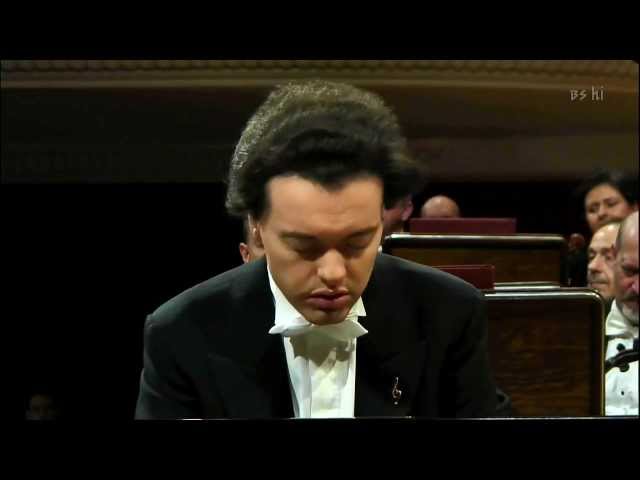
Frédéric Chopin, the great Polish composer renowned for his beautiful melodies.
When it comes to Chopin’s works, many people might think of bright pieces like the “Minute Waltz.” However, he actually produced many darker works as well, and that side of his style is also highly acclaimed.
Among them, one I especially recommend is the “Waltz No.
7 in C-sharp minor, Op.
64 No.
2.” It’s a refined piece that conveys a sense of darkness within the quintessentially Chopinesque beautiful sonority.

Sorrow of LoveKreisler=Rachmaninov

Sergei Rachmaninoff, the greatest Russian composer of the 20th century, arranged Fritz Kreisler’s piece of the same title, Liebesleid (Love’s Sorrow)—originally by the Austrian composer-violinist who was Rachmaninoff’s contemporary—into a solo piano version.
In Japan, it drew attention when it was featured as an insert piece in the 2016 live-action film adaptation of the manga Your Lie in April.
While the piece is imbued with sorrow, it also exudes a certain brilliance that suggests hope and longing, creating a captivating, enigmatic atmosphere that makes it an exceptionally attractive work.
6 Pieces, Op. 51: No. 6, Valse SentimentalePyotr Tchaikovsky

The sixth piece from Pyotr Ilyich Tchaikovsky’s set of six piano pieces, “Six Pieces, Op.
51,” by the composer well known for the three great ballet scores including Swan Lake.
In addition to its achingly beautiful melody that perfectly suits the title “Valse Sentimentale,” it also contains bright, light phrases that feel like a joyful waltz, making it a recommended study piece for developing expressiveness.
Since the left hand involves leaps, be sure to practice thoroughly during hands-separate practice so you can firmly grasp the chords.