

Poignant and beautiful! A collection of recommended piano pieces

Among the many musical instruments, the piano is one of the most familiar, and it’s a quintessential instrument that makes you admire anyone who can play it.
Melancholic melodies can draw you into their world before you know it.
In this article, we’ll introduce popular piano pieces themed around “sadness.” In addition to classic standards, we’ve gathered a rich variety of poignantly beautiful, piano-centered works featured in soundtracks for films, anime, and video games.
If you love wistful piano music, this is a must-check!
- Piano × Dark Pieces: Classic Masterworks to Sink Deep into Sorrow
- Masterpieces of classical piano that are too beautiful for words. A gathering of delicate tones that cleanse the soul.
- [Piano × J-POP] Tearjerker! A Selection of Moving/Touching Songs
- [Classical Piano Masterpieces] A carefully selected collection of moving pieces that will bring you to tears
- [For Adults] Recommended for Piano Recitals! A Curated Selection of Impressively Sounding Masterpieces
- [Beginner] Recommended for adult piano beginners! Beautiful & stylish piano pieces
- Beautiful Melodies: A Collection of Masterpieces and Moving Piano Songs
- Today's Piano: Masterpieces and Popular Pieces Woven with Delicate Tones
- [J-POP] I want to listen to songs with impressive, beautiful piano tones! Recommended piano cover tracks
- [Masterpiece Classics] A special showcase of gem-like masterpieces so beautiful they’ll move you to tears
- It’s so cool if you can play these on the piano! A selection of irresistibly charming masterpieces.
- [For when you want to cry or feel sad] Tear-jerking masterpieces that make you cry when you listen
- [Intermediate Level] Cool Piano Pieces You Can Play [Great for Recitals Too]
Heartrending and beautiful! A selection of recommended piano pieces (81–90)
Piano Sonata No. 14 in C-sharp minor, Op. 27 No. 2 “Moonlight,” First MovementLudwig van Beethoven

Ludwig van Beethoven’s Piano Sonata No.
14 in C-sharp minor, Op.
27, No.
2, widely known as the “Moonlight Sonata.” In particular, the first movement, which proceeds slowly as if expressing deep sorrow, is a masterpiece that is almost always cited as a “beautiful piano work.” The nickname “Moonlight Sonata” was taken from a remark made by a music critic after Beethoven’s death.
We cannot be certain what the composer himself had in mind, but isn’t there no word more fitting for this piece than “moonlight”?

Piano Sonata No. 8 “Pathétique,” Second MovementLudwig van Beethoven

Characterized by a gentle, song-like melody, this piece unfolds at a relaxed tempo in A-flat major and 2/4 time.
Structured in ternary form, it draws out a lyrical charm through the recurring, simple yet emotionally rich main theme.
Beyond its evocative use in the film “Immortal Beloved,” its melody is also quoted in Billy Joel’s “This Night,” reflecting a crossover with pop music.
While expressive and richly nuanced, the work is not overly demanding technically, making it suitable even for upper elementary school recital programs.
Its calm atmosphere belies its musical depth, making it an ideal choice for those who wish to study music earnestly.
YELLikimonogakari

Although it’s a pop number that begins with a piano intro, it leaves a lingering, heartrending impression that makes you want to listen again and again.
It gently portrays the feelings of boys and girls who, while searching for who they are and sometimes feeling anxious or uncertain, still try to face forward and move ahead.
Released in September 2009, it became widely familiar as the set piece for the NHK National School Music Competition’s junior high school division.
This work carries a message that finds not only the sorrow of parting in the word “sayonara,” but also the courage and hope to take a new step forward.
Wrapped in fresh sensitivity and words of warm encouragement, the song will quietly give a push to everyone striving toward their dreams and goals.
Final Fantasy X “To Zanarkand” (Piano Collections ver.)Uematsu Nobuo

The bittersweet melody, marked by its beautiful theme, is pleasing to the ear yet leaves a deep afterglow.
Symbolizing the fictional city that serves as the story’s setting, this piece delicately conveys the protagonist’s feelings for their hometown and the struggles of characters swept along by fate.
Included on the album “Piano Collections FINAL FANTASY X,” released in July 2004, it uses the expressive power of the piano to further enhance its narrative quality.
Transcending the bounds of video game music, it has become a popular piece performed in many contexts, continuing to captivate listeners with its timeless appeal.
Even those just beginning the piano can express profound emotion with this piece by carefully practicing its beautiful melodic line.
Maurice Ravel: Pavane for a Dead PrincessFujita Mao
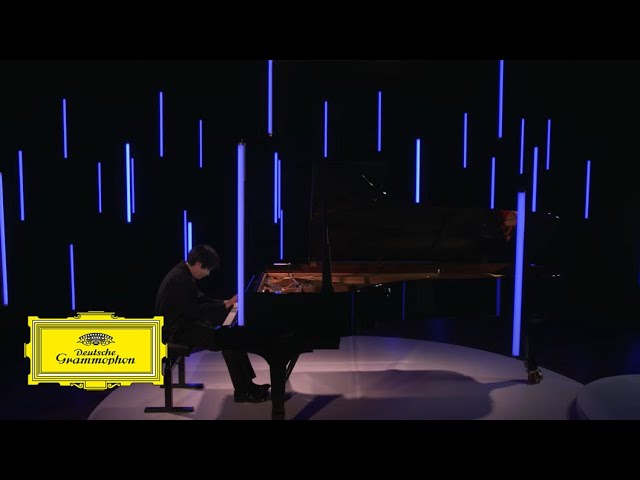
Mao Fujita is one of Japan’s top-tier pianists.
He’s a phenomenal talent who won second prize at the even more demanding International Tchaikovsky Competition, surpassing even the Chopin Competition in level.
Here is one of his outstanding performances: Maurice Ravel’s Pavane pour une infante défunte.
While the piece is at a level that even intermediate players can tackle, there are very few who can perform it with this degree of polish and expressive depth.
If you want to hear the real deal, he’s a pianist you should definitely check out.

Lyric Pieces, Book X, Op. 71 No. 2: Summer EveningEdvard Grieg

Just from the title “Summer Evening,” this piece perfectly matches the theme of this article, doesn’t it? Known also for works like “Morning” from the Peer Gynt Suite, the Norwegian composer Edvard Grieg wrote a collection of 66 piano pieces titled Lyric Pieces.
“Summer Evening,” the second piece of Op.
71 in Book 10, is a gem of lyrical beauty rendered with a delicate, subtle touch, and it even carries that faintly cool, distinctly Nordic quality.
It seems like an ideal piano piece to listen to during a hot summer.
While it may not be widely known, it’s sometimes selected for compilations of classical music recommended for summer.
It’s a hidden masterpiece for piano that I highly recommend!

Poignant and Beautiful! Recommended Piano Pieces (91–100)
SummerHisaishi Joe
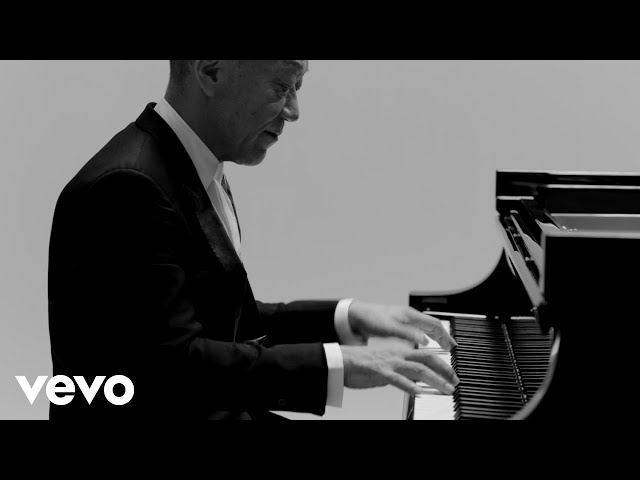
A masterpiece among masterpieces by Joe Hisaishi, the composer Japan proudly presents to the world and a familiar name from Studio Ghibli films! When you think of Hisaishi, you can’t separate him from Takeshi Kitano’s works any more than from Ghibli.
“Summer” is the main theme of Kitano’s 1999 film Kikujiro.
The original “Summer” is structured with a main theme and subordinate motifs and is written as an ensemble rather than a solo piano piece.
However, Hisaishi himself often performs it as a piano piece at concerts, and it is included on his solo piano album ENCORE.
Please savor the melody—light yet tinged with longing—that conjures up distant summer landscapes, performed on piano by Hisaishi himself!