

Poignant and beautiful! A collection of recommended piano pieces

Among the many musical instruments, the piano is one of the most familiar, and it’s a quintessential instrument that makes you admire anyone who can play it.
Melancholic melodies can draw you into their world before you know it.
In this article, we’ll introduce popular piano pieces themed around “sadness.” In addition to classic standards, we’ve gathered a rich variety of poignantly beautiful, piano-centered works featured in soundtracks for films, anime, and video games.
If you love wistful piano music, this is a must-check!
- Piano × Dark Pieces: Classic Masterworks to Sink Deep into Sorrow
- Masterpieces of classical piano that are too beautiful for words. A gathering of delicate tones that cleanse the soul.
- [Piano × J-POP] Tearjerker! A Selection of Moving/Touching Songs
- [Classical Piano Masterpieces] A carefully selected collection of moving pieces that will bring you to tears
- [For Adults] Recommended for Piano Recitals! A Curated Selection of Impressively Sounding Masterpieces
- [Beginner] Recommended for adult piano beginners! Beautiful & stylish piano pieces
- Beautiful Melodies: A Collection of Masterpieces and Moving Piano Songs
- Today's Piano: Masterpieces and Popular Pieces Woven with Delicate Tones
- [J-POP] I want to listen to songs with impressive, beautiful piano tones! Recommended piano cover tracks
- [Masterpiece Classics] A special showcase of gem-like masterpieces so beautiful they’ll move you to tears
- It’s so cool if you can play these on the piano! A selection of irresistibly charming masterpieces.
- [For when you want to cry or feel sad] Tear-jerking masterpieces that make you cry when you listen
- [Intermediate Level] Cool Piano Pieces You Can Play [Great for Recitals Too]
Heartachingly beautiful! Recommended piano pieces (71–80)
Fantasy Pieces: Elegy (Lament), Op. 3-1 in E-flat minorSergei Rakhmaninov

Sergei Rachmaninoff, the great composer who produced numerous masterpieces.
This time, I’d like to introduce one of them: Elegie (Élégie) in E-flat minor, Op.
3 No.
1 from Morceaux de fantaisie.
As the title “Elegie” suggests, the piece is characterized by a weighty melody imbued with a sense of tragic pathos.
Many listeners may recognize it from figure skater Patrick Chan’s program, in which he used this piece.
Why not let yourself be intoxicated by a melody that reveals beauty within its gravity?

Gaspard of the Night, No. 1: OndineMaurice Ravel

If you’re well-versed in French literature, the title Gaspard de la nuit may remind you of the poetry collection by Aloysius (Louis) Bertrand, born in 19th-century France.
The work discussed here, however, is Maurice Ravel’s suite for solo piano, a piece of the same name inspired by three poems included in Bertrand’s collection.
Of the three movements, given our theme of “music to hear in the hot summer,” let’s focus on the first, Ondine.
“Ondine” is the name of the water spirit among the four classical elements; in Japanese, the form “Undine” may be more familiar.
When it comes to Ravel’s water-themed piano works, Jeux d’eau often comes to mind, but Ondine is a piece you should certainly know as well.
It portrays the story of an ondine who falls in love with a human, expressing both the spirit’s heartbreak and the image of heavy rainfall through Ravel’s characteristically sophisticated technique—an exquisite, delicate, and dramatic masterpiece.

Elegy in C minor, Op. 24Gabriel Fauré

This is a masterpiece of French modern music, distinguished by its sweet, delicate sonority and richly expressive melody.
It opens with a quietly profound, wistful introduction, builds to a passionate climax in the middle section, and returns to stillness at the end, a three-part form that leaves a deep impression on the listener.
Within its unhurried tempo, the subtle harmonies and beautiful melodic lines convey the elegance and warmth characteristic of French music.
This work, which showcases a superb balance between solo cello and orchestra, was featured at the 2022 Beijing Winter Olympics, accompanying performances by figure skating gold medalists.
It is a perfect piece for those studying cello or piano who wish to experience the allure of Romantic-era music.
Heartrending and beautiful! A selection of recommended piano pieces (81–90)
Gnossienne No. 1Erik Satie
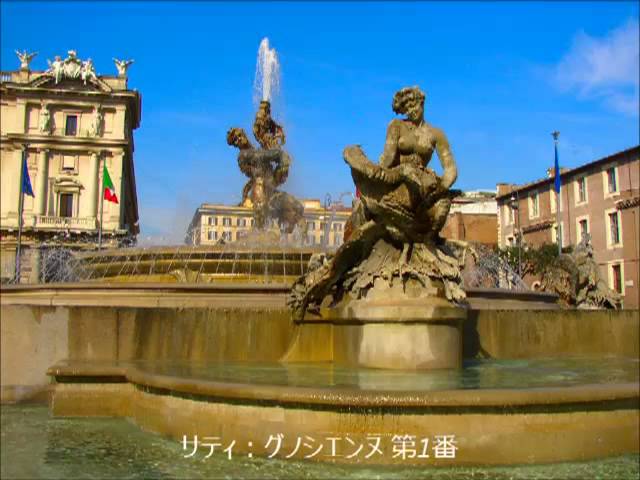
Even when we say “dark music,” there are many kinds.
Some are tragic, while others evoke a sense of beauty.
This time, I’d like to recommend something surreal and dark: Gymnopédie No.
1.
It was composed by Erik Satie, an iconoclast of the music world known for his surreal style.
Its calmly mechanical melody, as if you’ve wandered into a labyrinth, is outstanding.
Rather than a song to wallow in sadness, it’s perfect for times when you want to sink into thought.
Consolation (Comfort) No. 3Franz Liszt

One piece from Consolations, a piano collection composed by the piano magician Franz Liszt.
Unlike many of Liszt’s other works that require his signature “transcendental virtuosity,” this set contains more serene pieces and is known for being relatively approachable within his oeuvre.
No.
3 is especially famous and is a popular choice for recitals.
Aim for evenness in the left-hand accompaniment, sing out the elegant melody, and perform with deep expression.

24 Preludes, Op. 28 No. 15 “Raindrop”Frederic Chopin

Famous under the title “Raindrop,” this piano piece is the 15th work in Frédéric Chopin’s 24 Preludes, Op.
28, which he completed on the island of Majorca in 1839.
Chopin had gone to Majorca, Spain, to recuperate, and since it happened to be a period of persistent rain, it’s said that this environment influenced the completion of “Raindrop.” Within its restrained notes, the sound of rain is rendered with exquisite sensitivity and touch, endlessly beautiful; simply listening seems to convey the perspective from which Chopin viewed the “rain.” Like a shower that brings a touch of coolness to sweltering summer days, if you attune your ears to the beautiful tones of “Raindrop,” you might forget the heat—if only for that moment.
Piano Sonata No. 8 “Pathétique,” Second MovementLudwig van Beethoven
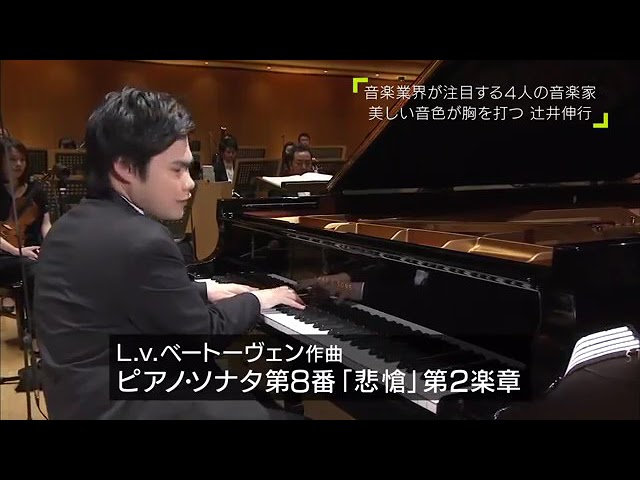
Beethoven’s Piano Sonata No.
8 “Pathétique” is a defining work from his early piano compositions.
Among its movements, the second is often said to be one of the most beautiful melodies Beethoven ever wrote, and it has been used frequently in films and television dramas.
While the melody is simple and the range not particularly wide, the accompanying parts are sonically rich, so the melody can easily get buried unless you listen carefully and balance the voices during performance.
Aim to play gently, being mindful of the gracefully flowing, soothing melody that warmly envelops the listener, as well as the weighty chords that support it.