
[Special Feature on the Yo-na-nuki Scale] Hit Songs and Classics That Evoke Nostalgia and a Sense of Wa (Japanese Aesthetics)


The “yo-na-nuki” scale evokes quintessential Japanese sentiment and harmony.
The yo-na-nuki scale is a five-note scale that omits the fourth and seventh degrees, and it spread during the Meiji era as a stepping stone to familiarize people with Western music.
Despite its long history, this scale actually appears in music close to us—from massive hits everyone knows to the latest J-pop! In this article, we’ll introduce famous songs that use the yo-na-nuki scale effectively.
That song that feels somehow nostalgic, the one that draws you into its wistful atmosphere… The secret might just lie in the scale!
- [Japan] A collection of J-pop with a traditional Japanese (wa) vibe and Japanese-style taste
- A catchy tune that sounds familiar
- A nostalgic song—a timeless classic that somehow feels familiar and touches the heart.
- The nostalgic atmosphere tugs at your heartstrings. Tear-jerker songs from the Showa era.
- [Piano × J-POP] Tearjerker! A Selection of Moving/Touching Songs
- [Japanese-style Piano Pieces] A selection of recommended works with a pleasantly Japanese flavor
- [Gratitude, Encouragement, Memories] Tear-Jerking Graduation Songs You Can’t Listen to Without Crying [2026]
- [2026] Grabs Your Heart! Songs with Cool Intros. Classic Tracks with Electrifying Openings
- [March 2026] Trending Songs: A roundup of the hottest viral tracks right now
- J-POP to Play on Piano | A Curated Selection of Beautiful, Soul-Cleansing Ballads
- Recommended for the Yutori generation! Tear-jerking masterpieces from the J-pop scene
- Evokes the charm of the good old days. Showa-era inspirational songs that are still loved today.
- Nothing but masterpieces! Hit songs from the Reiwa era that are perfect for background music
[Feature on Yo-nanuki Scales] Hit and Classic Songs with Yo-nanuki Scales that Evoke Nostalgia and a Japanese Aesthetic (31–40)
SubaruTanimura Shinji

Subaru is a song released in 1980 as a solo work by Shinji Tanimura of the new music band Alice.
There are many songs that use the yonanuki (pentatonic) scale, each revealing different facets, but this piece in particular gives a distinctly nostalgic impression.
Released in the midst of the Showa era and becoming a massive hit, it stands as a representative number of that time—many people say it brings back memories of that era when they hear it.
It is a masterpiece that magnificently captures the sentiment of its age and proclaims it in a soaring voice.

smileikimonogakari

Ikimono-gakari’s songs also use the yo-na-nuki scale, don’t they? Their catalog ranges from deeply moving ballads to fun, high-energy party tunes, but “Egao,” released in July 2013, is a gentle pop song that somehow puts you at ease.
This kind of tenderness is a hallmark of the yo-na-nuki scale.
Since it was also the theme song for the Pokémon movie, it’s a track the whole family can enjoy.
summer festivalWhiteberry

The girls’ band Whiteberry’s cover of JITTERIN’JINN’s “Natsu Matsuri.” This song really feels like the perfect moment for the yonanuki scale to shine, doesn’t it? The yonanuki scale is a nostalgic, Japanese-sounding scale used in enka and folk music.
I think this track makes excellent use of the atmosphere that scale brings.
It’s a wonderful rock tune that captures the traditional excitement of a summer festival—set to taiko drum rhythms—through a Japanese-style melody built on the yonanuki scale.
Bacchi DancerDOES
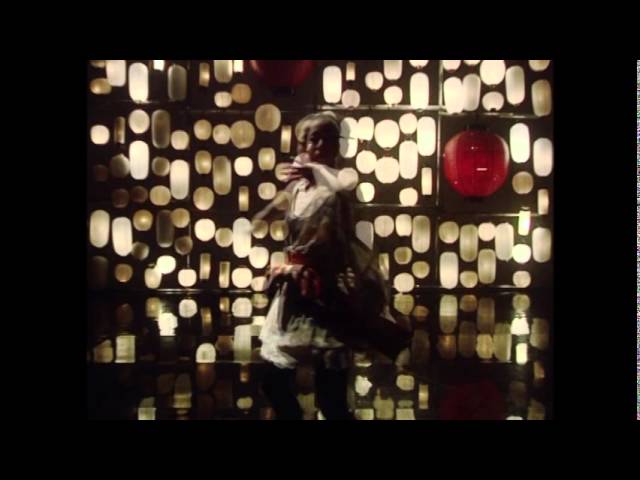
Listeners of the rock band DOES have likely felt that vaguely “Japanese” flavor in their music.
This comes from their use of the yo scale (yonanuki) and the Okinawan-style niro-nuki scale.
What’s remarkable is how often they employ these scales across many songs—and turn them into hits.
The yo scale’s catchy, familiar feel combined with their powerful, straightforward performance style—these two elements together form DOES’s identity.
Be sure to check out their other tracks too!
Sweetest DevotionAdele

“Sweetest Devotion,” a 2015 release by British singer Adele.
With its beautiful melody, it’s an empowering song that delivers a heartfelt message of love.
The strength of the chorus melody is remarkable, making it a great track to listen to when you’re feeling a bit down and need a push forward.
This song also uses the yo scale (pentatonic without fa and ti), so if you listen with that in mind, it may feel somewhat nostalgic—even though it comes from a foreign land.