
[Classical] Exquisite Tones: Masterpieces and Popular Pieces for Pipe Organ


Among the many musical instruments, the pipe organ is known as the “king of instruments,” with a history so ancient that its origins are said to trace back to the panpipes of Greek mythology.
Even today, it stands with a commanding presence in churches and concert halls.
The resonance of the pipe organ’s tone is both sacred and majestic.
It features manuals for the hands and a pedalboard for the feet, and by combining a variety of stops, it can produce a powerful, orchestra-like sound.
This time, we present a selection of classical masterpieces that put the pipe organ center stage!
- J.S. Bach | Introducing Famous and Representative Works
- [Masterpiece Classics] A special showcase of gem-like masterpieces so beautiful they’ll move you to tears
- A catchy tune that sounds familiar
- [Subwoofer Required] Popular tracks with deep, heavy bass — recommended songs
- Songs that hype you up just by listening—recommended tracks from timeless classics to the latest releases
- [Baroque Music] A Curated Selection of Timeless Masterpieces and Famous Works
- A moving masterpiece that sings of the desire for forever and eternity
- J.S. Bach Popular Songs Ranking [2026]
- Today's Piano: Masterpieces and Popular Pieces Woven with Delicate Tones
- Masterpieces for Harp: A curated selection of distinguished works featuring noble and delicate tones
- Baroque Music on the Piano: A Curated Selection of Masterpieces Perfect for Recitals and Concerts
- A spine-chilling scary song: masterful tracks that evoke fear and eerie recommended songs
- [Songs of Bereavement] Songs about losing a loved one. Tracks to listen to while thinking of someone dear
[Classical] Exquisite tones: Masterpieces and popular pieces for pipe organ (31–40)
Batalla ImperialJuan Cabanilles
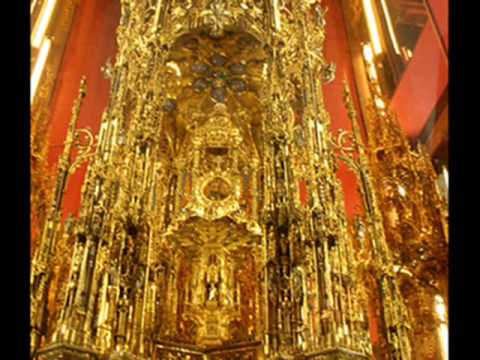
He was a 17th-century Spanish organist and composer who was active at Valencia Cathedral (the Cathedral of Saint Mary).
Many consider Cabanilles to be one of the great composers of the Spanish Baroque, and he is sometimes called the “Spanish Bach.” Much of Cabanilles’s music was virtuosic for its time—highly technically demanding and forward-looking.
This piece, titled “Batalla Imperial” (Imperial Battle), conveys the ferocity and valor of warfare, and for an organ work it is notably dense and unmistakably virtuosic.

12 Pieces, Op. 59: VI. Fugue in D MajorMax Reger

Max Reger was a German musician active in the 20th century who gained particular renown for his organ works.
Reger was known for his hearty personality, indulging in heavy smoking and drinking, and he left behind numerous anecdotes and amusing tales.
Owing to his nearly two-meter height and weight of over 100 kilograms, he was also called “Germany’s largest musician.” This fugue combines complex counterpoint in the manner of Bach with Classical-era forms found in Beethoven and Brahms, along with the expanded harmonies of Liszt and Wagner, resulting in a work of considerable richness and depth.
In conclusion
The pipe organ alone has a way of making you feel solemn just by listening. As you might expect, there are many works by J.S. Bach, who was also known as a “master organist,” but I hope you also felt the abundant appeal of pieces by other composers. The pipe organ is an instrument best experienced with the resonance of the actual space. If you get the chance, please go hear a live performance.