

Ranking of Popular Oldies and Classic Songs [1960s Japanese Music Rankings]

We present the latest top 100 ranking of classic Japanese pop songs, all at once, ordered by the highest number of plays!
We’ve picked out nostalgic hits from the 1960s!
Listening again, you’ll notice many songs are still being revived today.
Be sure to check them out.
The playlist is updated weekly.
- Nostalgic Japanese hit songs from the 1960s. A collection of popular Showa-era classic melodies.
- Classic and hit kayōkyoku songs from the nostalgic 1960s
- Classic and hit Japanese pop songs from the nostalgic 1960s
- Hit songs in Japan in the late 1960s
- Popular Oldies and Classic Songs Ranking: 1970s Japanese Music
- [Recommended for people in their 70s] Classic nostalgic hits: A collection of youth songs
- A collection of nostalgic hit songs and classics from the 70s
- A roundup of classic Showa-era kayō songs: a comprehensive introduction to timeless tracks loved across generations.
- [Today's Recommended Nostalgic Songs] Memories from those days come flooding back! A collection of gem-like classics
- Good songs recommended for people in their 60s: classic and popular Japanese tracks
- Popular Showa-era pop. Timeless hit songs.
- Popular Japanese songs among men in their 60s: recommended masterpieces and classic tracks
- A heartbreak song that resonates in the chest of a man in his 60s: memories of youth woven by classic Showa-era masterpieces
Popular Oldies and Classic Songs Ranking [1960s Japanese Music Ranking] (71–80)
Midnight DoorMatsubara Miki78rank/position

When it comes to city pop that’s gone viral on TikTok, many people probably think of “Mayonaka no Door – Stay With Me.” It’s a song released in 1979 by singer Miki Matsubara.
Set to a moody, chorus-tinged sound, it portrays the loneliness of a woman spending the middle of the night alone.
The sophisticated vibe—featuring elements like a trumpet solo—may be one reason for its enduring appeal.
Incidentally, on TikTok, a cover by Indonesian singer Rainych has also been drawing attention.

stationTakeuchi Mariya79rank/position

This is the 16th single by Mariya Takeuchi—an iconic singer-songwriter in the city pop genre, which has seen a global revival.
It’s a self-cover of a song she originally wrote for the legendary idol singer Akina Nakamori, released as a double A-side with “AFTER YEARS.” The bittersweet lyrics set to a wistful melody evoke the complex emotions of a breakup you thought you’d moved past but still lingers somewhere in your heart.
Also used as the theme song for the film “Goodbye Mama,” it is one of Mariya Takeuchi’s signature tracks.

Between the Sky and YouNakajima Miyuki80rank/position

Singer-songwriter Miyuki Nakajima holds the remarkable record of topping the singles chart across four decades, from the 1970s through the 2000s.
Her 31st single, Between the Sky and You, released as a double A-side with Fight!, became a million-selling hit as the theme song for the TV drama A Homeless Kid, which sparked a major social phenomenon.
The sentimental lyrics, woven through her trademark powerful vocals, instantly bring scenes from the drama to mind as you listen.
It’s an emotional number that’s sure to draw attention at karaoke, especially with people from that generation.
Popular Oldies and Classic Songs Ranking [1960s Japanese Music Ranking] (81–90)
You are in full color.Ohtaki Eiichi81rank/position

This is a masterpiece by Eiichi Ohtaki, who left a profound mark on the history of Japanese pop music.
Released in March 1981, the song was also included on the album “A LONG VACATION” and captured the hearts of many.
Its delicate lyrics depict the sweetness of romantic memories alongside the premonition of parting.
The striking chorus line, “Memories are monochrome,” is said to have been inspired by lyricist Takashi Matsumoto’s personal experiences.
Ohtaki’s rich, layered production—often called the Japanese version of the Wall of Sound—beautifully brings the lyrical world to life.
It’s a recommended track for anyone who has experienced heartbreak or wants to bask in nostalgia.
Rainy BlueTokunaga Hideaki82rank/position

A quintessential Showa-era ballad and Hideaki Tokunaga’s debut song.
His husky yet clear, beautiful voice perfectly conveys a poignant mood that evokes the lingering afterglow of a love shrouded in rain.
Released in January 1986, the lyrics were written by Makoto Oki, with the composition by Tokunaga himself.
The song is notable for its lyrics depicting the feelings of someone still haunted by a love that has ended.
A memorable ballad you’ll want to hear on a rainy day, it continues to be cherished across generations.
Romantic Flightkome kome CLUB83rank/position

This song captures the spirit of adventure in love and dreams, carried by a light, upbeat rhythm, and expresses the feeling of taking off into the unknown with a free spirit.
Crafted by Kome Kome Club, who blend a funky sound with a positive message, it was released in April 1990 and is known as one of the group’s signature works.
It also drew attention as the tie-in song for JAL’s “Okinawa Travel” campaign and topped the Oricon weekly chart.
With its highly entertaining, stage-ready flair, the track delivers a sense of exhilaration and refreshment, as if you’re soaring through the sky.
Even today, it remains a beloved song across generations.
I like you, I like you—I love you.Togawa Jun84rank/position
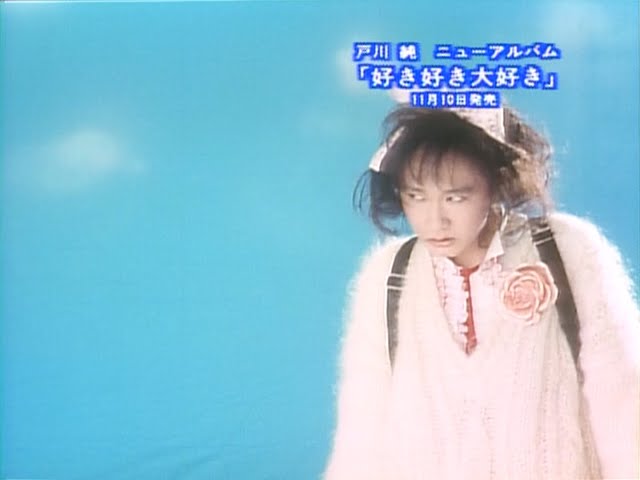
Jun Togawa’s music is known for its distinctive worldview and expressive power.
This work, which depicts extreme expressions of affection and explosive, intense emotions, may at first seem like a love confession, yet it portrays a form of love with violent and obsessive aspects.
Released in November 1985 as the title track of its album, it was produced and art-directed by Togawa herself.
Its title, inspired by the works of R.
D.
Laing, and its unique vocals are particularly notable.
In recent years, it has become a viral hit among overseas TikTok users, gaining a new fan base.
Highly recommended for those who resonate with fierce emotional expression or who want to explore fresh facets of Showa-era kayō music.