

Ranking of Popular Oldies and Classic Songs [1960s Japanese Music Rankings]

We present the latest top 100 ranking of classic Japanese pop songs, all at once, ordered by the highest number of plays!
We’ve picked out nostalgic hits from the 1960s!
Listening again, you’ll notice many songs are still being revived today.
Be sure to check them out.
The playlist is updated weekly.
- Nostalgic Japanese hit songs from the 1960s. A collection of popular Showa-era classic melodies.
- Classic and hit kayōkyoku songs from the nostalgic 1960s
- Classic and hit Japanese pop songs from the nostalgic 1960s
- Hit songs in Japan in the late 1960s
- Popular Oldies and Classic Songs Ranking: 1970s Japanese Music
- [Recommended for people in their 70s] Classic nostalgic hits: A collection of youth songs
- A collection of nostalgic hit songs and classics from the 70s
- A roundup of classic Showa-era kayō songs: a comprehensive introduction to timeless tracks loved across generations.
- [Today's Recommended Nostalgic Songs] Memories from those days come flooding back! A collection of gem-like classics
- Good songs recommended for people in their 60s: classic and popular Japanese tracks
- Popular Showa-era pop. Timeless hit songs.
- Popular Japanese songs among men in their 60s: recommended masterpieces and classic tracks
- A heartbreak song that resonates in the chest of a man in his 60s: memories of youth woven by classic Showa-era masterpieces
Popular Oldies and Classic Songs Ranking [1960s Japanese Music Ranking] (51–60)
Seaside BoundZa Taigāsu57rank/position

When it comes to heart-thumping numbers that conjure dazzling sunshine and a blue sea, this early masterpiece by The Tigers surely comes to mind.
Released in May 1967, the track bursts with a rhythm that makes you want to dance with someone you love, perfectly capturing the exhilaration of a summer romance.
You can almost see the radiant smiles of young people whispering sweet nothings by the shore, and just listening lifts your spirits.
Skillfully blending traditional Japanese rhythmic sensibilities with rock ’n’ roll, the song became a massive hit, ultimately selling over 500,000 copies.
It was also included on the album “The Tigers: The World Is Waiting for Us,” and gained popularity as the theme song for the drama “Yattaze Baby!” as well as a chant for Shonan Bellmare.
It’s a timeless summer anthem—ideal for a summer drive or seaside BGM, and a perfect gateway for those who want to experience the GS sound.
I’m in trouble.Yamamoto Rinda58rank/position

Released in 1966 as Linda Yamamoto’s debut single.
Despite being her debut, it sold over 700,000 copies in total, and she made her first appearance on the 18th NHK Kōhaku Uta Gassen that same year.
Her distinctive slightly lisping singing style drew attention, and it also became a talking point that she performed in a pink miniskirt at her first Kōhaku appearance.
4:00 A.M.Ohnuki Taeko59rank/position

This is a masterpiece by Taeko Ohnuki that captures the stillness before dawn.
It was included on the album “MIGNONNE,” released in September 1978, and features a delicate arrangement by Ryuichi Sakamoto that truly shines.
The lyrics depict the loneliness of 4 a.m., conveying a heartfelt wish for another chance during a time of introspection.
The synthesizer tones are striking, giving it a vibe that feels ahead of the 1980s music scene.
It might be the perfect song for night owls or for those standing at a crossroads in life.
Ruby RingTerao Akira60rank/position

Mr.
Akira Terao, who has left behind numerous masterpieces as a renowned actor.
For those in their 60s, his image as a singer may be even stronger than his image as an actor.
Many were likely surprised that he wasn’t just a one-hit wonder, but kept releasing hits with an unwavering, cool musical style.
Ruby no Yubiwa is his biggest hit.
While the lowest note drops to a very low low G, there are solid moments of lift within its cool, understated mood—such as a key change toward the end.
Despite the modulation, the piece has a narrow vocal range, so you might even try raising the key on purpose and experimenting with a more powerful delivery different from the original.

Popular Oldies and Classic Songs Ranking [1960s Japanese Music Ranking] (61–70)
Tsubpari High School Rock ’n’ Roll (Going-to-School Edition)Yokohama Ginbae61rank/position
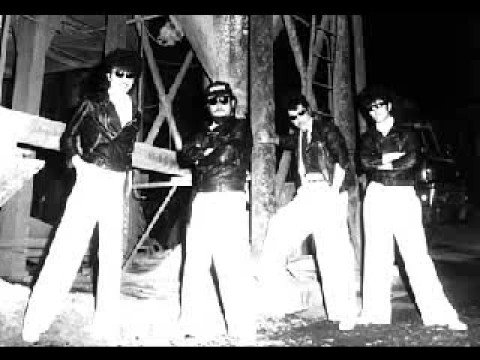
This is a single released in January 1981 that portrays the relationship between a headstrong high schooler and their parent with lively rock ’n’ roll.
The lyrics follow a 7-7-7-5 meter, creating a pleasing sense of rhythm and comically expressing the inner world of a rebellious youth.
While it vividly depicts the style and behavior of a delinquent, it’s also a nuanced work that reveals glimpses of care for the mother and a search for one’s own way of life.
It has remained beloved across generations, appearing in a 2008 commercial for Suntory’s canned chuhai “Calori.” and covered in a 2011 Asahi Soft Drinks “Jurokucha” ad featuring Yui Aragaki.
Today, it’s a trending track for posting dance videos on social media with simple, modern choreography.
Love Song of LumMatsutani Yūko62rank/position

This is a pop tune that sings of the thrill and heartache of first love.
Released as a debut single in October 1981, it was performed by Yuko Matsutani as the opening theme for the anime Urusei Yatsura.
The heroine’s single-minded passion for love and her complex feelings over her partner’s fickleness are conveyed through a breezy melody and striking syncopation.
Although it served as an image song for the anime, it adopted an innovative approach during production by omitting character names from the lyrics, capturing the hearts of many as a universal love song.
Its catchy rhythm and sweet, wistful vocals sound as if they’ve turned a lovestruck woman’s emotions directly into music.
It’s a track that still resonates with today’s youth.
12th graderFunaki Kazuo63rank/position

As a classic of 1960s campus songs, this is a landmark of youth kayō that passionately captures the wavering emotions of teenagers.
It was recorded when Kazuo Funaki was actually a third-year high school student, and his fresh vocals breathe life into the song.
Released in June 1963, it became a massive hit, surpassing one million copies in less than a year, and it won the Best New Artist Award at the 5th Japan Record Awards.
A film of the same title was also released, and with this debut song, Funaki quickly rose to stardom.
Depicting the complex feelings of high school students on the brink of graduation, this work has continued to be loved by a wide range of generations—from adults nostalgic for their school days to current students.