

Ranking of Popular Oldies and Classic Songs [1960s Japanese Music Rankings]

We present the latest top 100 ranking of classic Japanese pop songs, all at once, ordered by the highest number of plays!
We’ve picked out nostalgic hits from the 1960s!
Listening again, you’ll notice many songs are still being revived today.
Be sure to check them out.
The playlist is updated weekly.
- Nostalgic Japanese hit songs from the 1960s. A collection of popular Showa-era classic melodies.
- Classic and hit kayōkyoku songs from the nostalgic 1960s
- Classic and hit Japanese pop songs from the nostalgic 1960s
- Hit songs in Japan in the late 1960s
- Popular Oldies and Classic Songs Ranking: 1970s Japanese Music
- [Recommended for people in their 70s] Classic nostalgic hits: A collection of youth songs
- A collection of nostalgic hit songs and classics from the 70s
- A roundup of classic Showa-era kayō songs: a comprehensive introduction to timeless tracks loved across generations.
- [Today's Recommended Nostalgic Songs] Memories from those days come flooding back! A collection of gem-like classics
- Good songs recommended for people in their 60s: classic and popular Japanese tracks
- Popular Showa-era pop. Timeless hit songs.
- Popular Japanese songs among men in their 60s: recommended masterpieces and classic tracks
- A heartbreak song that resonates in the chest of a man in his 60s: memories of youth woven by classic Showa-era masterpieces
Popular Oldies & Classic Songs Ranking [1960s Japanese Music Ranking] (21–30)
Light Blue RainYagami Junko29rank/position

Released in 1978, this is Junko Yagami’s biggest hit.
It has been covered by many famous artists, including Tatsuya Ishii and Aya Matsuura.
After Yagami finished composing the music, she commissioned several lyricists and chose Tokiko Miura’s lyrics.
Imagining Yagami’s strong-willed persona, Miura wove in imperative statements—unusual for the time.
While the lyrics evoke a strong woman, they can also be felt as a portrayal of someone hiding her vulnerability and bravely putting on a tough front to endure her loneliness.

bullseyeYamamoto Rinda30rank/position

Linda Yamamoto, who took the nation by storm as a quintessential idol singer of the Showa era.
When her signature song was released in 1973, it became popular with people of all ages.
Its memorable phrase that begins with “Urara, urara” instantly captured listeners’ hearts and was even embraced as a baseball cheer song, earning affection across a wide audience.
The song’s appeal lies in its lyrics, which portray a confident, self-assured woman.
They express a strong will to make the most of one’s allure and obtain whatever one desires, offering courage to those who listen.
It’s a recommended track when you need a boost of support or want to regain your confidence.
Popular Oldies and Classic Songs Ranking [1960s Japanese Music Ranking] (31–40)
MissingKubota Toshinobu31rank/position

A song by Toshinobu Kubota, known as a quintessentially poignant ballad of the Showa era.
Featured on the album “SHAKE IT PARADISE,” this gem portrays the pain of heartbreak and the turmoil of the heart.
Its delicate vocals and melody resonate deeply with listeners, movingly expressing the sorrow of parting, lingering attachment, and the strong will to move forward.
Since its release in September 1986, it has been covered by many artists and cherished across generations.
It has also been used as a TV program’s ending theme, its allure continuing to shine across time.
A heart-stirring piece that stands by those who have experienced heartbreak.
FANTASYNakahara Meiko32rank/position
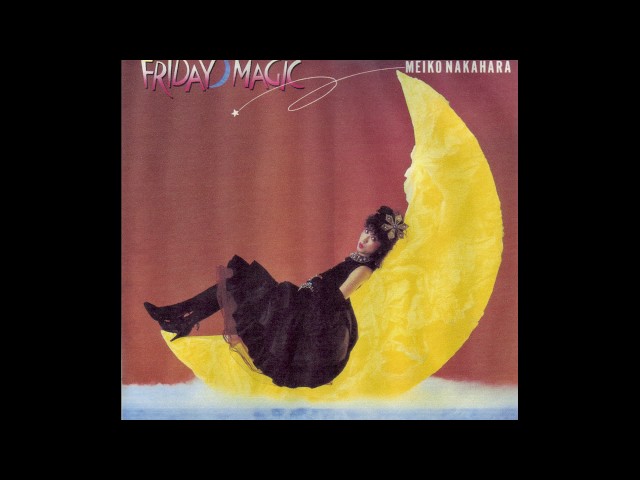
Let me introduce a positive break-up song, “FANTASY.” It’s a track sung by singer-songwriter Meiko Nakahara, included on her second album, “Cinderella Until 2 O’Clock – FRIDAY MAGIC -.” The lyrics portray a woman who, after a breakup, finds her way to a new love.
The song is dance-themed, with a relaxed, groovy sound you can move to.
It’s also a track that lends itself well to adding your own original choreography.

I look up as I walkSakamoto Kyu33rank/position

This is a song that continues to be loved as a classic representing the 1960s.
Rokusuke Ei’s heartwarming lyrics and Hachidai Nakamura’s melodious composition blend beautifully, and Kyu Sakamoto’s gentle voice resonates deeply with listeners.
The lyrics, filled with the strength to keep walking forward while holding back tears and the hope of believing in happiness no matter what, have supported many hearts.
Since its release in 1961, it has been a massive hit not only in Japan but around the world.
In particular, it became beloved in the United States under the title “SUKIYAKI,” achieving the remarkable feat of reaching No.
1 on the Billboard Hot 100.
It’s a song that gives you courage when you’re going through tough or sad times and want to face forward and keep trying.
Season of LovePinkī to Kirāzu34rank/position

Set to a stylish bossa nova groove, this song celebrates the flutter of a love just beginning.
It was the debut single released by Pinky & the Killers in July 1968.
Yoko Minamino’s expansive, slightly bittersweet vocals convey a pure sense of happiness that fills the heart.
The lyrics’ anticipation for a new “season” and the unstoppable feelings that come with it make your heart bloom just by listening.
The track spent 17 consecutive weeks at No.
1 on the Oricon charts, and its appeal remains undimmed—it was featured in a cold medicine commercial at the time and later in the 2009 film Evangelion: 2.0 You Can (Not) Advance.
It’s perfect for a summer drive or for those moments when you want to feel your heart race with the promise of new love.
Angel’s TemptationMayuzumi Jun35rank/position

Among the many hit songs that vividly colored summers in the Showa era, there are surely plenty of people who remember this classic, powerfully sung by Jun Mayuzumi, most of all.
Released in May 1968, the track blends a lively Group Sounds-style rhythm with a subtly exotic Hawaiian flavor—an ideal tune to heighten the mood of a summer resort getaway.
Jun Mayuzumi’s punchy yet coquettish vocals hint at a sweet and dangerous romantic game, captivating countless listeners.
The song won the 10th Japan Record Award, she starred in a film of the same title, and she also performed it on NHK’s year-end Kohaku Uta Gassen—proof of the fervor it stirred at the time, which has since become the stuff of legend.
It’s perfect for a summer drive, and a must-listen for anyone who wants to feel the atmosphere of that era.