

Ranking of Popular Oldies and Classic Songs [1960s Japanese Music Rankings]

We present the latest top 100 ranking of classic Japanese pop songs, all at once, ordered by the highest number of plays!
We’ve picked out nostalgic hits from the 1960s!
Listening again, you’ll notice many songs are still being revived today.
Be sure to check them out.
The playlist is updated weekly.
- Nostalgic Japanese hit songs from the 1960s. A collection of popular Showa-era classic melodies.
- Classic and hit kayōkyoku songs from the nostalgic 1960s
- Classic and hit Japanese pop songs from the nostalgic 1960s
- Hit songs in Japan in the late 1960s
- Popular Oldies and Classic Songs Ranking: 1970s Japanese Music
- [Recommended for people in their 70s] Classic nostalgic hits: A collection of youth songs
- A collection of nostalgic hit songs and classics from the 70s
- A roundup of classic Showa-era kayō songs: a comprehensive introduction to timeless tracks loved across generations.
- [Today's Recommended Nostalgic Songs] Memories from those days come flooding back! A collection of gem-like classics
- Good songs recommended for people in their 60s: classic and popular Japanese tracks
- Popular Showa-era pop. Timeless hit songs.
- Popular Japanese songs among men in their 60s: recommended masterpieces and classic tracks
- A heartbreak song that resonates in the chest of a man in his 60s: memories of youth woven by classic Showa-era masterpieces
Popular Oldies and Classic Songs Ranking [1960s Japanese Music Ranking] (31–40)
UFOpinku redii36rank/position

This is a smash hit by Pink Lady, distinguished by its innovative sense of rhythm and catchy melody.
Released as a single in December 1977, it held the No.
1 spot on the Oricon Weekly Singles Chart for 10 consecutive weeks and achieved an astonishing sales total of over 1.95 million copies.
It was also used in a Nissin Foods commercial and covered in the anime Crayon Shin-chan, making it beloved across generations.
Their performances in glittering silver costumes, combined with distinctive choreography, became a social phenomenon mimicked by children and adults alike.
If everyone joins in to sing its well-known phrases, it’s guaranteed to get the crowd fired up in an instant.
Sinbad on the Shorepinku redii37rank/position

Released in June 1977, this song is widely recognized as one of Pink Lady’s signature hits.
Set against a summery seaside backdrop, it’s a catchy pop track that vividly portrays the emotions of a woman falling in love, leaving a lasting impression on listeners.
It became Pink Lady’s first million-selling single and has continued to be cherished across various media for many years; today, it’s reportedly popular with younger generations as well through platforms like TikTok.
In 2005, it was even used as the theme song for Episode 2 of the NTV Wednesday 10 p.m.
drama “Otona no Natsuyasumi,” showing its cross-generational appeal.
It’s a perfect pick for the beach season—highly recommended as background music for seaside dates and creating summer memories.
The Day the Seagulls FlewWatanabe Machiko38rank/position
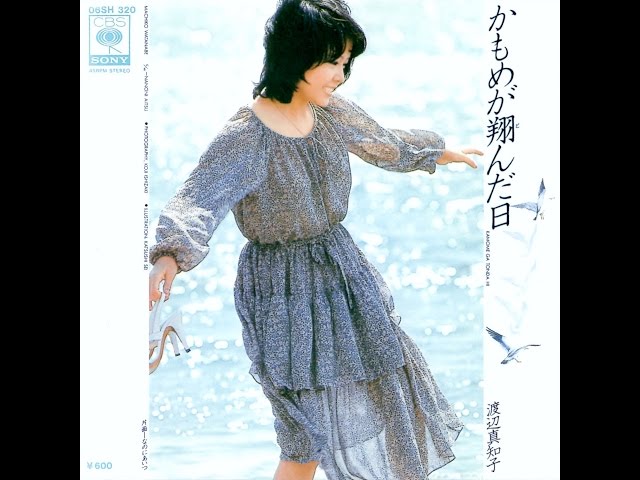
Set in a port town, this gem of a ballad poignantly portrays the pain of heartbreak.
Against the glittering morning seascape, the singer overlays her feelings for a departing lover onto a single seagull, creating a moving masterpiece.
Released in April 1978, it became one of Machiko Watanabe’s signature songs, peaking at No.
5 on the Oricon charts.
The track won numerous music awards and drew attention to her as a rising talent among female singers.
In 2007, it was adopted as a Chiba Lotte Marines cheer song, with a special stadium version also released.
A performance by Japan’s dance team Avantgardey, featuring their unique choreography, garnered significant buzz and boosted the song’s recognition among younger audiences.
It’s a recommended listen for anyone who can relate to a woman quietly accepting the pain of lost love, or for those who wish to revisit youthful memories alongside the scenery of a harbor town.
A Member of the Fire BrigadeRATS&STAR39rank/position

When it comes to classic summer scenes of the Showa era, you can’t leave out this song! This Rats & Star track has a comfortable Latin rhythm that feels like it turns the very heat of summer into music.
Released in April 1983, it became a massive hit, topping the Oricon charts.
Set on a summer beach, it briskly depicts a “stylish incident” sparked by an enchanting woman.
Listeners are sure to be captivated by the charm of the “dashing woman” who appears in the lyrics.
How about making summer memories by listening to this song at the beach or by the pool? It’s sure to become a wonderful page in your summer story!
Love VacationZa Pīnattsu40rank/position

Released to the world by The Peanuts in April 1963, this song features the seamless harmonies only a twin duo can achieve and a swinging rhythm infused with jazz elements that feels utterly pleasant.
Its lyrics vividly depict a sweet and slightly bold vacation with a lover—just listening to it makes your heart race, doesn’t it? The track was used in a Toray summerwear advertisement and is said to have helped popularize the word “vacance” (vacation) across Japan.
It also won the Arrangers’ Award at the 5th Japan Record Awards that same year and was performed at the 14th NHK Kōhaku Uta Gassen—truly a song that defined its era.
Brimming with charm, it’s a work that further heightens the liberating mood of summer.
Popular Oldies and Classic Songs Ranking [1960s Japanese Music Rankings] (41–50)
Blue ChateauJakkī Yoshikawa to Burū Komettsu41rank/position

Set against a blue castle surrounded by forests and springs, this iconic song from the 1960s gives voice to a bittersweet love.
Blending the essence of kayōkyoku into GS influenced by Western music, it captivates listeners’ hearts.
Released in January 1967, the song won the 9th Japan Record Award and secured a spot in the 18th NHK Kōhaku Uta Gassen, swiftly becoming a defining track of its era.
It’s recommended not only for those troubled by love, but also for anyone wishing to revisit their youthful days.
Why not immerse yourself in a world of sweet, wistful romance through the vocals of Jackie Yoshikawa?
The Door to SummerMatsuda Seiko42rank/position

A classic hit by Seiko Matsuda that evokes a refreshing summer breeze.
The lyrics overflow with youthful vitality, and together with the light, buoyant melody, they brilliantly capture the fluttering heartbeat of a girl in love.
Released in April 1981 as Matsuda’s fifth single, the song became a major hit.
It remains a beloved staple at her concerts, where the signature “Fresh!” call always sparks excitement.
It’s the perfect track for those whose hearts dance with summer romance or who fondly reminisce about their youth.