

[Sakura Quiz] Trivia & Fun Facts Quiz about Cherry Blossoms for Kids


Cherry blossoms, which color the streets in spring, actually hide plenty of little-known secrets.
If someone asked you, “What flowers are in the same family as cherry blossoms?” or “What does ‘full bloom’ really mean?” could you answer right away? In this article, we’ll bring you a wealth of cherry blossom trivia quizzes and fun facts that everyone from kids to adults can enjoy.
There are also easy questions for elementary school students, making it perfect for family hanami outings or school activities.
Try the quizzes and get to know the familiar cherry blossoms even better!
- [3-Choice Quiz] Cherry Blossom Trivia You'll Want to Share with Someone
- [For Elementary School Students] Trivia About April
- Recommended in March! A collection of surprising, little-known trivia that elementary school students will want to share
- [Sakura Quiz] Trivia & Fun Facts Quiz about Cherry Blossoms for Kids
- Trivia about cherry blossoms: a roundup of fun facts to make springtime hanami even more enjoyable
- Fun riddles that kids will love
- [Common Sense & Trivia] True-or-False Quiz with Knowledge for Elementary School Students
- Make cherry blossom viewing even more fun! A collection of recreation and game ideas to play with kids
- [Trivia] Challenge! Spring General Knowledge Quiz
- [For Kids] December Trivia Quiz & Fun Facts! Learn about seasonal events and traditions!
- [For Kids] Fun Facts & Trivia Quiz about Koinobori (Carp Streamers)
- [Disney Quiz] Quizzes about Disney’s history and theme parks
- Learn to Love the Rain! Fun Facts & Trivia Quiz about the Rainy Season for Kids
[Sakura Quiz] Trivia & Fun Facts Quiz about Cherry Blossoms for Kids (11–20)
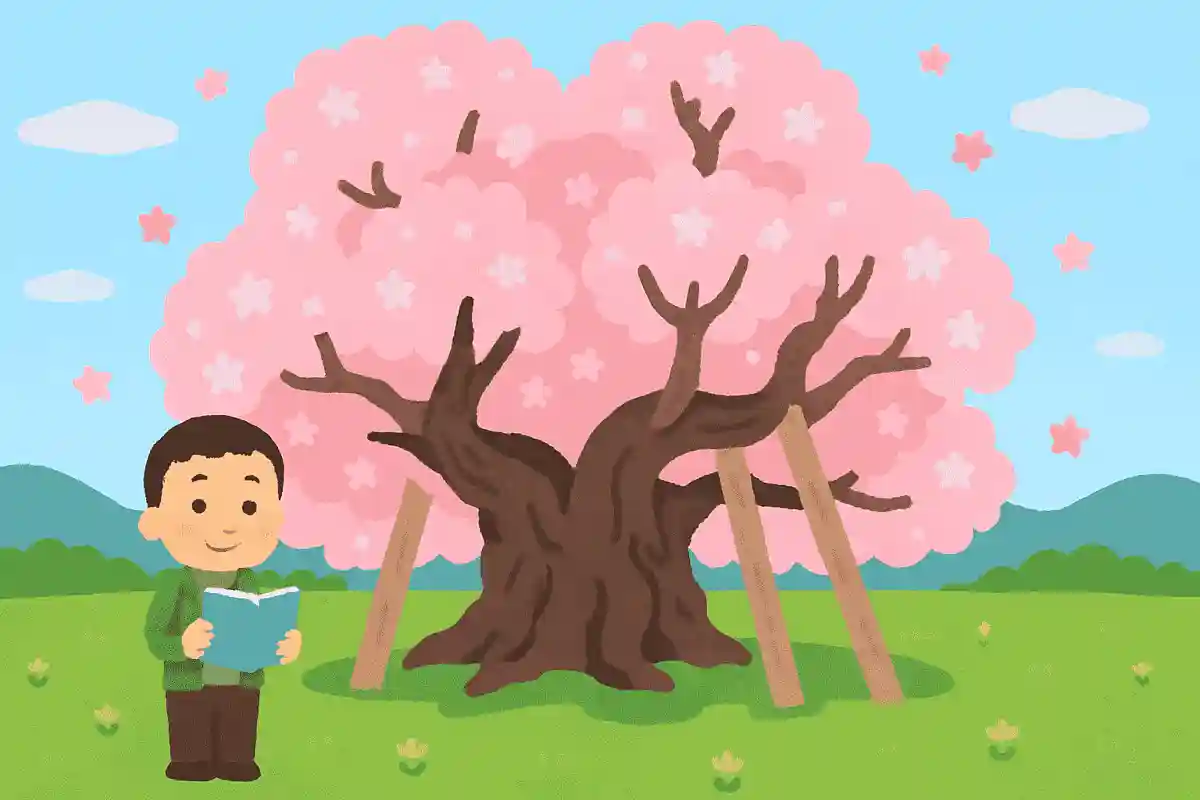
Where can the Yamataka Jindai-zakura, estimated to be 2,000 years old, be found?
- Yamanashi Prefecture
- Kyoto Prefecture
- Gifu Prefecture
See the answer
Yamanashi Prefecture
Yamataka Jindai-zakura, known as one of Japan’s three great cherry trees alongside Miharu Takizakura in Fukushima Prefecture and Usuzumi-zakura in Gifu Prefecture, is located in Hokuto City, Yamanashi Prefecture. Renowned both for its great age and its massive size, it has been designated a Natural Monument of Japan.

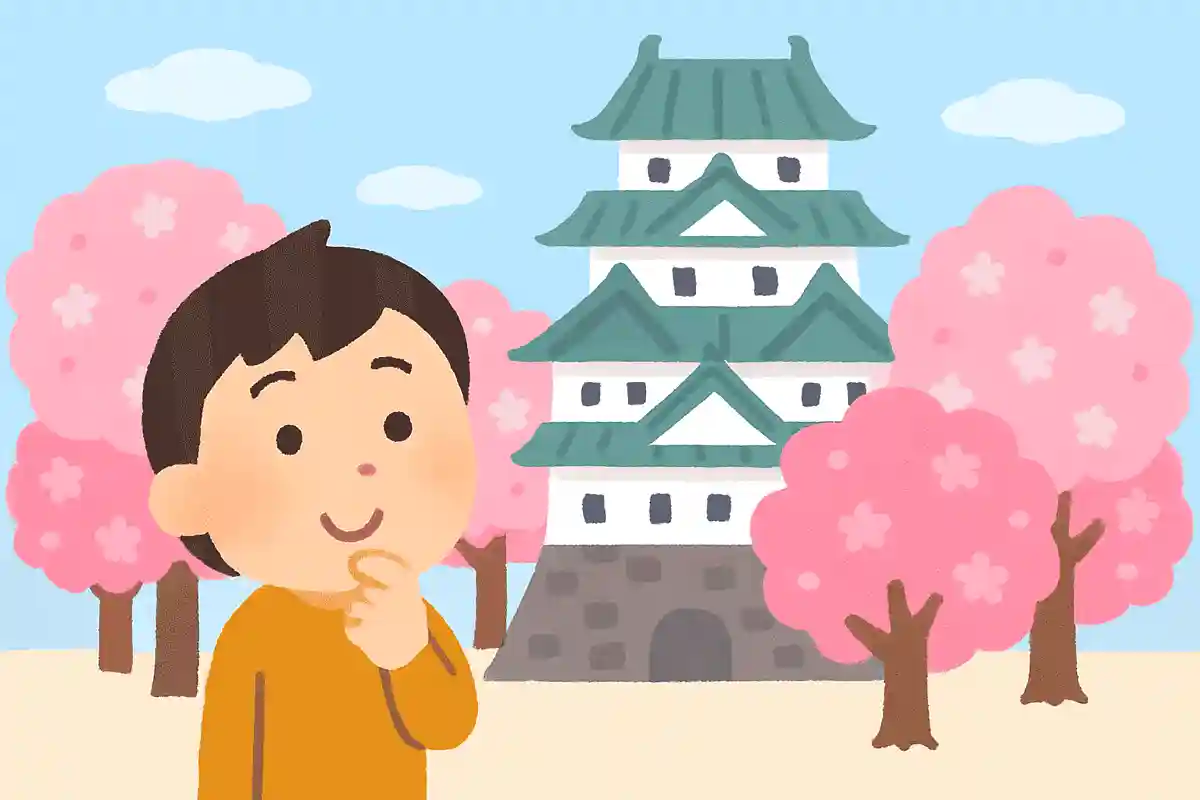
From what era were cherry trees planted around castles?
- Edo period
- Meiji era
- Taisho era
See the answer
Meiji era
It was from the Meiji period that cherry trees began to be planted around castles. Until then, there were not many cherry trees in castle gardens or their surroundings, but once the Meiji period began, many cherries were planted so that people could enjoy them as parks and scenic spots. In particular, Somei Yoshino trees were planted across the country, and in spring the areas around castles came to be adorned with beautiful cherry blossoms.

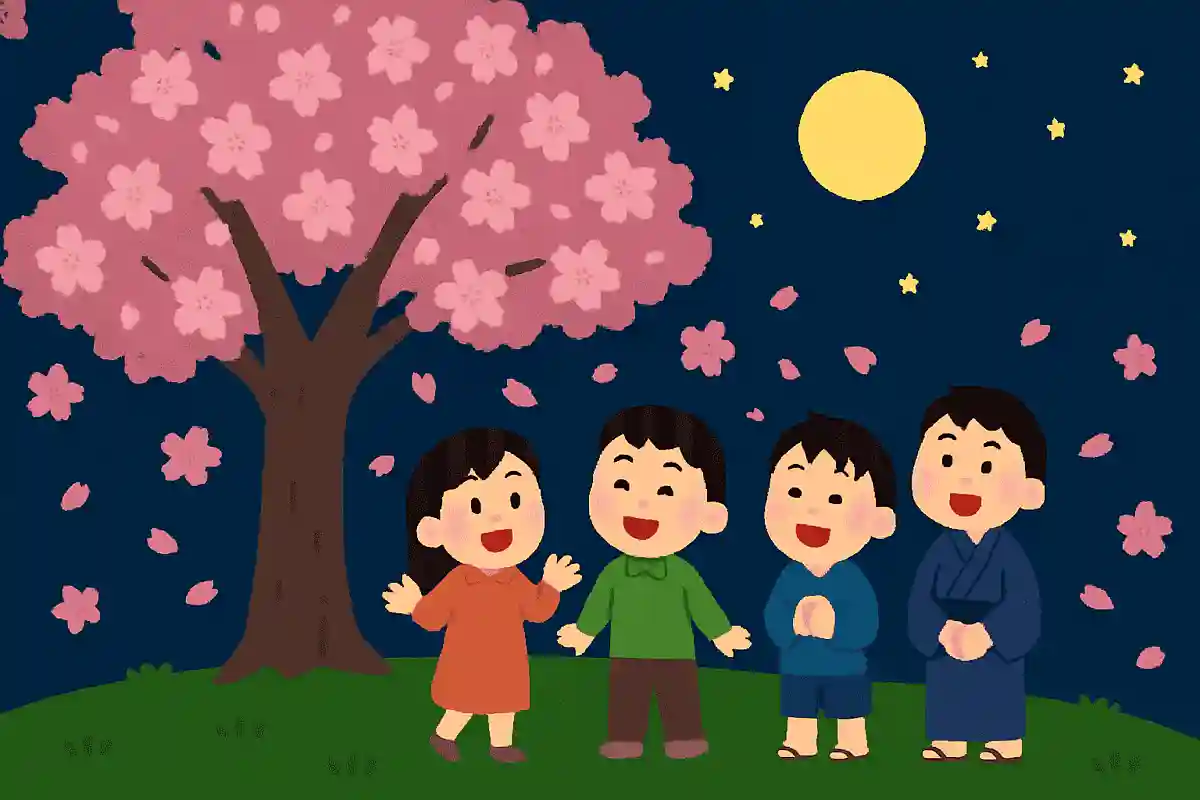
From which era did people start enjoying viewing cherry blossoms at night?
- Meiji era
- Taisho era
- Heian period
See the answer
Heian period
It is said that enjoying cherry blossoms at night, known as “yozakura,” began around the Heian period. Nobles would gaze at the blossoms by moonlight or lamplight, compose poems, and savor the spring. Cherry blossoms seen in the dark have a beauty different from the daytime, making it a special way to enjoy them. Even varieties well known in Japan, such as Somei Yoshino, look beautiful in a different way when viewed at night.
Which of the following is an actual term used to refer to cherry blossoms?
- Morning cherry blossom
- Black cherry blossom
- Firework Cherry Blossoms
See the answer
Morning cherry blossom
One of the actual terms used to refer to cherry blossoms is “asa-zakura” (morning cherry blossoms). Asa-zakura refers to cherry blossoms that bloom in the early morning or look particularly beautiful bathed in the morning sun. Even cherry varieties commonly seen in Japan, such as Somei Yoshino, can appear especially lovely in the morning light, and are sometimes called “asa-zakura.” It’s a name that expresses the beauty of enjoying cherry blossoms on a refreshing spring morning.
Which of the following sweets made with cherry blossoms was served when Emperor Meiji went cherry-blossom viewing on April 4, 1875?
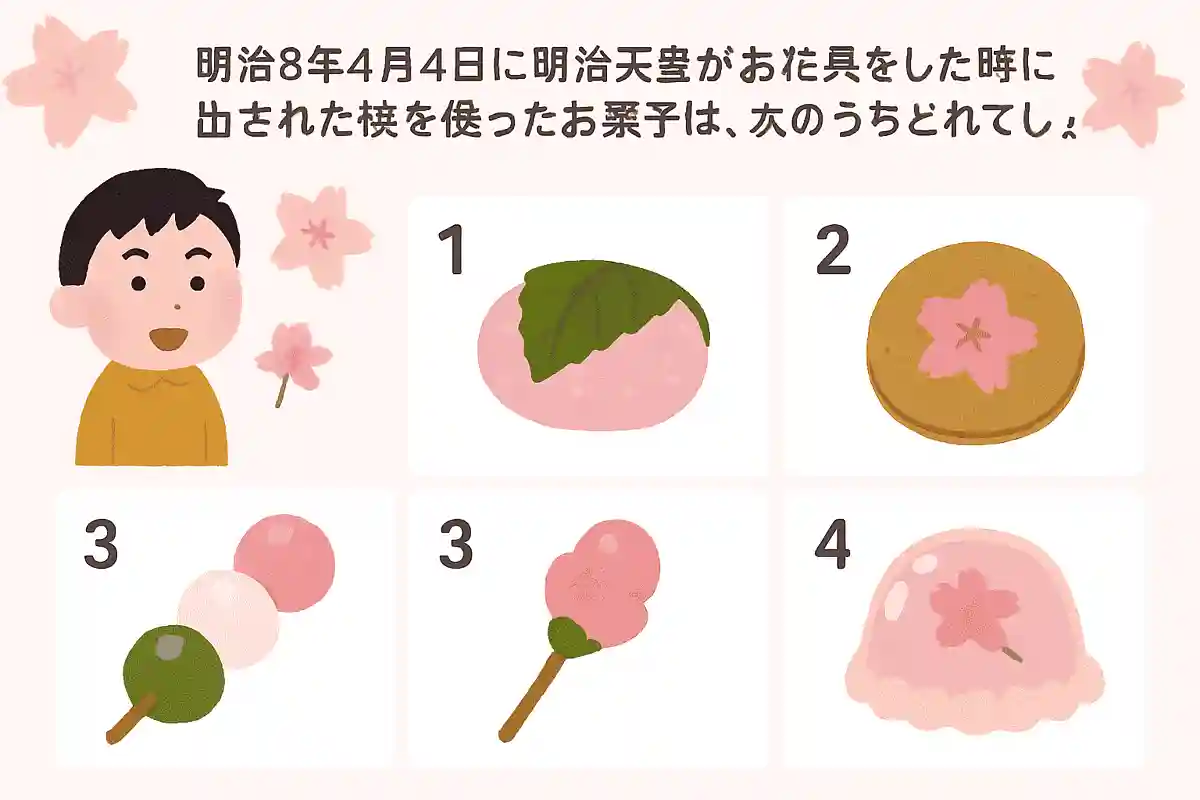
- sakura dango
- Sakura Anpan (sweet red bean bun with cherry blossom)
- sakura yokan (cherry blossom sweet bean jelly)
See the answer
Sakura Anpan (sweet red bean bun with cherry blossom)
On April 4, 1875, when Emperor Meiji went cherry-blossom viewing, the confection served was sakura anpan. Sakura anpan is characterized by sweet red bean paste inside the bread and a salted cherry blossom on top. With its springlike appearance and gentle sweetness, it is a very popular treat. It is said that this event helped make sakura anpan widely known.
Which of the following is the reason why you should not break off cherry tree branches?
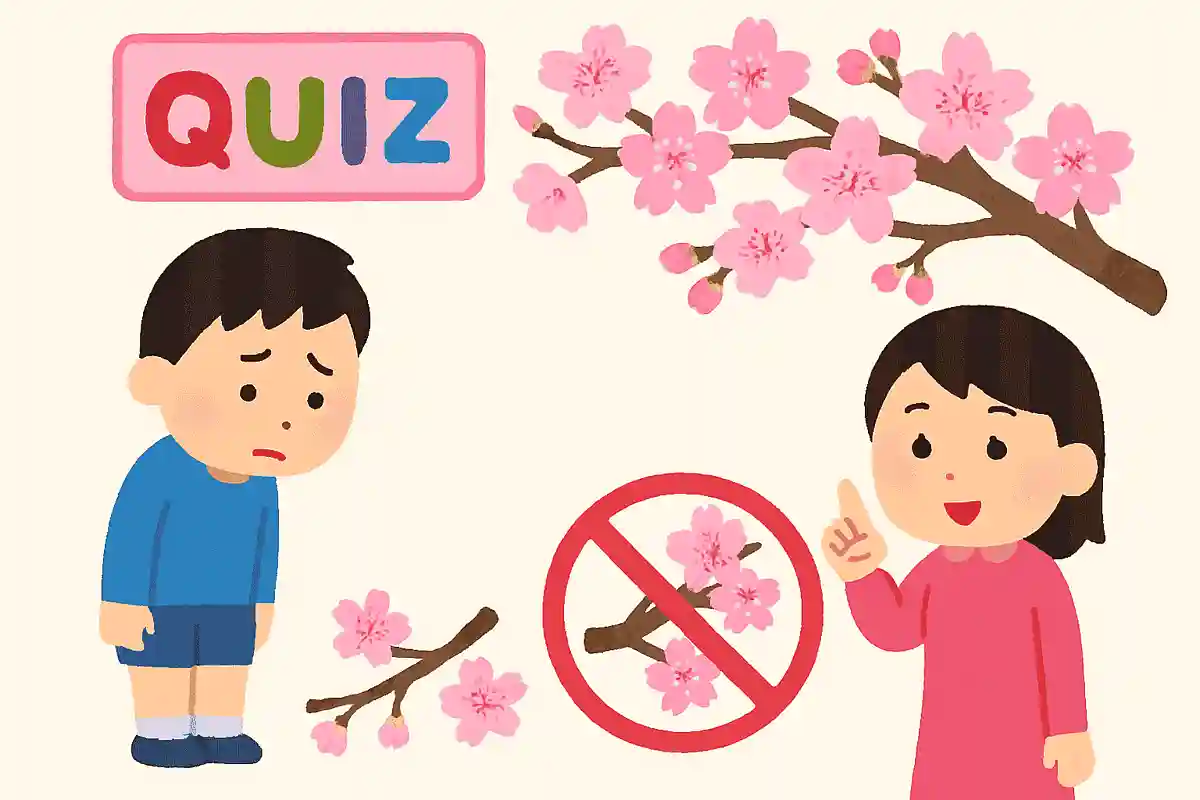
- Because the color of the wood turns white
- Because the branches and trunk will rot.
- Because the roots will grow
See the answer
Because the branches and trunk will rot.
Cherry trees are very delicate, and if a branch breaks, rain and harmful microbes can enter through the wound, which may weaken the tree. In some cases, not only the branches but even the trunk can be damaged. To protect cherry trees such as the Somei Yoshino, which are commonly seen in Japan, it is important to take good care of their branches.
[Sakura Quiz] Trivia & Fun Facts Quiz About Cherry Blossoms for Kids (21–30)
How many petals does a cherry blossom have?
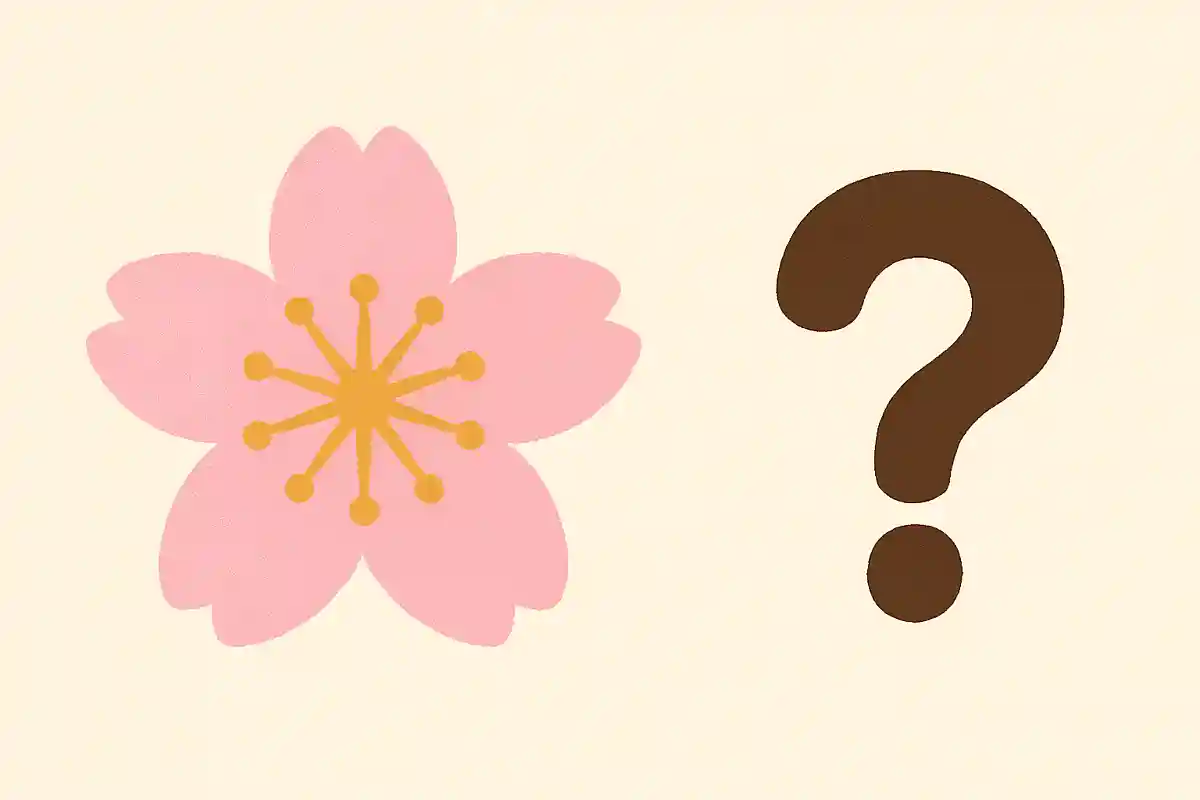
- 3 pieces
- 4 sheets
- 5 pieces
See the answer
5 pieces
Cherry blossoms usually have five petals. This is the same for many varieties of cherry trees and is why the flowers look like beautiful stars. For example, the Somei-yoshino, which is common in Japan, also has five petals. In the center of the flower are stamens and pistils, and insects help carry the pollen. In spring, clusters of five-petaled flowers bloom all over the trees, creating beautiful cherry blossoms.