

Easy Riddles for Elementary School Students


Riddles you can enjoy with friends and family in little pockets of time.
Just knowing a few questions lets you play on the bus during a field trip, in between stops on a family vacation, or to kill time with friends!
In this article, we’ll introduce riddles perfect for passing the time, geared toward elementary school students.
We’ve gathered a variety—from easy ones to slightly tricky ones, and even ones that help you learn kanji or English just by solving them.
Even though they’re meant for elementary schoolers, if you try them on Mom or Dad, they might surprisingly not know the answers…?
Give them a try whenever you have a moment, and have some lighthearted fun with friends and family!
- [Easy] Quizzes That Elementary School Students Can Solve! A Collection to Nurture Wisdom
- Interesting riddles: a collection of simple and fun questions
- Fun quizzes for elementary school kids: a collection of questions everyone can enjoy together
- Quiz for elementary school students: Easy! Fun! Question collection
- [Advanced Level] Difficult Riddles for Elementary School Students
- [For Elementary School Students] Cipher Quiz: Fun Puzzle Riddles
- Recommended riddles for elementary school students. A collection of kid-friendly riddles.
- Fun riddles that kids will love
- [Satisfying When Solved] Challenging Quizzes Recommended for Elementary School Students!
- [For Elementary School Students] Recommended Riddle Collection
- Math quiz for elementary school students
- Funny quizzes and riddles that get everyone excited in high school
- A fun quiz you can use to kill time by yourself or with everyone
[Easy] Riddles for Elementary School Students (101–110)
What time is it now?
See the answer
two characters
When someone asks, “What time is it now?” you’d normally answer with a time like three o’clock or six o’clock, right? But this riddle is different. If you focus on the phrase “What time is it now?” itself, it contains two words—“now” and “what time”—so together it makes ‘two characters’ (ni-moji).

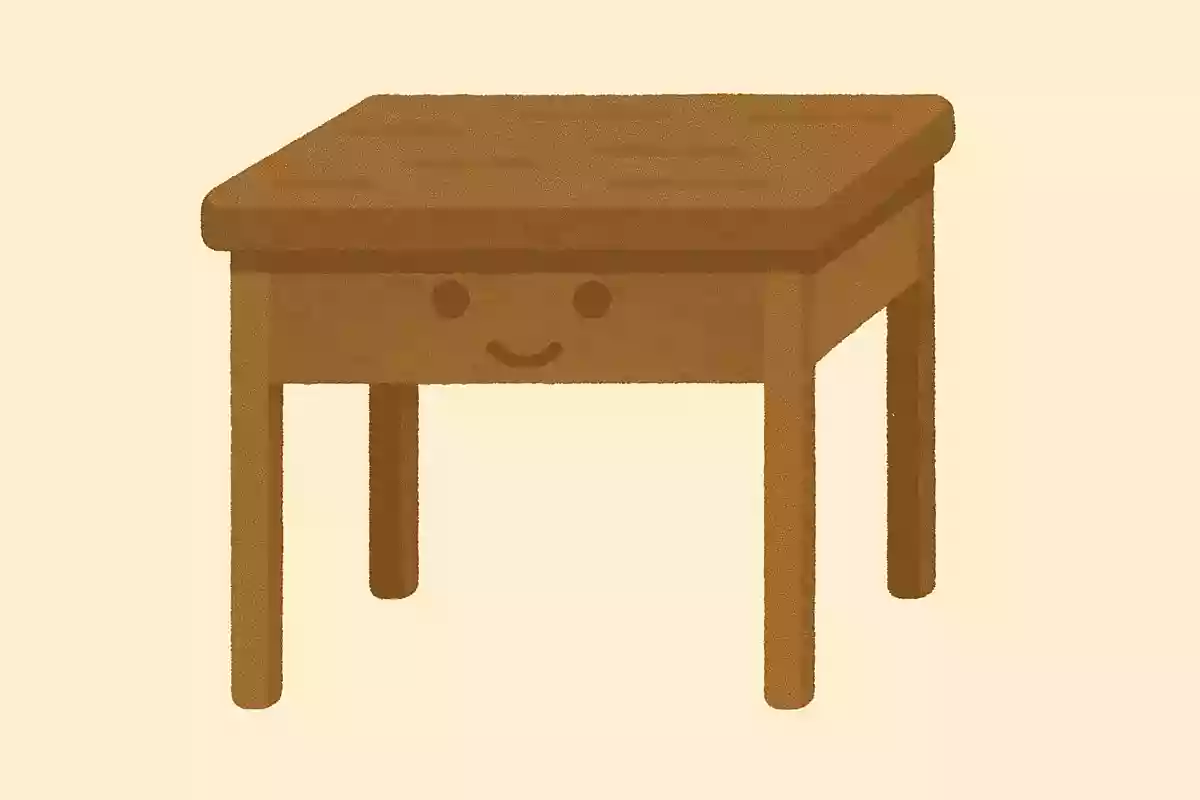
What has four legs but cannot walk?
See the answer
chair
A chair has four legs, but it can’t walk on its own. It can’t move like an animal, but it stands firmly in front of a desk and is very important for people to sit on. This riddle cleverly plays on the assumption that “having legs = being able to walk.”
Body riddles

Wonder if you’ll get it? Let me share some body-themed riddle ideas.
The riddles are also read aloud, so it’s a fun activity you can tackle competitively with two or more people.
Since the theme is the human body, try recalling what you know—terms and facts—as you take on the challenge.
For example, there’s a question like: “Even though your eyes are closed when you sleep, what can you still see?” Each question has a 5-second time limit, so it’s great if you can answer within the time.
30 trick riddles that 80% of people can’t solve
Let’s play with words! Here are 30 ideas for trick riddles that 80% of people can’t solve.
Trick riddles can leave you feeling stumped, but seeing the answer often makes you think, “Ah, I get it now!” or “So that’s how it works!” This time, let’s take on riddles said to be unsolvable for 80% of people.
For example, one question goes: “One day, a precious musical instrument broke and could no longer be used.
What instrument was it?”
Trick Riddles and Mean Quizzes

Answer without falling for the trick! Here are some ideas for tricky riddle quizzes.
These riddles come with sneaky twists! Read each question carefully and work your way to the answer.
For example, you might see a question like: “There’s a car carrying an American and an Indian.
Who is driving the car?” Maybe some of you figured it out right away just from reading the question.
Aim for a perfect score and give it a try!
[Easy] Riddles for Elementary School Students (111–120)
Riddle Picture Book

This is a collection of riddles presented with picture-book-style, cute illustrations.
The riddles are all simple enough to imagine just by looking at the pictures, even without listening to the questions, so it’s designed to be enjoyable not only for elementary school students but also for children and adults alike.
Riddle Brain Training

A collection of light brain-teaser riddles that people with flexible thinking can solve easily.
The problems are very simple, so you can casually take them on during everyday moments—like on your commute to school.