

Fukui Prefecture local quiz! Become a Fukui expert with fun questions for elementary school students.

When you think of Fukui Prefecture, lots of charms come to mind, like dinosaur fossils and the beautiful Tojinbo cliffs, right? But if someone asked, “What’s the prefectural capital?” or “What’s the name of the convenience store found only in Fukui?” could you answer right away? In this article, we’ve gathered questions that let you enjoy learning about Fukui’s history, culture, dialect, and local cuisine through a set of local quizzes for elementary school students.
You’ll find plenty of discoveries that will make even adults say, “Wow!”, such as the curious custom of eating mizu-yokan in winter and the secret behind Fukui’s status as the happiest prefecture in Japan.
Try tackling them together with your family and friends!
- How many can you get right? Toyama Prefecture Local Quiz! A Fun Question Book for Elementary School Students
- [For Elementary School Students] Ishikawa Prefecture Local Quiz! A Question Collection That Both Kids and Adults Can Enjoy
- [For Elementary School Students] Niigata Prefecture Local Quiz Collection
- [For Elementary School Students] Collection of Local Quizzes from Gifu Prefecture
- [For Elementary School Students] Nagano Prefecture Local Quiz! Three-Choice Questions to Enjoy Learning About History and Nature
- [For Elementary School Students] Collection of Local Quizzes from Fukuoka Prefecture
- [For Elementary School Students] Collection of Local Quizzes from Osaka Prefecture
- [For Elementary School Students] Fukushima Prefecture Local Quiz! A Fun Workbook for Parents and Kids
- [For Elementary School Students] Fun and Effective Prefecture Quiz
- [For Elementary School Students] Hokkaido Local Quiz: Includes Classic Hokkaido 'Aruaru'!
- Saitama Prefecture Local Quiz for Elementary Schoolers! Try tackling questions that are tough even for local kids.
- [For Elementary School Students] A Roundup of Local Quizzes About Tokyo
- [For Elementary School Students] Challenge! Kyoto Local Quiz
Fukui Prefecture local quiz! Become a Fukui expert with fun questions for elementary school students (1–10)
Since what era has the local dish “bokkake” been eaten?

- Edo period
- Taisho era
- Showa era
See the answer
Taisho era
Bokkake, a local dish from Fukui Prefecture, has been enjoyed for over 100 years since the Taisho era. It’s a hearty, ingredient-rich broth made with root vegetables like daikon radish and carrots, plus shirataki (konjac) noodles, which is poured over rice to eat. The name “bokkake” comes from the word meaning “to pour over.” It’s a simple, home-style traditional dish from Fukui—comforting, warming, and delicious.

When do the people of Fukui Prefecture eat mizu-yokan (water yokan)?

- spring
- summer
- Winter
See the answer
Winter
In Fukui Prefecture, there is a custom of eating mizu-yokan in winter. It is said to have begun in the Taisho era. It is especially popular around New Year’s, enjoyed by families as a traditional sweet treat. It has been adapted to taste good even in the cold winter, and continues today as a uniquely Fukui winter food culture.
What kind of leaves are used in the local dish “Happa-zushi” (leaf sushi)?
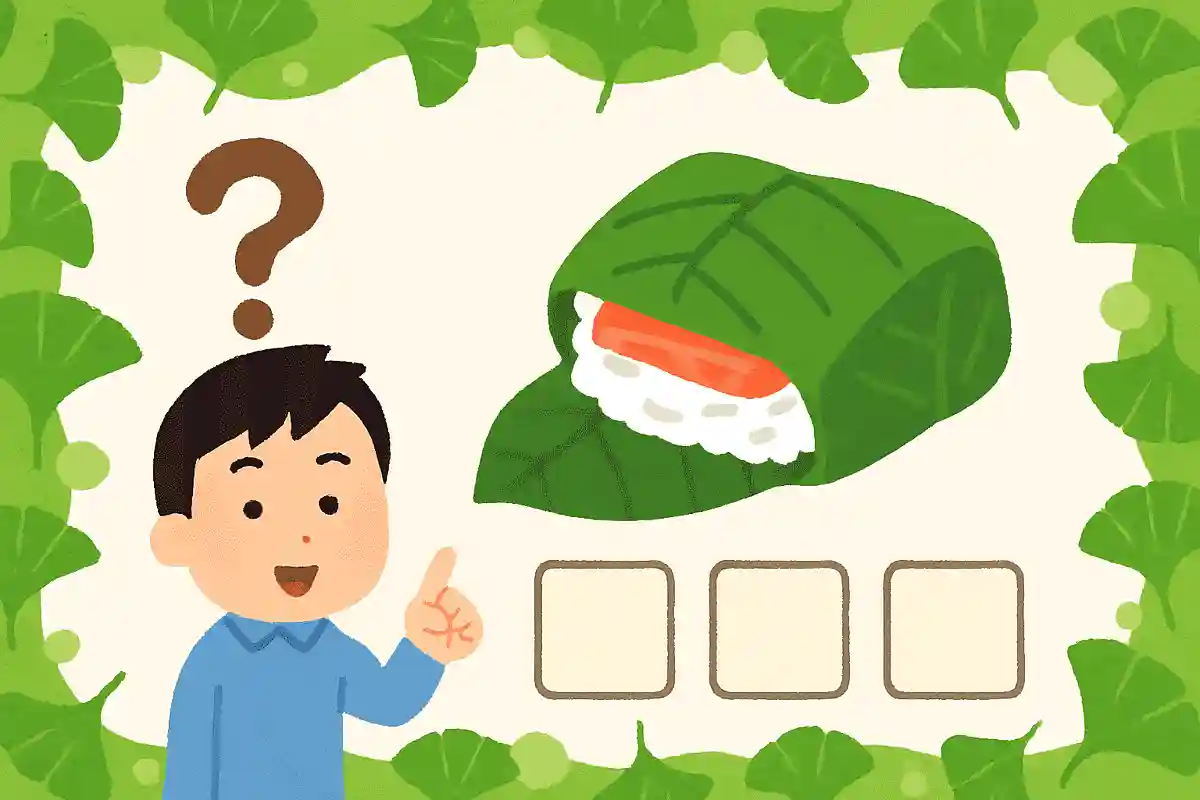
- tung oil tree
- Kashiwa
- Karagoki kaede
See the answer
tung oil tree
“Happazushi” is a local dish from Fukui Prefecture, often eaten on celebratory occasions. It is made using the leaves of the deciduous tree Aleurites cordata (aburagiri): slices of trout and ginger placed on rice are wrapped in the leaf. Wrapping with this leaf makes the dish visually appealing and adds a pleasant aroma. It is a traditional Fukui specialty enjoyed with family and relatives as a festive treat on special days.
Fukui Prefecture Local Quiz! Become a Fukui Expert with Fun Questions for Elementary School Students (11–20)
What fruit does Fukui Prefecture boast the highest production of in Japan?

- blueberry
- wild grape
- jujube
See the answer
jujube
Fukui Prefecture has the highest jujube production in Japan, accounting for about 97% of the nation’s total. Jujubes are known as a fruit that’s good for your health. As for other fruits, Fukui ranks 33rd nationwide in blueberry production and 10th in wild grape (yamabudō). Fukui is famous as a major production area for jujubes, with many farmers carefully cultivating them.
In Fukui Prefecture, there is a museum themed around a certain creature that is world-famous. What exactly is that creature?

- dinosaur
- humankind
- deep-sea fish
See the answer
dinosaur
Fukui Prefecture is home to the Fukui Prefectural Dinosaur Museum. This museum is a place where you can see many dinosaur fossils and models. Along with the Zigong Dinosaur Museum in China and the Royal Tyrrell Museum of Palaeontology in Canada, it is counted as one of the world’s three great dinosaur museums. It’s very popular among people interested in dinosaurs and is a famous tourist spot in Fukui that can be enjoyed by both children and adults.
In the local Fukui dish “Volga Rice,” what is the cutlet placed on top of?
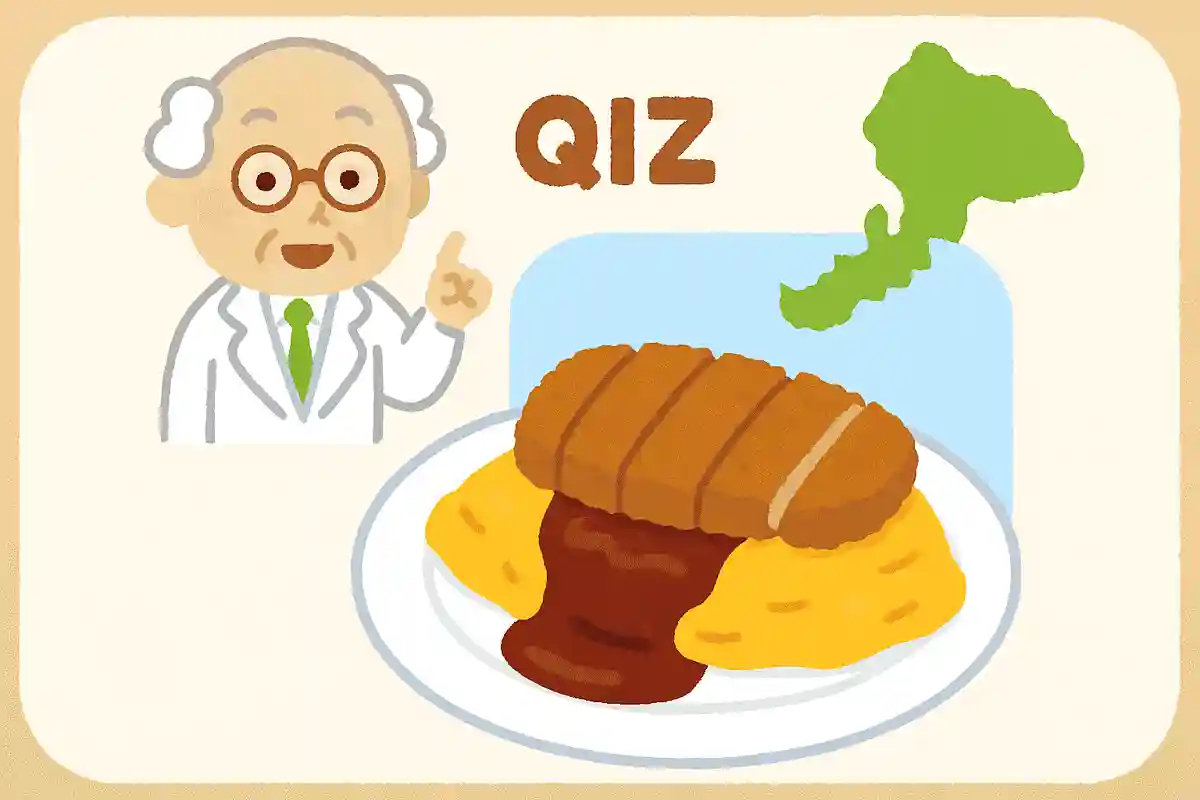
- chicken rice
- butter rice
- Omelet rice
See the answer
Omelet rice
“Volga Rice” is a local gourmet dish from Fukui Prefecture: an omelet rice topped with a cutlet. It’s commonly eaten in the Takefu area of Echizen City, Fukui. The origin of the name and which restaurant first created it are still unclear. With its hearty appearance, great taste, and popularity, it’s a distinctive food you can only find in Fukui.
Which of the following words means “I” in the Fukui Prefecture dialect?
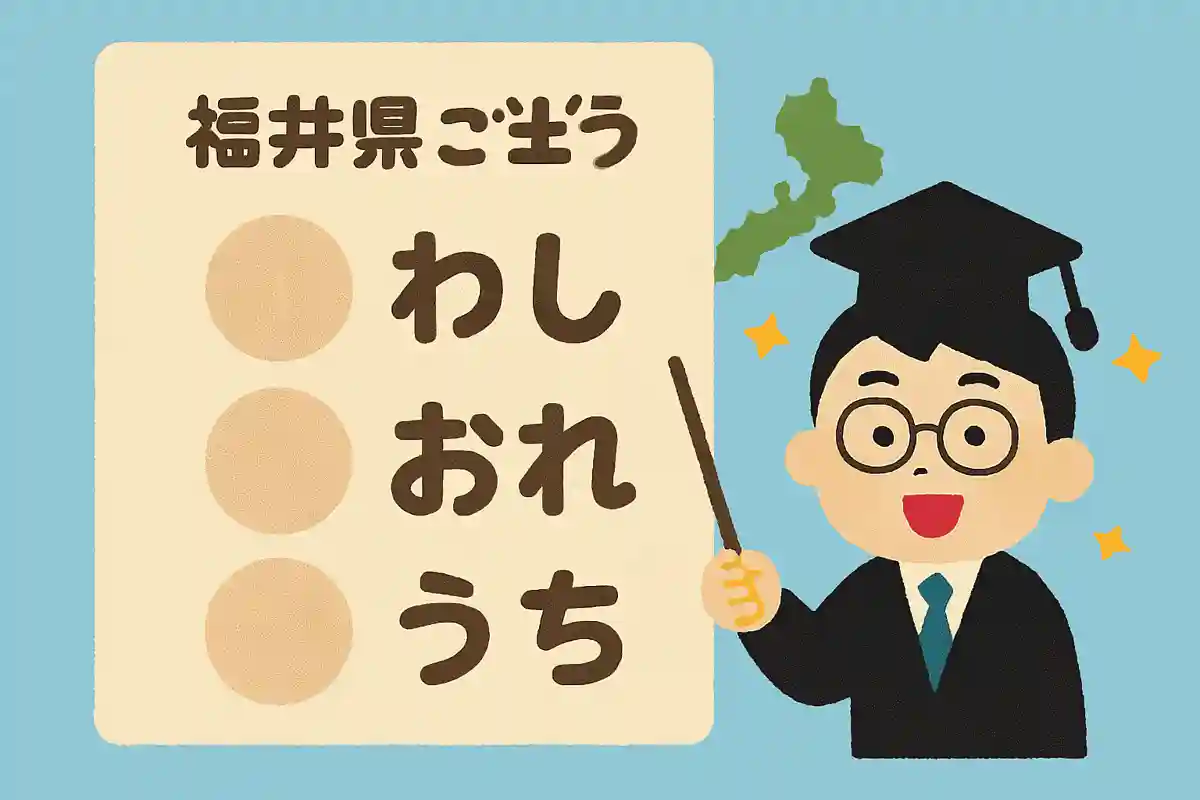
- home; house; my place; we; our; among; within; inside; during (context-dependent)
- back
- Hey!/Yo!/Oi!
See the answer
back
In Fukui Prefecture, there is a dialect word “ura,” which means “I” or “me.” For example, if someone says, “Ura, kono toki wa inakatta yo,” it means “I wasn’t here at that time.” This way of speaking has been used in Fukui for a long time and is a special word used when talking about oneself. It’s an interesting dialect unique to Fukui that you don’t hear much in other prefectures.