

Easy for elementary school students to remember! A four-character idiom that expresses the feeling of trying your best

Many elementary school students may be thinking, “I’m trying so hard, but I’m not seeing results…” Surely the adults around them, watching over their efforts, also want to offer the right words.
In these seven articles, we introduce four-character idioms that express children’s desire to “try hard” and their spirit of “persevering.” They’re easy for elementary schoolers to understand and useful in everyday life, so learn their origins too and let them motivate you in your studies and club activities!
- Four-character idioms that help elementary schoolers not give up: words that spark the power to keep trying
- Strive toward your goals! Four-character idiom ideas that resonate with elementary school students
- [For Elementary School Students] Four-character idioms you can use in sports! Words that are helpful for cheering and goal setting
- Learn the meanings too! Cool four-character idioms that elementary school students will want to remember
- Easy-to-remember, positive four-character idioms for elementary school kids! Words that brighten the heart
- For Elementary School Students: Four-Character Idioms You Can Use for New Year’s Resolutions — How to Set Cool Goals!
- General: Four-character idioms that encourage determination—powerful, heart-stirring words
- Interesting four-character idioms for elementary schoolers! Words you'll want to use once you understand their meanings
- [For Elementary School Students] Inspiring Four-Character Idioms for Shaping the Future at a Glance! Words that Spark Courage
- Popular even among elementary school students! Stylish and easy-to-remember four-character idioms
- Perfect for elementary school slogans! A collection of four-character idiom ideas you'll want to use
- Recommended for elementary school class goals! A collection of impactful ideas using four-character idioms
- [Elementary School Students] Perfect for Kakizome! A Collection of Four-Character Idiom Ideas
Easy for elementary school kids to remember! Four-character idioms that express the spirit of trying hard (1–10)
Stay true to your original intention.
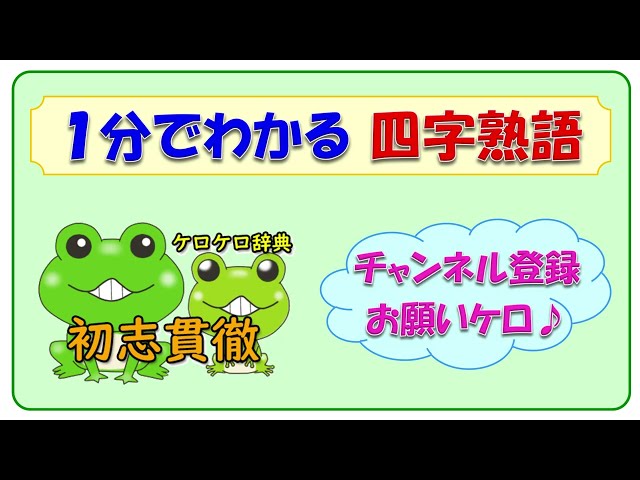
Pronounced “shoshikantetsu,” it means to carry through with something once you’ve started it.
The word “shoshi” refers to the initial intention or resolve you have when you begin something, and “kantetsu” means to persevere and see it through to the end without giving up.
Together, they form a wonderful four-character idiom.
Children starting a new school term or embarking on a fresh start are bound to feel some anxiety.
In such times, why not share this phrase to convey the spirit of charging forward together toward your goals?
Late bloomer
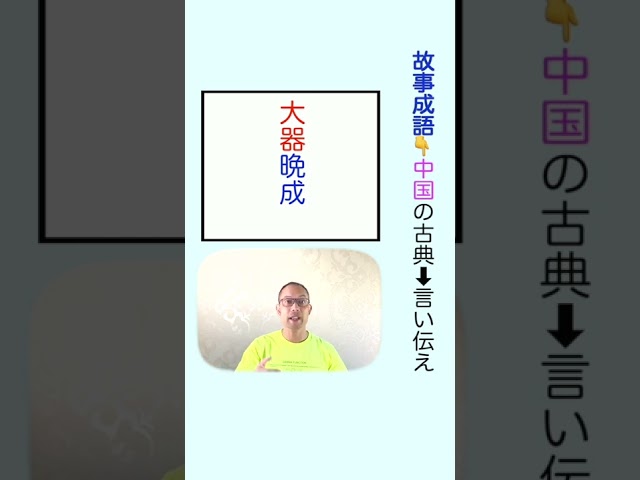
Taiki bansei, read as “taiki bansei,” combines “taiki,” which can mean a large vessel or a person of exceptional talent and capacity, and “bansei,” which refers to maturing more slowly than usual.
Not every great or famous person succeeded right away; many blossomed only after enduring hardships.
When a child feels down, saying, “I’m trying hard but not seeing results,” it can help to share a message that includes this four-character idiom.
It might become a source of motivation to keep putting in the effort.
lion-like heroic effort; dauntless, furious valor (acting with extraordinary vigor)
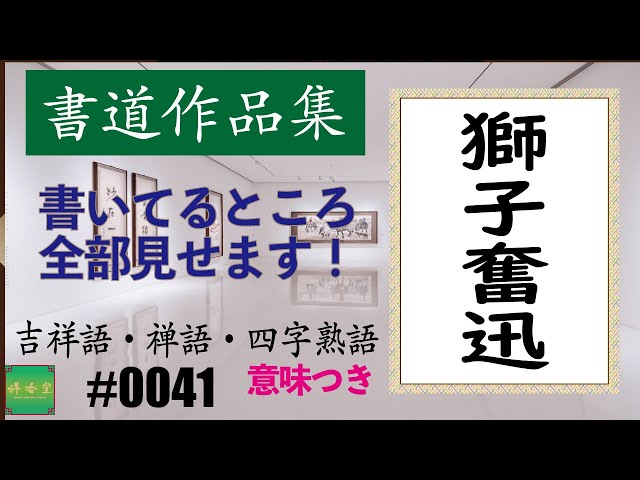
It’s a four-character idiom that evokes a brave, valiant image.
It’s read as “shishi-funjin.” “Shishi” refers to the lion, known as the king of beasts, and “funjin” describes rising up with fierce vigor.
Combined, it means to tackle things with intense energy and momentum.
It perfectly captures the sparkle in a child’s eyes when they’ve found something they’re eager to pursue.
It would be wonderful if we could create an environment where children can strive freely and wholeheartedly.
Easy for elementary schoolers to remember! Four-character idioms that express the spirit of trying hard (11–20)
Fall down seven times, get up eight.
It’s read as “shichiten-hakki” or “nanakorobi yaoki.” From the idea of falling down seven times and getting up eight, it refers to persevering without giving up.
It’s a four-character idiom worth remembering not only for sports and studying, but also for lessons and first-time challenges.
You can use it to cheer on and encourage friends and family, not just yourself.
It also makes a great personal motto or theme for the year.
By all means, keep at it without giving up, even if you fail.
steady progress day by day; making rapid strides

This four-character idiom, pronounced “nisshin-geppo,” refers to continuous progress.
Children’s minds and bodies grow steadily every day, don’t they? How about sending this idiom as a message to convey growth they may not even notice themselves? It’s a good idea to compose your note by adding what has improved compared to before or what they can do now.
It will likely be a four-character idiom that resonates with guardians who quietly cheer on children’s desire to do their best.
to lie on firewood and taste gall (an idiom meaning to endure hardship and persevere for future revenge or success)
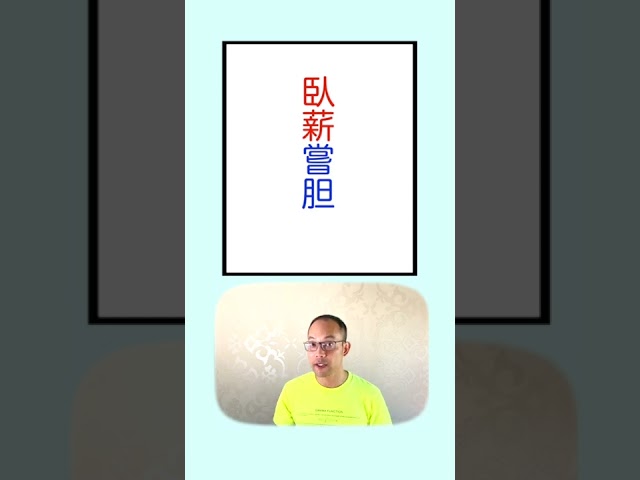
This four-character idiom, read as “gashinshōtan,” means to endure hardship and persevere over a long period of time to achieve one’s goals.
If you keep making an effort, there will be moments of failure and discouragement.
At such times, some children may find strength in this idiom.
Even if they experience setbacks, it would be wonderful if they could use those experiences as a springboard to aim higher and ultimately achieve their goals.
For the parents and guardians who watch their children’s efforts most closely, being encouraged by this idiom can be a real source of power.
trial and error

A four-character idiom that many people know.
It’s read as “shikō sakugo,” and it seems to mean repeatedly trying various methods, accumulating failures, and pursuing a solution.
Failure is part and parcel of taking on challenges, and there are moments when results don’t keep pace even with continued effort.
However, if you look at life from a long-term perspective, you could say that experiencing a single example means you’re still in the process of exploring solutions.
It’s best to adjust your approach and find a path that suits you.