


There are many things about horses that we think we know but actually don’t.
The movements of their manes and ears, and even their whinnies, each have meaning.
When you learn about how horses feel and how their bodies work, you’ll grow to love them even more.
So here, we’ve gathered lots of fun quizzes that elementary school students can enjoy while learning—about things like what hooves really are, the order of the twelve zodiac animals, and why horses swish their tails.
Try them before you visit a zoo or a ranch, and your observations will become even more interesting.
Give it a try with everyone!
- A surprisingly little-known horse quiz! A fun problem set where you can learn everything from general knowledge to astonishing biology
- Surprising horse trivia you probably didn’t know: astounding behaviors and fun facts
- [For Elementary School Students] Animal Quiz to Learn Knowledge and Fun Facts
- [For Elementary School Students] 3-Choice Quiz to Deepen Knowledge of Living Things
- Recommended for lower grades! A fun, educational quiz for elementary school students
- Recommended for elementary school students! Trivia quiz you'll want to share once you know it
- [For Lower Elementary Students] Play Right Away! Learn with Fun True-or-False Quizzes
- [Common Sense & Trivia] True-or-False Quiz with Knowledge for Elementary School Students
- Fun Quiz Collection Guaranteed to Stump and Delight Elementary School Kids
- Fun quizzes for elementary school kids: a collection of questions everyone can enjoy together
- [Trivia] Do you know the answers? A roundup of animal quizzes
- A four-character idiom quiz that elementary schoolers will love! Questions become fun once you understand the meanings
- [For Elementary School Students] Me Quiz: A Collection of Quiz Questions About Yourself
Learn with fun through a horse quiz! Mysteries about horses that elementary school students want to know (1–10)
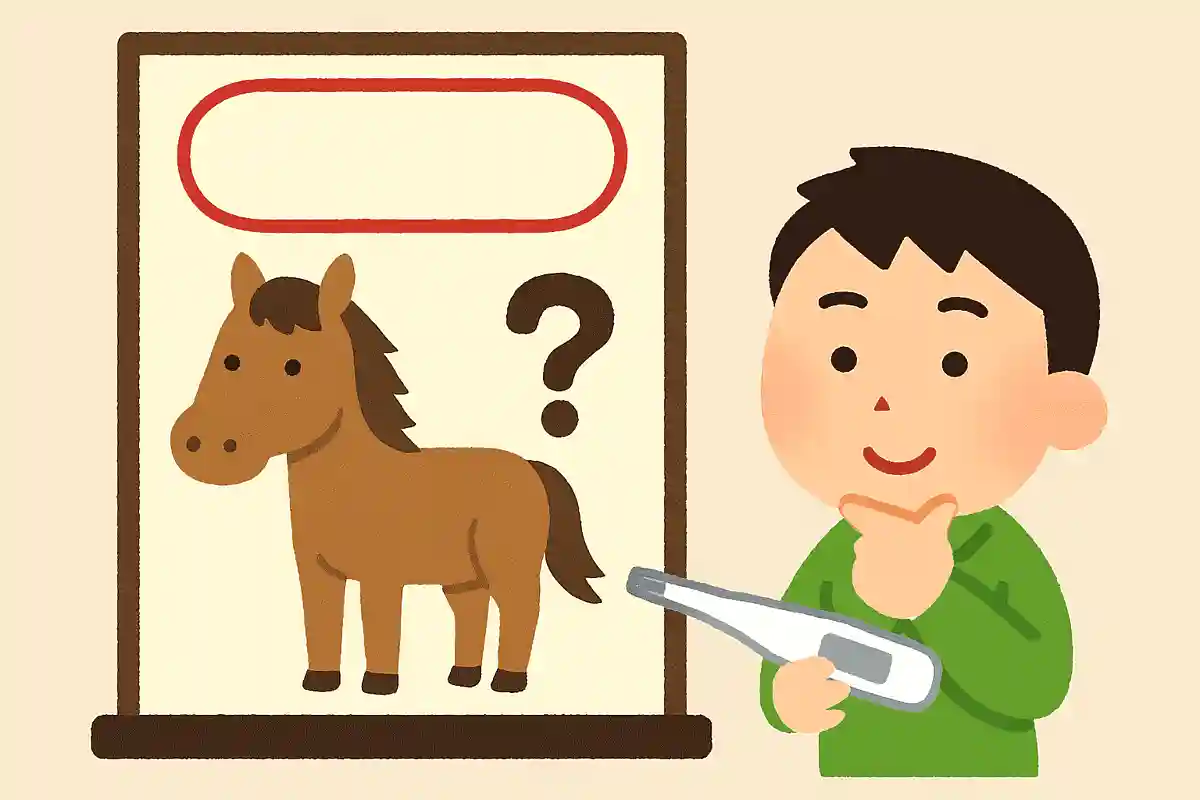
What is a horse’s body temperature?

- about 35 degrees
- about 37 degrees
- about 39 degrees
See the answer
about 37 degrees
A healthy body temperature for a horse is usually around 36.5–38.5°C. That’s about the same as humans. If it exceeds 39°C, it’s considered a fever. It can rise a bit after exercise or in summer. Veterinarians check health by monitoring temperature and appetite.

When do horses neigh?
- When I'm hungry
- When calling out to friends or people
- When I'm sleepy
See the answer
When calling out to friends or people
Horses often neigh—“hihīn”—to call out to companions or people, or when they want to convey something. They frequently vocalize to communicate with herd mates that are far away. In other words, they communicate with each other by voice. When they’re calm, they may also snort, like “huff.”
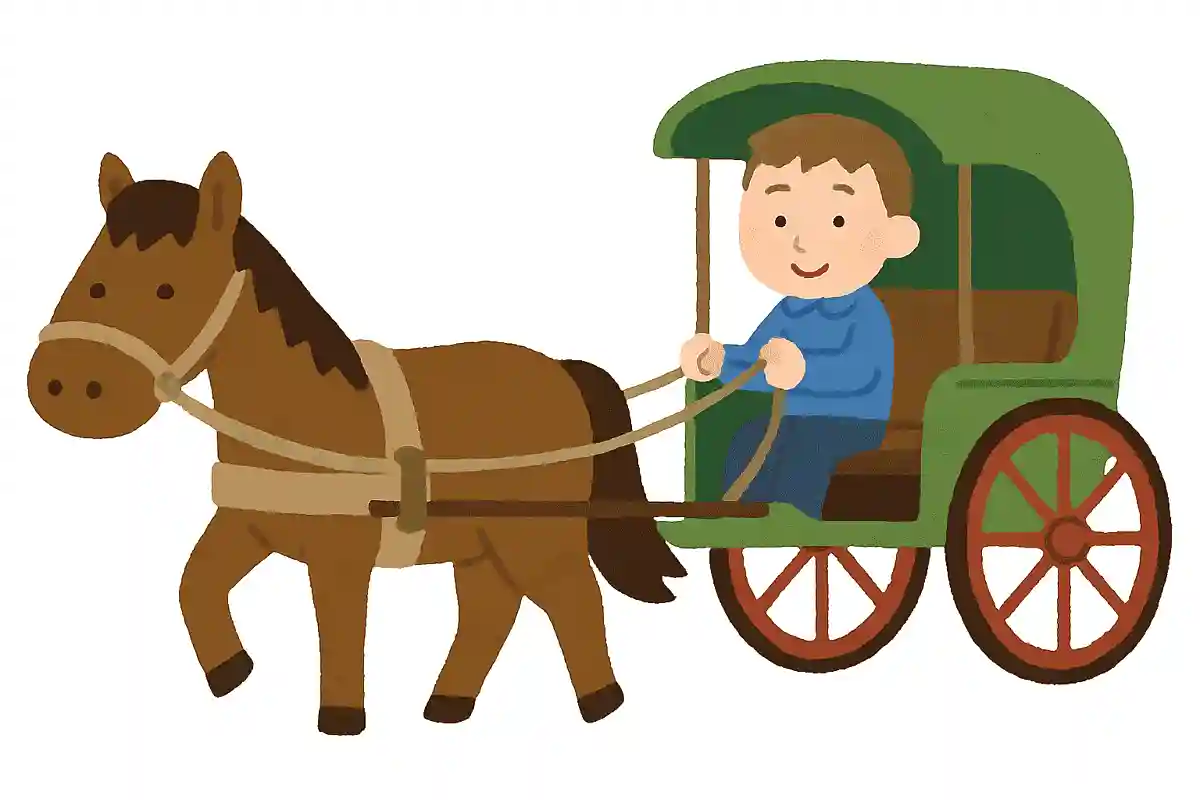
What do you call a horse that pulls a carriage?
- racehorse
- riding horse
- draft horse
See the answer
draft horse
Horses used to pull heavy loads such as carriages are called “banba” (draft horses). They’re known for being strong and large. These days, leisurely horse-drawn carriage rides, known as hikiuma experiences, are popular in tourist areas. Many of these horses are powerful yet gentle.
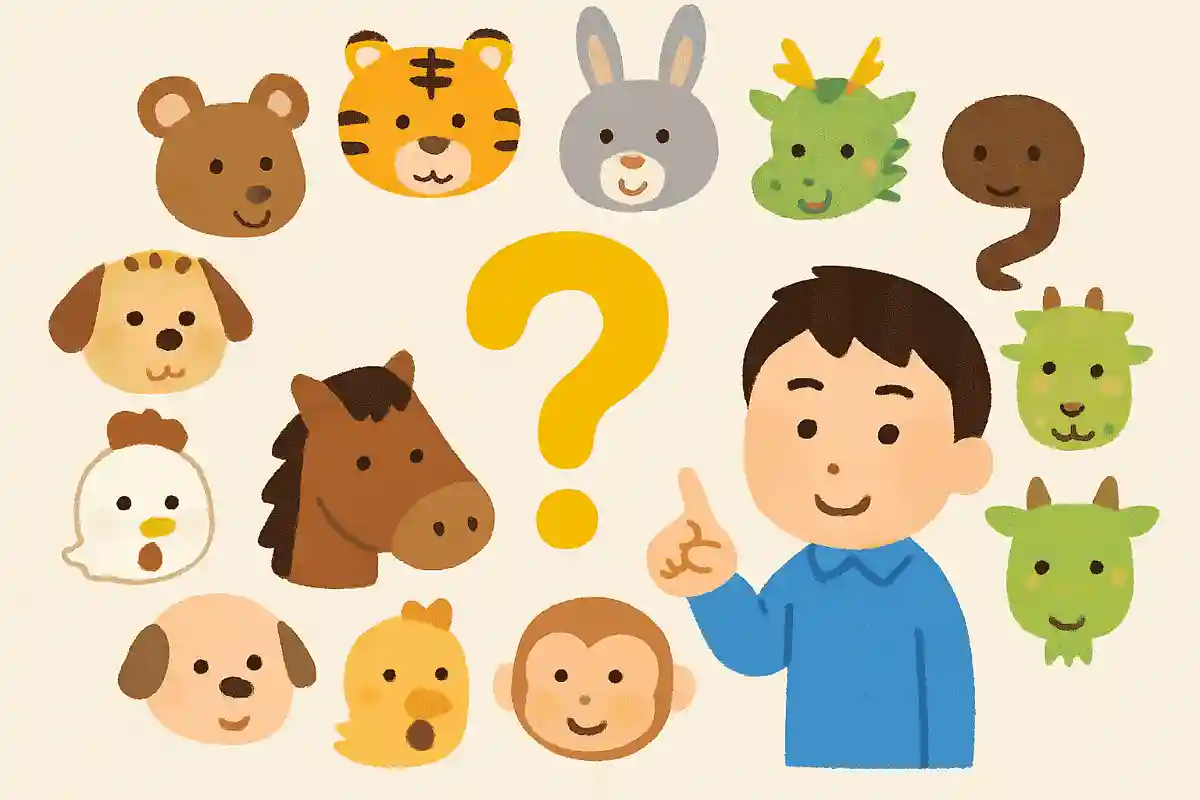
In the twelve zodiac signs, which number is the horse?
- the fourth
- fifth
- seventh
See the answer
sixth
The Chinese zodiac has twelve animals arranged in order: rat, ox, tiger, rabbit, dragon, snake, horse… so the horse is the eighth. The Year of the Horse has an energetic, forward-looking image. At festivals and events, you can also see decorations inspired by the horse.
When a horse swishes its tail, how is it often feeling?

- When I'm happy
- When it’s hot
- When you're irritated
See the answer
When you're irritated
Horses swish their tails to chase away insects and when they feel uncomfortable or irritated. When they’re happy, they don’t swish their tails much. A slow, gentle swaying means they’re relaxed. You can understand how a horse feels from its tail movements, so it’s important to observe them carefully to build a good relationship.
What is a horse’s mane for?
- to make it look cool
- To protect the neck from the cold
- To protect the neck from insects and rain
See the answer
To protect the neck from insects and rain
A horse’s mane serves to protect its neck by shielding it from direct rain and keeping insects away. When the wind blows, the hair sways and helps dry the sweat. In the past, it was also valued in battles because it made the horse look more imposing.
When horses eat grass, which part do they usually eat first?

- leaf part
- the stem part
- the root part
See the answer
leaf part
Horses often start by eating the soft, easy-to-chew leaf parts of grasses. That’s because they find leaves tastier than stems or roots. Fresh leaves are their favorite.