

[For Elementary School Students] Ishikawa Prefecture Local Quiz! A Question Collection That Both Kids and Adults Can Enjoy

How much do you know about Ishikawa Prefecture? From Kanazawa City’s brand-name crabs and Noto beef to “Hachiban Ramen” and “Hyakumasan,” this region is full of specialties to be proud of.
You’ll also encounter local dialect words like “yuki-sukashi” and “koke,” as well as place names with tricky readings, such as “Tsuchishimizu.” In this article, we’ll showcase the charms of Ishikawa through a set of local quizzes designed for elementary school students.
Give them a try with family and friends, and enjoy learning together—kids and adults alike!
- How many can you get right? Toyama Prefecture Local Quiz! A Fun Question Book for Elementary School Students
- Fukui Prefecture local quiz! Become a Fukui expert with fun questions for elementary school students.
- How much do you know? A local quiz collection about Iwate Prefecture for elementary school students
- [For Elementary School Students] Collection of Local Quizzes from Gifu Prefecture
- [For Elementary School Students] Niigata Prefecture Local Quiz Collection
- [For Elementary School Students] Hokkaido Local Quiz: Includes Classic Hokkaido 'Aruaru'!
- [For Elementary School Students] A Roundup of Local Quizzes About Tokyo
- [For Elementary School Students] Miyagi Prefecture Local Quiz! A Fun Workbook That Adults Can Enjoy Learning With Too
- Akita Prefecture Local Quiz! A fun workbook for elementary school students that adults can enjoy too
- [For Elementary School Students] Nagano Prefecture Local Quiz! Three-Choice Questions to Enjoy Learning About History and Nature
- Learn while playing! Fun local quizzes about Gunma Prefecture for elementary school students
- [For Elementary School Students] Collection of Local Quizzes from Fukuoka Prefecture
- Yamanashi Prefecture Local Quiz for Elementary Schoolers! A Workbook to Learn While Playing
[For Elementary School Students] Ishikawa Prefecture Local Quiz! A Question Collection That Kids and Adults Can Enjoy (1–10)
Which of the following is the capital city of Ishikawa Prefecture?
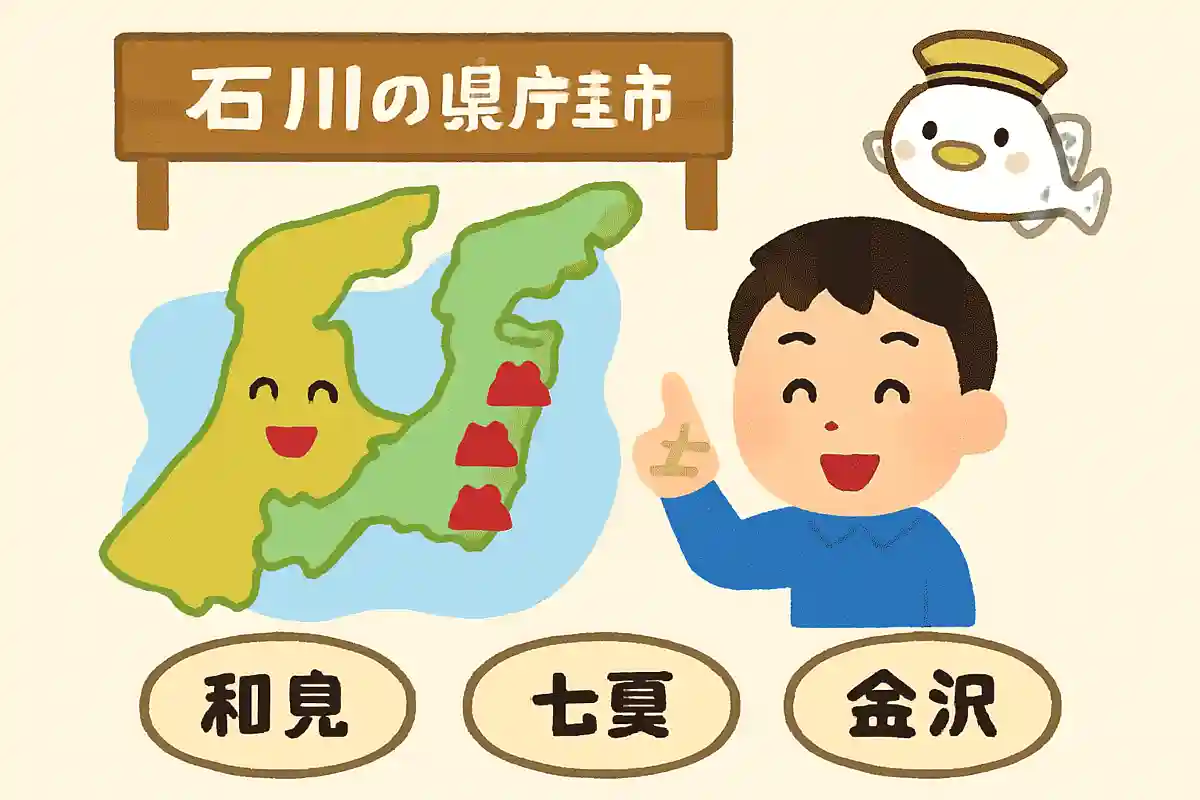
- Kanazawa City
- Ishikawa City
- Kaga City
See the answer
Kanazawa City
The capital of Ishikawa Prefecture is Kanazawa City. Located in the center of the prefecture, it is also known as a core city. Because it was not bombed during World War II, many old buildings, temples, and traditional streets remain. There are many places where you can feel the history, making it a popular tourist destination. The city has plenty of schools and shops, and it is loved by residents as an easy place to live.

Which of the following is a dance that anyone from Ishikawa Prefecture has danced at least once?
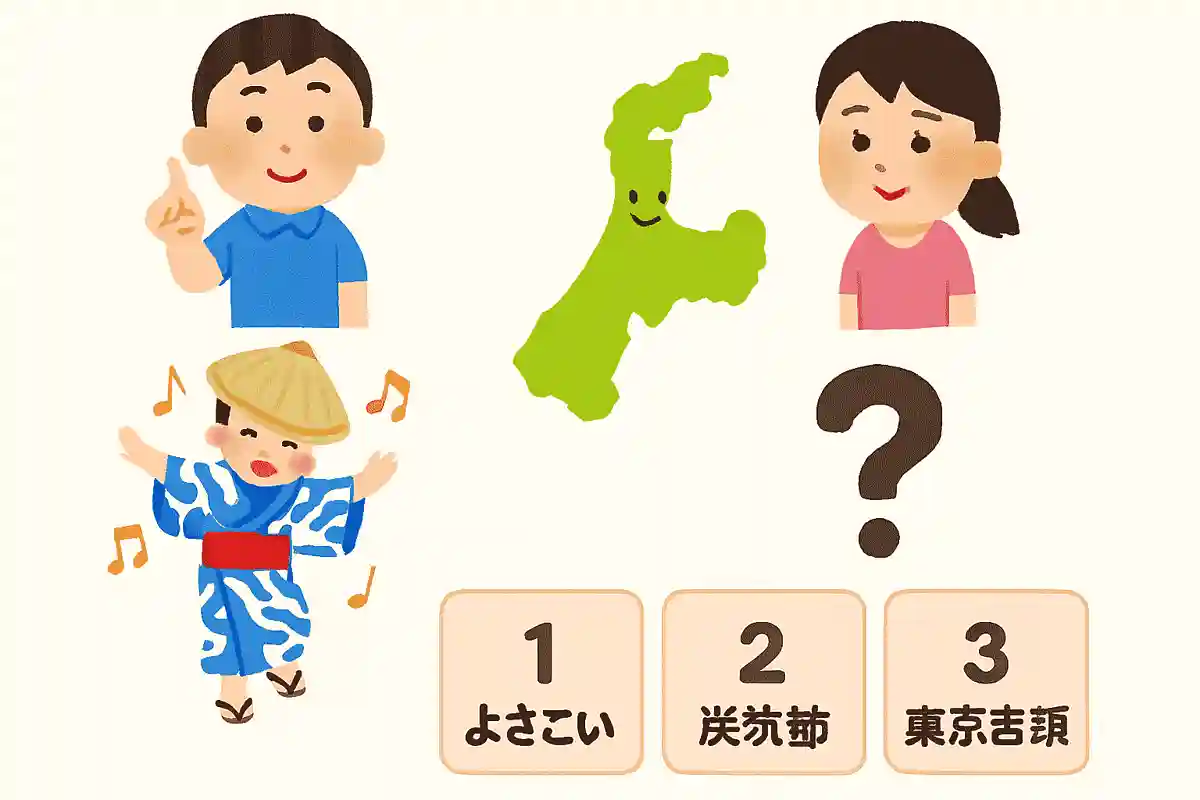
- The Power of Money
- Young power
- Power of God
See the answer
Young power
In Kanazawa City, Ishikawa Prefecture, there is a dance called “Wakai Chikara” (“Young Power”). Many people from Ishikawa have danced it at least once, such as at school sports festivals. This dance is known as a traditional group performance, characterized by everyone dancing together energetically in unison. It has long been loved by children as a fun event at sports days and is a dance that lets you feel the local culture.
The name of a certain ramen shop beloved by the people of Ishikawa Prefecture includes a “number.” Which of the following numbers is it?
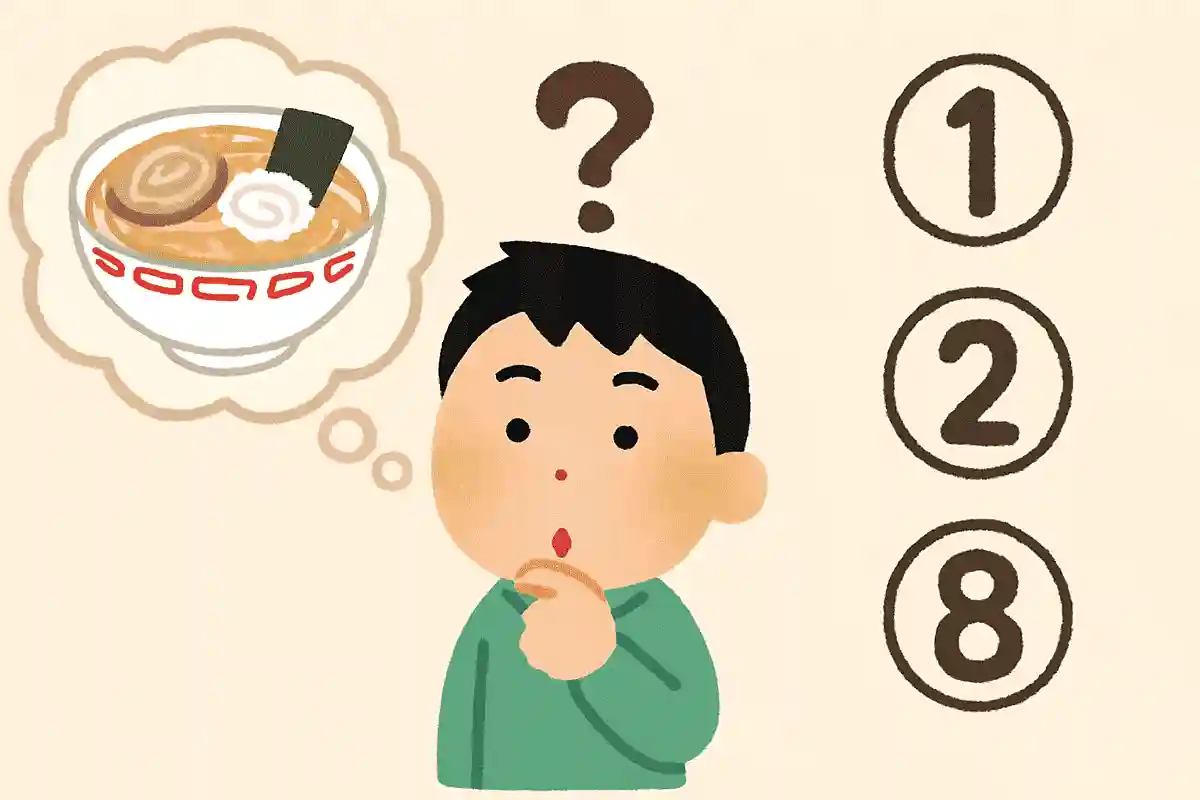
- Number 1
- Number 3
- Number 8
See the answer
Number 8
There is a famous ramen restaurant in Ishikawa Prefecture called Hachiban Ramen. It got its name “8ban” because it started near National Route 8 in Kaga City. It’s a popular place that everyone in Ishikawa knows. Their most popular dish is the vegetable ramen, which is loaded with vegetables. With plenty of veggies, it’s gentle on the body and loved throughout the prefecture as a delicious ramen.
[For Elementary School Students] Ishikawa Prefecture Local Quiz! A Collection of Questions That Both Kids and Adults Can Enjoy (11–20)
Kanazawa City’s branded crabs include “Kanou-gani.” Which of the following is the other one?
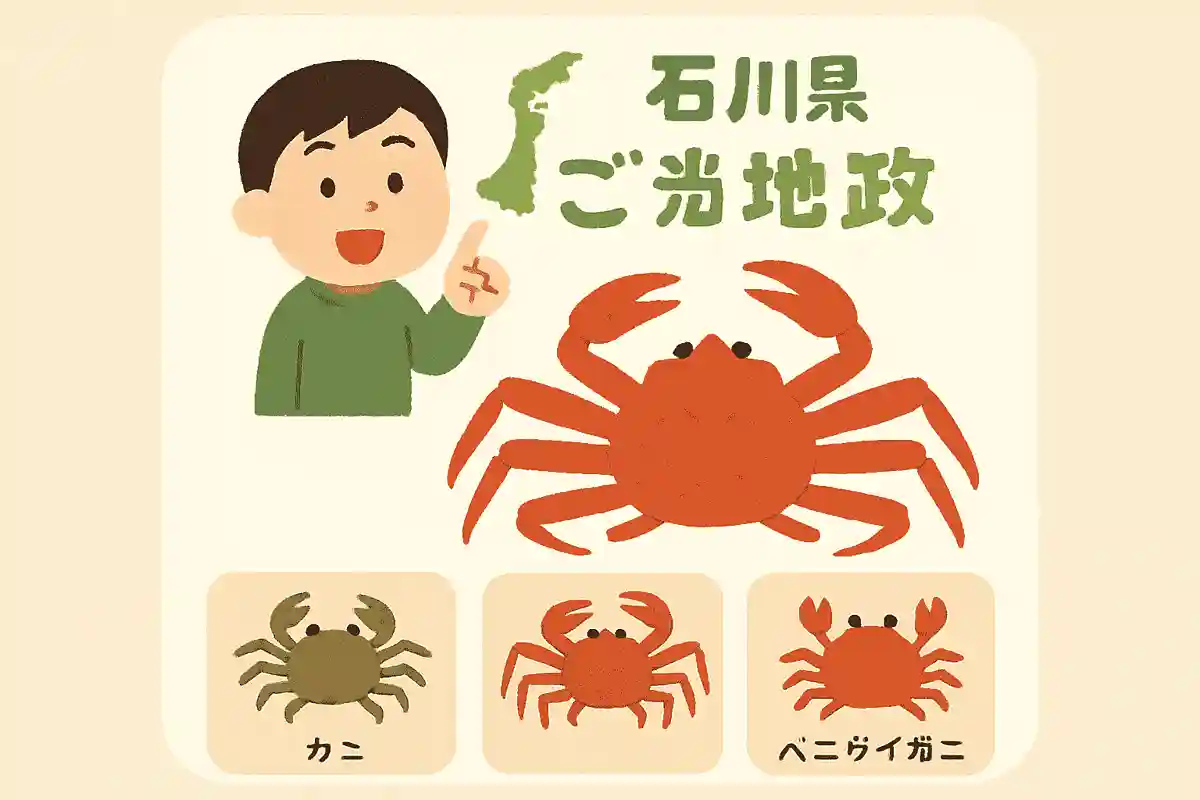
- flower box crab
- Ishibako crab
- female snow crab (Kobako-gani)
See the answer
female snow crab (Kobako-gani)
There are two famous branded crabs in Kanazawa City: “Kanō-gani” and “Kōbako-gani.” When the fishing season opens on November 6 each year, many people come from within and outside the prefecture to buy them. Among the Kanō-gani, the especially high-end ones are called “Kagayaki,” and a single crab can sometimes be auctioned for 5 million yen. Kanazawa’s crabs are known for being very high-end and delicious.
What is the item of which Ishikawa Prefecture accounts for 98% of Japan’s production?
- Wajima lacquerware
- gold leaf
- Kaga Yuzen (Kaga-style Yuzen dyeing)
See the answer
gold leaf
Kanazawa City in Ishikawa Prefecture has ideal weather and water for making gold leaf, and many artisans have been producing it there since long ago. Even today, most of the gold leaf used in Japan is made in Ishikawa. The ultra-thin gold leaf is not only used to decorate tableware and buildings, but can also be placed on soft-serve ice cream to eat—it’s beautiful and very popular.
Which of the following is the smallest municipality by area in Ishikawa Prefecture?
- Nonoichi City
- Nakanoto Town
- Uchinada Town
See the answer
Nonoichi City
The city with the smallest area in Ishikawa Prefecture is Nonoichi. It’s located in the central part of the prefecture. Although it’s small in size, it has a fairly large population, and its population density is the highest in the prefecture. Because it’s right next to Kanazawa, many people commute there. For that reason, Nonoichi serves an important role as a bedroom community and a place to live. It’s a small city, but it attracts people.
Which of the following is the meaning of “enjyomon,” a dialect word from Ishikawa Prefecture?
- People from outside the prefecture
- a person from overseas
- a local (person)
See the answer
People from outside the prefecture
There’s a dialect word in Ishikawa Prefecture: “enjomon.” “Enjomon” means “a person who came from outside the prefecture.” For example, if you say, “That person is an enjomon,” it means “That person is from somewhere other than Ishikawa Prefecture.” People in Ishikawa have long used this word to distinguish people who came from other places. It’s an interesting word that reflects the local lifestyle and linguistic culture.