

![[For Elementary School Students] A Four-Choice Proverb Quiz Recommended for Kids](https://media.ragnet.co.jp/img/1200__png__https://www.studiorag.com/files/2025/05/06e9ab418d64f6b9db51de729d6fe83f.webp)

Proverbs, which convey lessons and knowledge passed down by our predecessors, are studied in many settings, starting with Japanese class in elementary school.
In this article, we’ve compiled a quiz focused on the proverbs children learn in elementary school.
Since you choose answers from multiple options, you can give it a try even if you don’t understand just from the question text.
When you check the answers, it’s also a good opportunity to deepen your understanding with the explanations of each proverb.
Be sure to try learning proverbs you can enjoy while answering quiz questions!
- [Easy] Quizzes That Elementary School Students Can Solve! A Collection to Nurture Wisdom
- Fun quizzes for elementary school kids: a collection of questions everyone can enjoy together
- Become a trivia master with a multiple-choice quiz for elementary schoolers! A fun problem collection that captivates both kids and adults
- [Playable from lower grades] Japanese language games and activities
- [For Elementary School Students] Trivia About April
- [For Elementary School Students] Cipher Quiz: Fun Puzzle Riddles
- Let's take on a four-choice quiz that everyone can enjoy together!
- [Easy] Quiz for Middle School Students
- [For Kids] November Trivia Quiz & Fun Facts: Let’s Learn While Having Fun!
- [For Kids] December Trivia Quiz & Fun Facts! Learn about seasonal events and traditions!
- So tricky you’ll be fooled! A collection of trick riddles that both adults and kids can enjoy.
- [For Seniors] Enjoyable Brain Training! Proverb Quiz Collection
- [For Elementary School Students] Fun and Effective Prefecture Quiz
[For Elementary School Students] A 4-Choice Proverb Quiz Recommended for Kids (1–10)
X years even on a stone
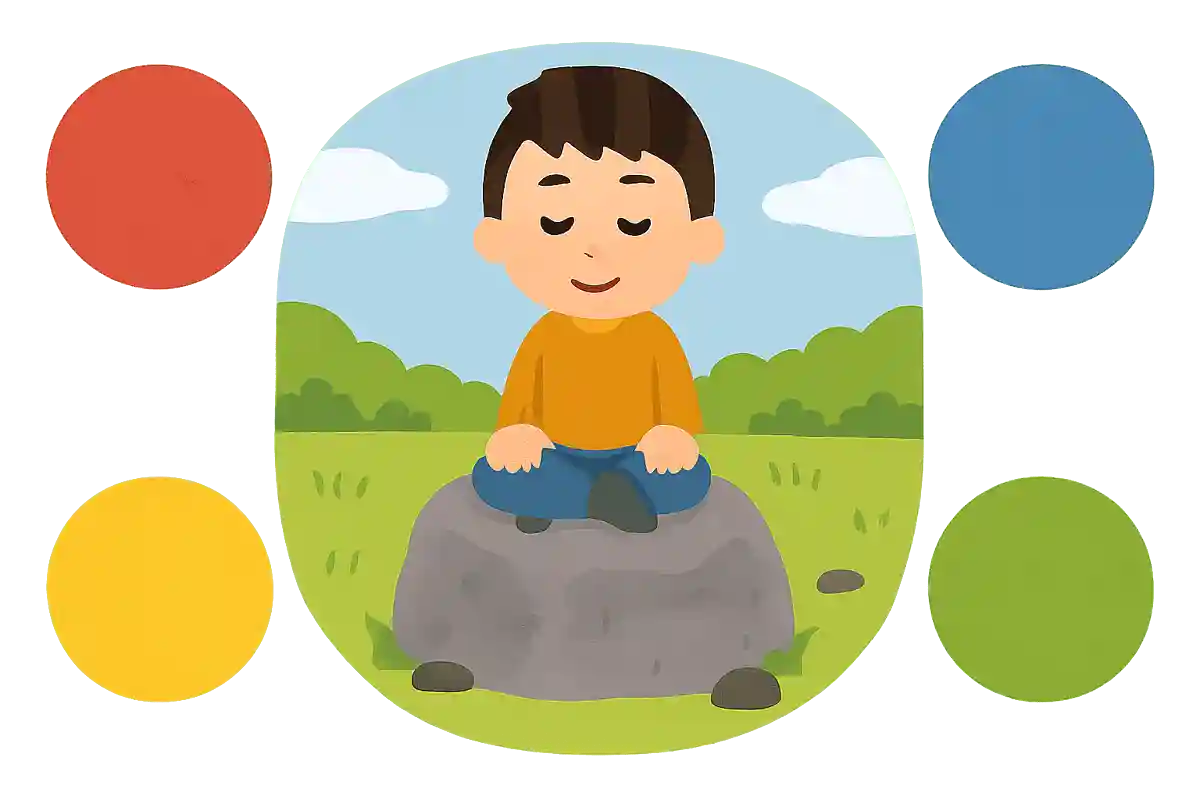
- 2
- 3
- 5
- 7
See the answer
3
The Japanese proverb “Ishi no ue nimo sannen” literally means “Even on a stone, sit for three years,” and conveys the idea that once you start something, you should stick with it for at least three years. Whether it’s a hobby or a job, there are times when things don’t go well and you feel it doesn’t suit you. Even so, if you keep at it with the belief that perseverance leads to success, you’ll produce some kind of result. It’s a saying to remember when you feel like your spirit is about to break.

strong as an ogre with an iron club

- parent
- oni; demon; ogre; spirit (depending on context)
- wife; bride; (colloquial/otaku slang) waifu
- mother
See the answer
oni; demon; ogre; spirit (depending on context)
The proverb “oni ni kanabō” means that someone who is already strong becomes even more powerful by gaining a weapon or advantage. Indeed, if a demon came at you wielding an iron club, it’s hard to imagine a human could win. There are similar expressions with the same nuance, such as “tora ni tsubasa” (wings on a tiger), “Benkei ni naginata” (a halberd for Benkei), and “kakeuma ni muchi” (a whip for a running horse). Learning them together will broaden your vocabulary.
Skills are a lifeline.
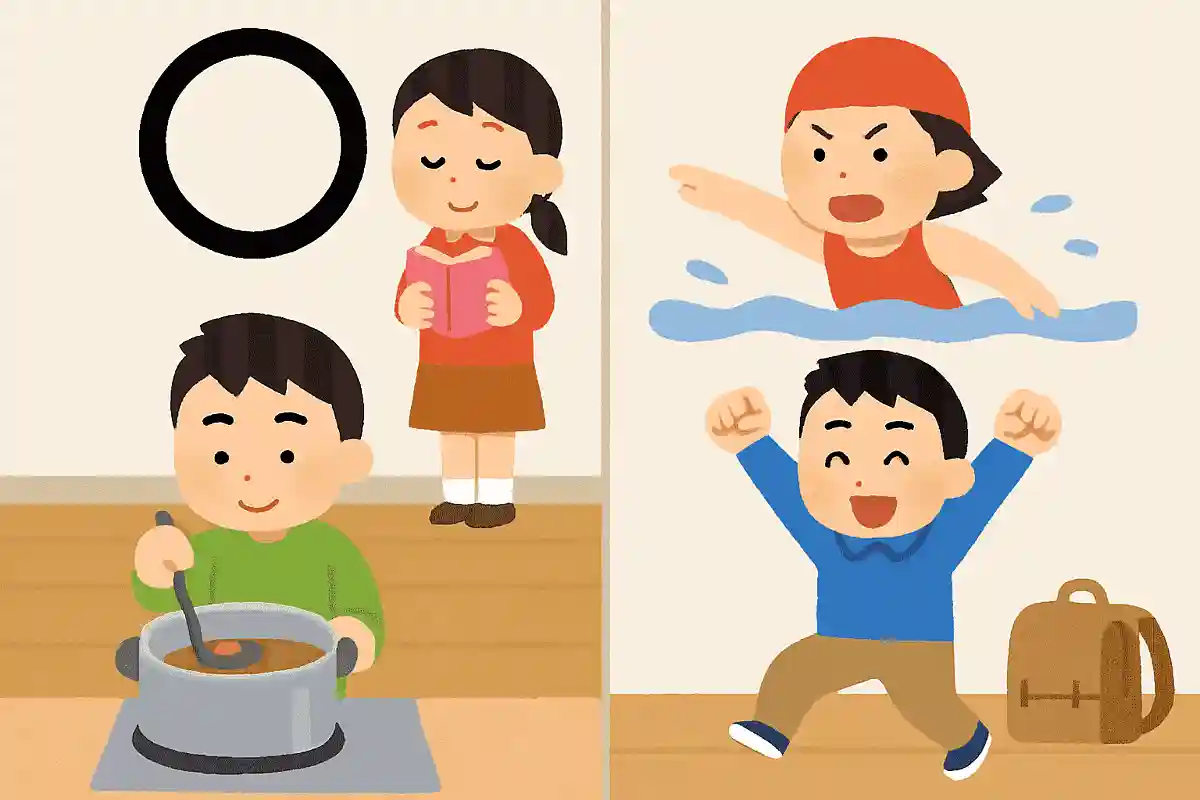
- head
- art; craft; performance; accomplishment (context-dependent)
- effort
- study
See the answer
art; craft; performance; accomplishment (context-dependent)
The proverb “Waza wa mi wo tasukeru” (literally, “Art/skill saves the body”) means that having a special skill can help you in times of trouble. Even if you lose your current job, the skills or hobbies you’ve acquired can lead to new work—an apt lesson for today’s society that values diversity. Of course, the effort and study mentioned in other options also become one’s strength, so this proverb teaches the importance of dedicating yourself to something.
To hide your face but not your rear (i.e., a clumsy attempt to conceal something; a poor cover-up)
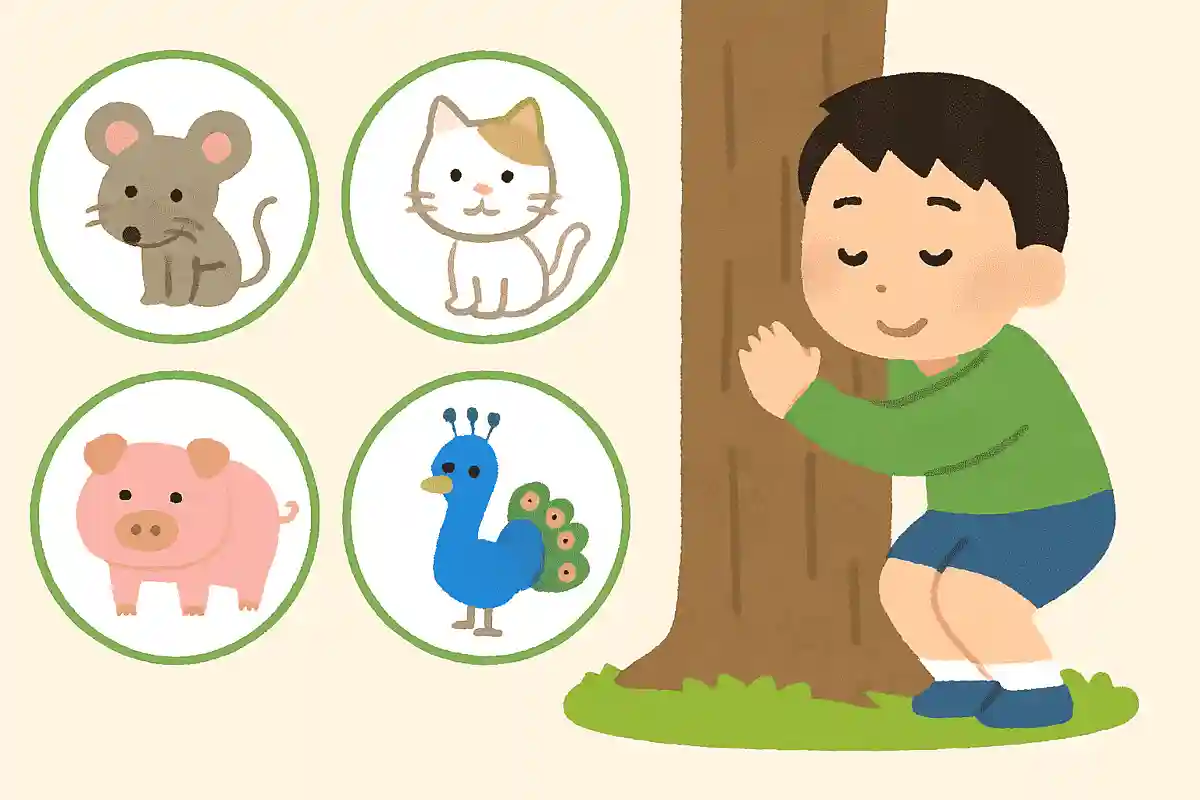
- foot
- head
- neck
- face
See the answer
head
It means that even if someone thinks they’ve hidden their wrongdoing or flaws, the crucial parts are still exposed, so the truth is quickly revealed. It’s easy to understand if you picture an animal hiding in the grassland with only its head concealed.

Make hay while the sun shines.
- love
- good
- Travel
- play
See the answer
good
The proverb “make hay while the sun shines” (literally, “good deeds should be done without delay”) means that once you judge something to be good, you should act on it immediately. It’s a phrase that reflects decisiveness and initiative, and it’s a very important lesson in both work and study. You might feel it conflicts with “more haste, less speed,” but that saying urges caution rather than simply taking the shortest path. So, think in a way that leads to better results: act quickly when it’s good to do so, yet, as in “more haste, less speed,” proceed prudently.
Practice makes perfect.

- interest
- like; to like; fond of
- Talent
- play
See the answer
like; to like; fond of
The proverb “Suki koso mono no jouzu nare” means that if you truly love something, you’ll improve at it quickly. When people are interested in something, they take initiative, practice or study without feeling it’s a burden, and time seems to fly by. It teaches us that liking something—more than talent or innate sense—is the most important and valuable factor.
Make cute kids do 〇.

- hardship; toil; trouble; difficulties
- Adventure
- Travel
- study
See the answer
Travel
If you truly love your child, don’t spoil them—let them experience the harshness of the world. This is the meaning of the proverb “Kawaii ko ni wa tabi o saseyo,” literally, “Send a beloved child on a journey.” It carries the message: if parents do everything in advance for their child, the child won’t grow, so be careful. There is a similar saying, “Wakai toki no kurō wa katte demo seyo” (“Endure hardships while you’re young,” or “Even pay to experience hardship when you’re young”), so be careful not to confuse the two.