

For elementary school students! A recommended collection of famous haiku using spring kigo

Spring is a beautiful season when nature buds and creatures begin to stir.Haiku that express these spring scenes in the rhythm of 5-7-5 are a perfect opportunity for elementary school students to experience the joy of words.If you choose familiar spring themes such as cherry blossoms, tulips, entrance ceremonies, or cherry-blossom viewing, children will find it approachable and engaging.In this article, we will introduce plenty of spring haiku suitable for elementary school students.We will also share how to use seasonal words and tips for composing, so why not enjoy spring haiku together with your child?
- [For Elementary School Students] Spring Kigo for Haiku Writing! A Collection of Fun, Easy-to-Memorize Ideas
- [For Middle School Students] Also Helpful for Haiku Writing! A Collection of Famous Haiku Using Spring Seasonal Words
- [Winter Haiku] A collection of poems written by elementary school students. Excellent works that skillfully use seasonal words.
- Picture books perfect for spring that are recommended for elementary school children. Picture books that make them look forward to going to elementary school.
- Brain training with spring kigo! A collection of ideas for common words you can use in haiku and conversation
- [For Elementary School Students] Turn Summer Memories into Haiku! A Collection of Fun Summer Haiku Ideas
- [For Elementary School Students] Trivia About April
- [Spring Quotes] Glamorous words perfect for adding color to a new beginning
- Recommended for elementary school students! Ideas for composing summer haiku
- Let's enjoy learning winter seasonal words! A collection of easy-to-use word ideas for elementary school students
- [Winter Haiku] A collection of poems composed by junior high school students: a beautiful and amusing anthology that vividly evokes scenes
- [For Elementary Students] A Collection of Beautiful Four-Character Idioms to Know
- [Elementary School Senryu] A Collection of Hilarious Masterpieces about Summer Vacation, Friends, and School Life. Tips and Explanations Learned from Outstanding Works
For elementary school kids! Recommended collection of famous haiku using spring kigo (1–10)
Every year, when the equinox begins, it’s cold.Masaoka Shiki
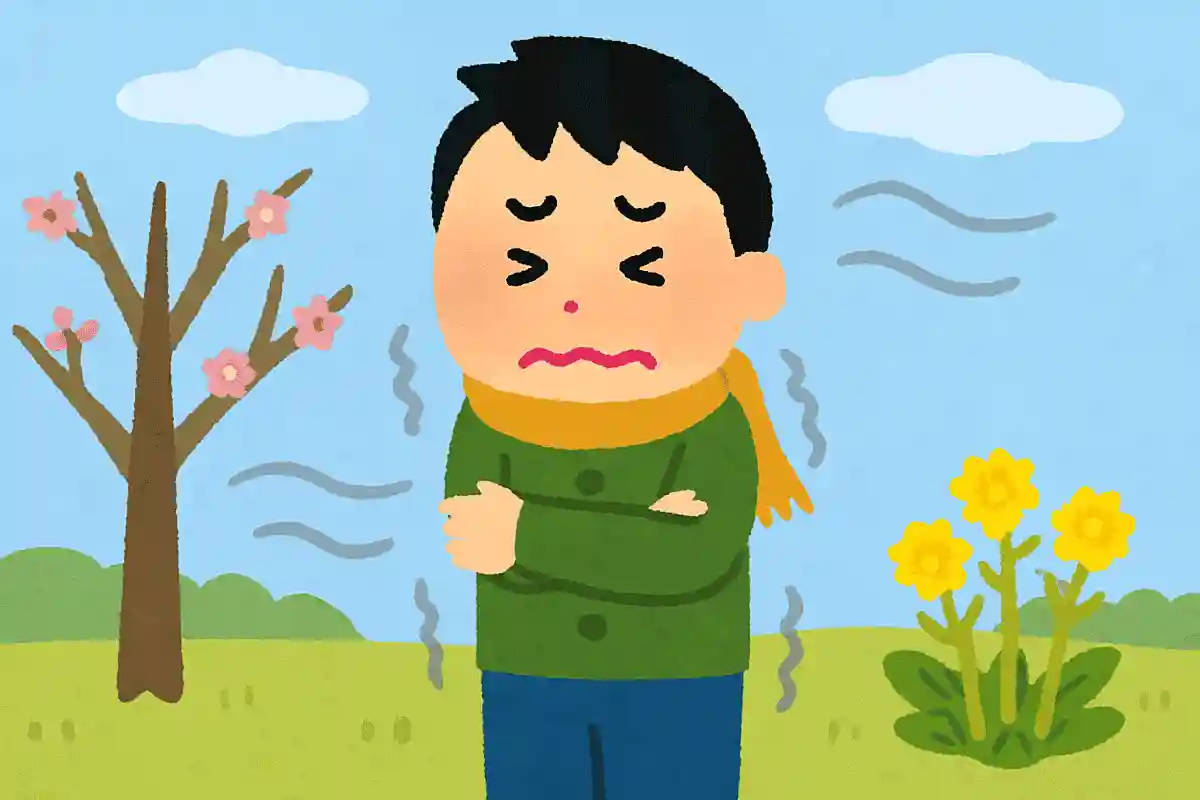
Some of you probably thought it sounded like a line from a drama or a movie, right? In fact, it’s said that this haiku was shaped by Masaoka Shiki from words his mother casually uttered.
That’s why it has a bit of a scripted feel.
The equinoctial week (Ohigan) comes twice a year, around the spring and autumn equinoxes, but the word “cold” in this haiku tells us it refers to the spring Ohigan.
There’s also a saying, “Heat and cold last until Ohigan.” Sensing those subtle seasonal shifts is one of the pleasures of haiku.
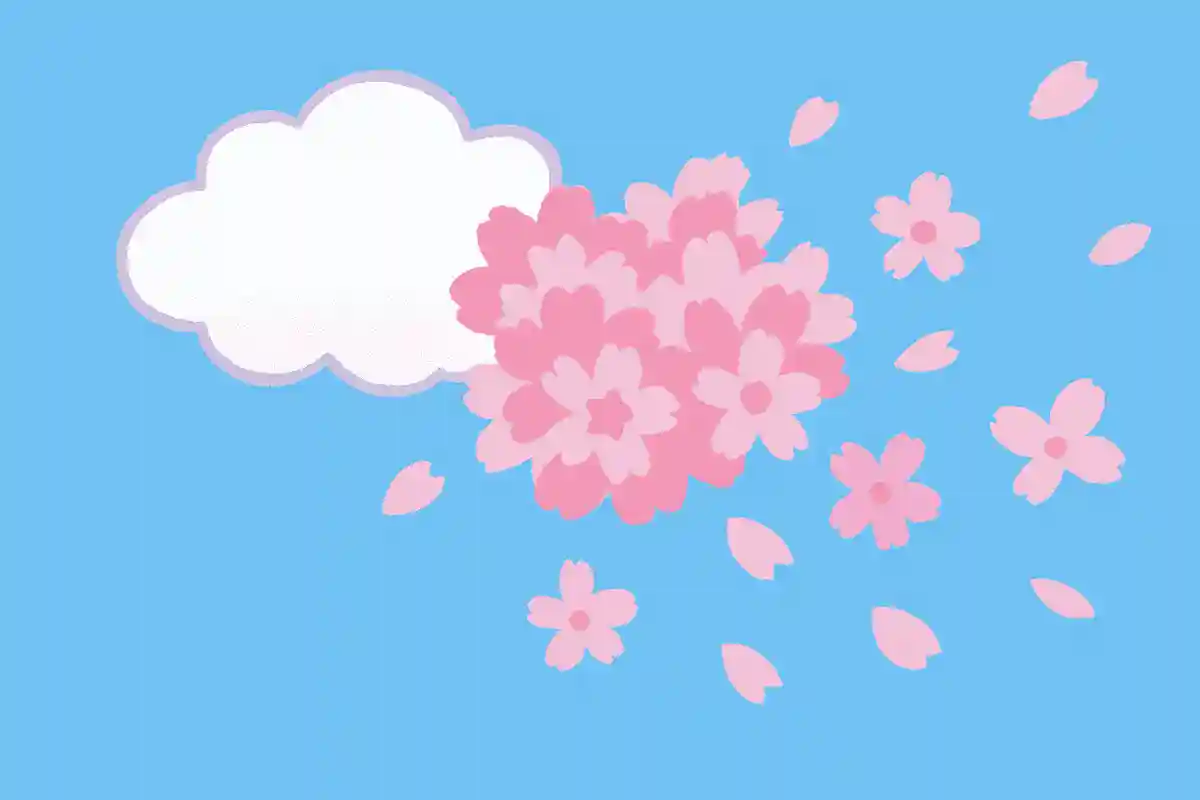
A drifting cluster of petal-blizzard in the skyTakano Soju
Takano Sojû is pronounced “Takano Sojū.” Known for his precise descriptive scenes, Mr.
Takano was also a medical doctor.
In a flower blizzard, petals usually scatter and fly off in all directions, right? But in this flower blizzard, they seem to fly together as if they had a will of their own, and in that I feel a sense of regret for the passing spring.
Cherry blossoms falling marks the end of spring; the feeling of “Ah, spring is ending” lives in this haiku.
As for cherry blossoms, ohanami (flower viewing) is also a spring season word.
If you firmly hold back the “Ohanami is so much fun!” feeling when composing, you might produce a really good haiku!
Out in the fields, everyone is kind—peach blossoms.Takano Soju
Compared to cherry blossoms, peach blossoms have a certain flashiness.
While cherry blossoms tend to be pale in color, peach blossoms often conjure an image of a deep pink.
There’s even the term “Tōgenkyō,” meaning a dreamlike, otherworldly utopia.
What kind of image do peach blossoms evoke for you? The severe cold has eased, and warm spring has arrived.
Noticing that people passing by seem cheerful in some indefinable way, I turned the softening of people in the arrival of spring into a haiku.
In the phrase “hito mina yasashi” (people are all yasashi), yasashi doesn’t simply mean “kind.” The image of their gentle calmness, in turn, calls to mind peach blossoms again.
For Elementary School Kids! A Recommended Collection of Famous Haiku Using Spring Seasonal Words (11–20)
Swaying and swaying, spring is passing by—the field’s grasses.Kobayashi Issa
It depicts the season of spring, where the grasses in the field sway gently in the wind, telling us that spring has arrived.
The phrase “yusa yusa to” conveys the swaying of the grass and the gentle movements of spring.
“Haru ga yuku zoyo” expresses the joy of spring leisurely spreading across the field.
It’s a haiku that gently conveys the excitement of feeling spring in nature and the connection between the grass and spring, making it easy for elementary school children to visualize the arrival of spring.

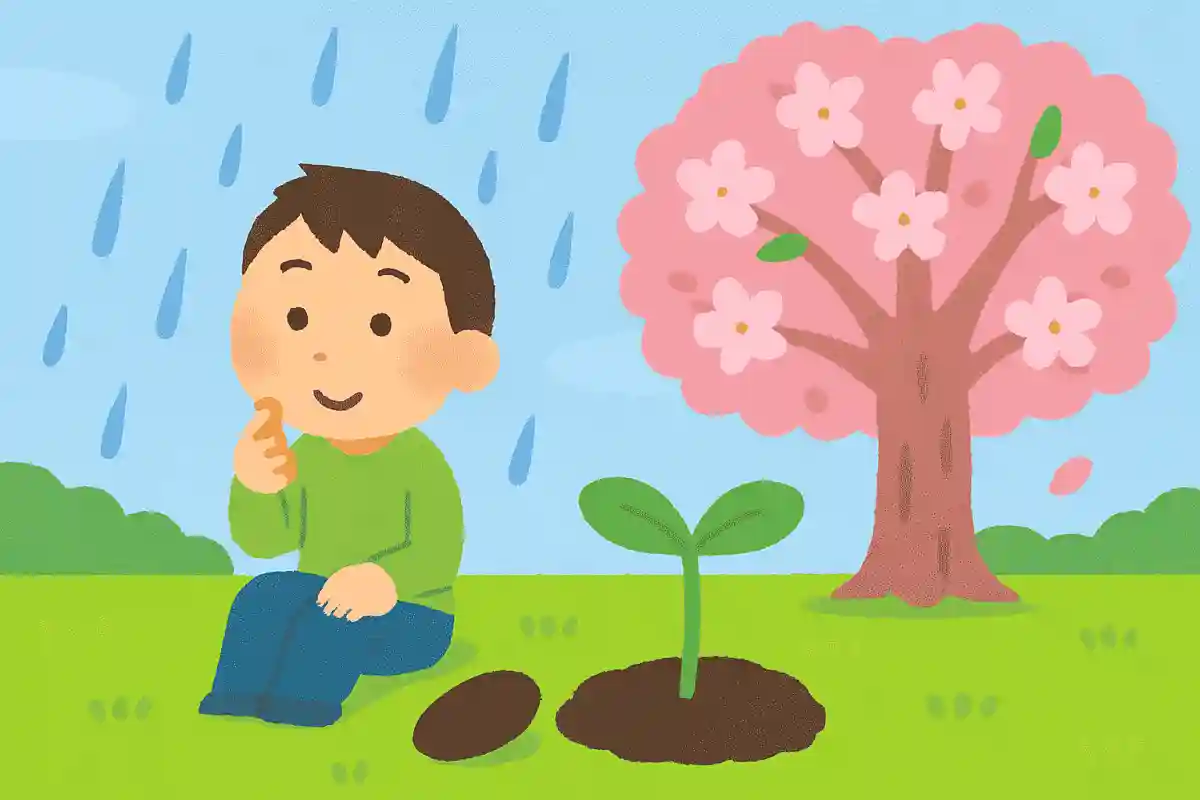
Spring rain— even in twin sprouts smolders the eggplant seedMatsuo Bashō
A quiet, comfortable spring night—a season easy to spend time in.
On that night, as you linger, gazing at the cherry blossoms, you become absorbed in their joy and beauty, and before you know it, dawn breaks and morning arrives.
The word “shimahikeri” carries a hint of the gentle sadness that comes when a happy time has ended.
This verse conveys the beauty of the cherry blossoms and the tender mood of a spring night, letting you feel the delight of naturally connecting with nature.
It’s a haiku that even elementary school children can use to clearly understand the charm of a spring night and cherry blossoms.
Spring is departing— the birdless fish’s eyes are tears.Matsuo Bashō
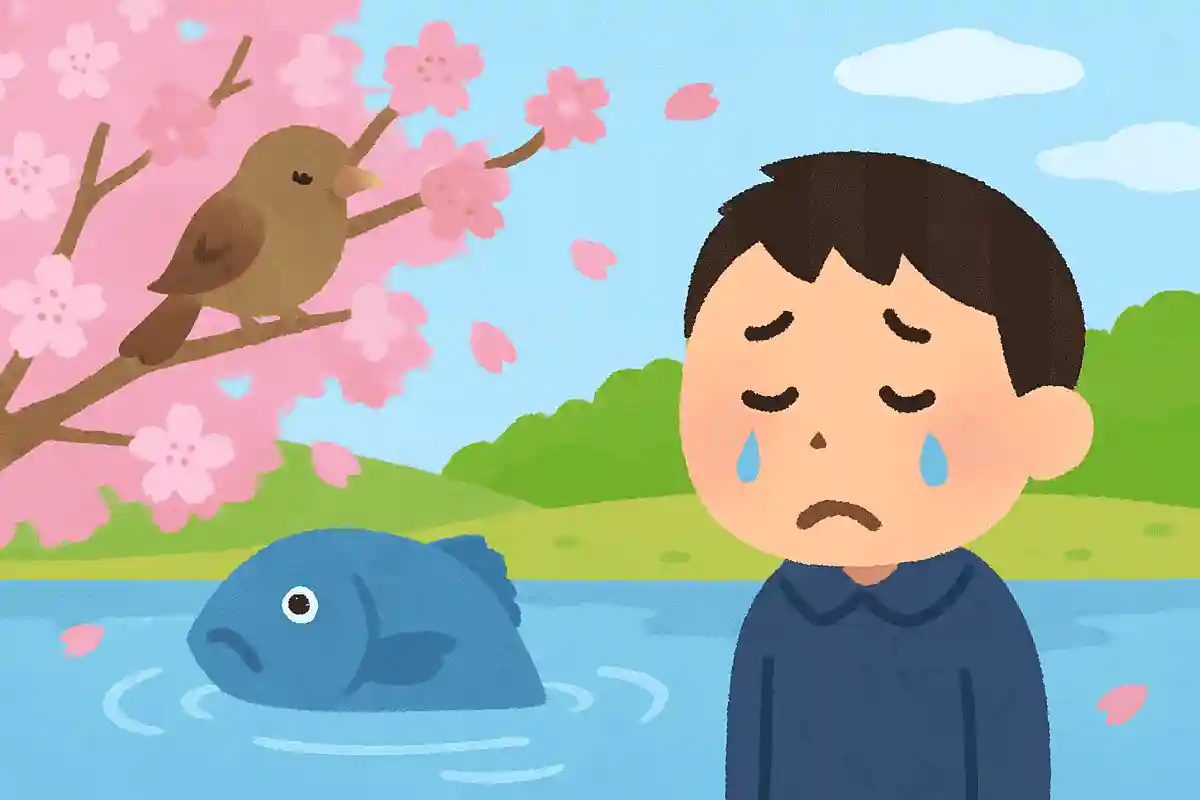
By beginning with “Departing spring,” it tells us that spring is about to end.
Sensing tears in the eyes of birds and fish expresses a faint sadness and a tenderness toward nature at spring’s close.
The line “birds cry, fish’s eyes are tears” depicts even small creatures of nature as if they feel the end of spring, conveying its transience and a gentle sentiment.
Even elementary school children can sense the lingering regret for passing spring and the beauty of nature in this haiku.
A spring night has ended with the cherry blossoms.Matsuo Bashō
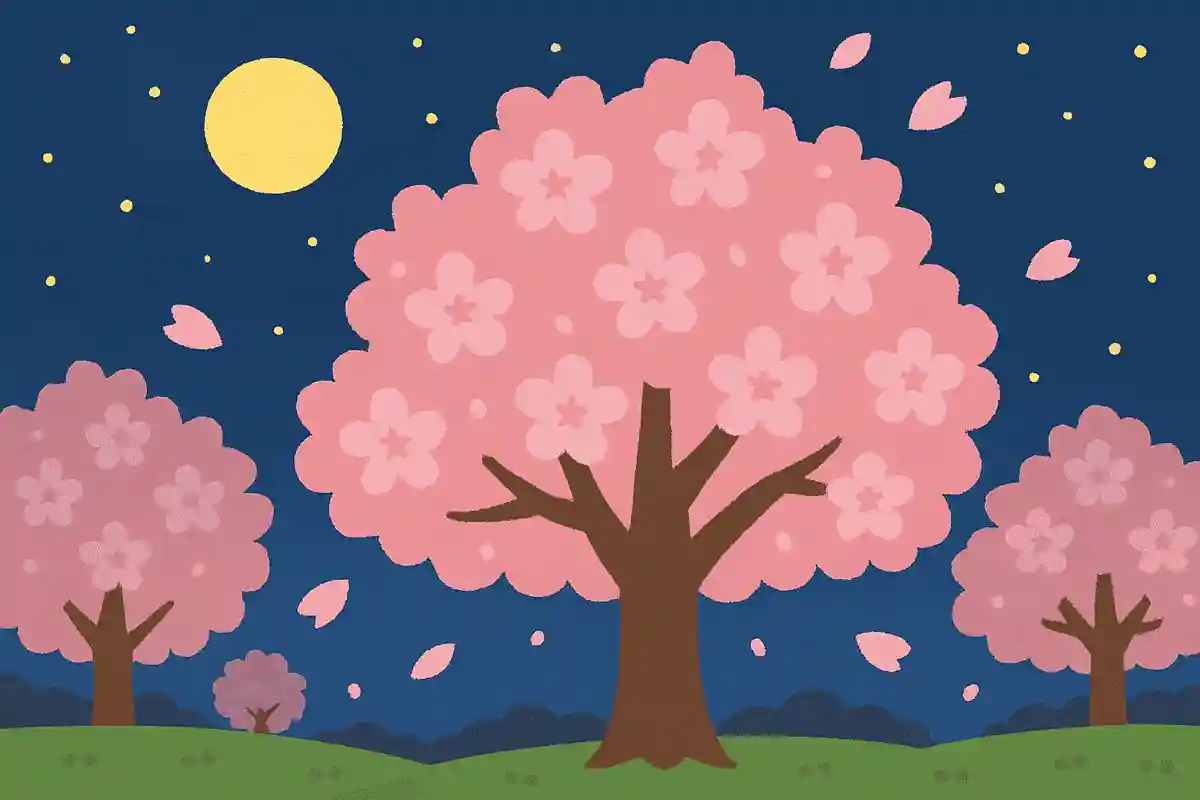
Spring nights are warm and comfortable.
This passage depicts a scene where, while leisurely gazing at the cherry blossoms, one has so much fun that they lose track of time, and before they know it, the night ends and morning arrives.
The word “shimahikeri” carries a lingering regret that the delightful night has come to an end.
In just a few quiet words, the haiku conveys the beauty of cherry blossoms and the gentle calm of a spring night, allowing even elementary school students to feel the excitement of spring and the beauty of nature.