

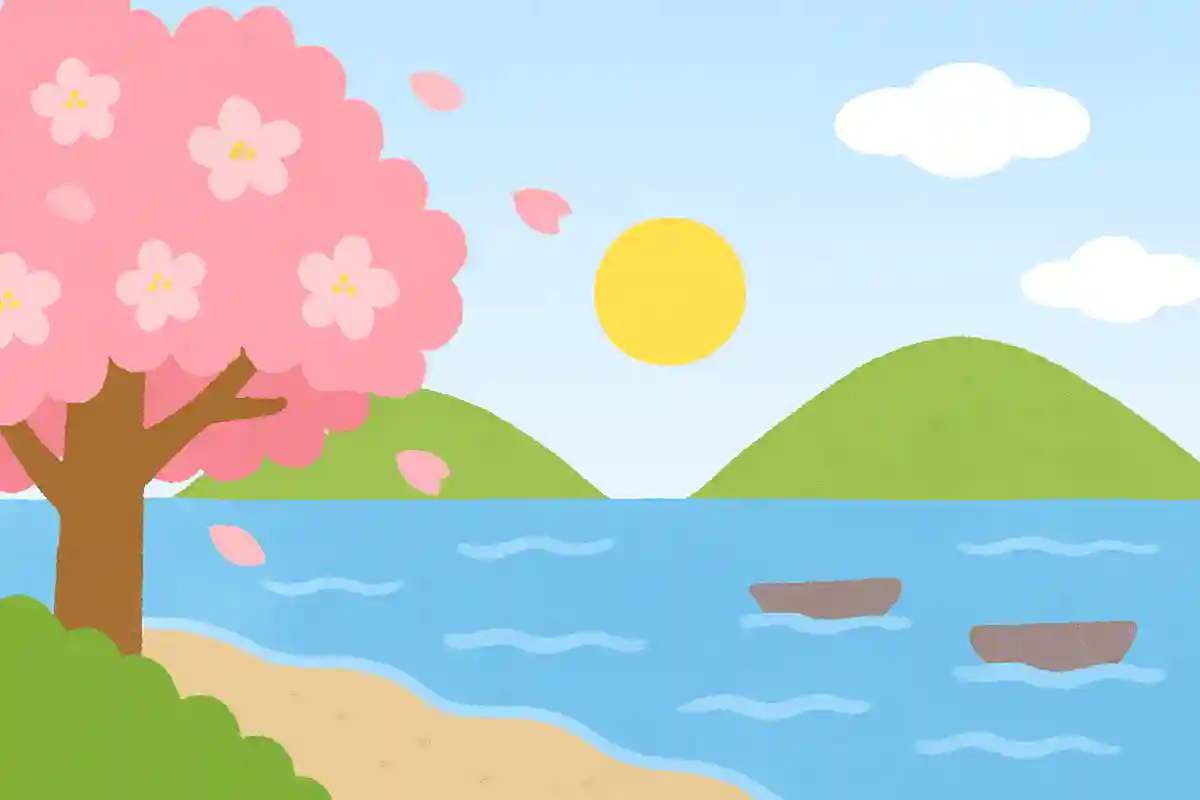

Spring is a beautiful season when nature buds and creatures begin to stir.Haiku that express these spring scenes in the rhythm of 5-7-5 are a perfect opportunity for elementary school students to experience the joy of words.If you choose familiar spring themes such as cherry blossoms, tulips, entrance ceremonies, or cherry-blossom viewing, children will find it approachable and engaging.In this article, we will introduce plenty of spring haiku suitable for elementary school students.We will also share how to use seasonal words and tips for composing, so why not enjoy spring haiku together with your child?
- [For Elementary School Students] Spring Kigo for Haiku Writing! A Collection of Fun, Easy-to-Memorize Ideas
- [For Middle School Students] Also Helpful for Haiku Writing! A Collection of Famous Haiku Using Spring Seasonal Words
- [Winter Haiku] A collection of poems written by elementary school students. Excellent works that skillfully use seasonal words.
- Picture books perfect for spring that are recommended for elementary school children. Picture books that make them look forward to going to elementary school.
- Brain training with spring kigo! A collection of ideas for common words you can use in haiku and conversation
- [For Elementary School Students] Turn Summer Memories into Haiku! A Collection of Fun Summer Haiku Ideas
- [For Elementary School Students] Trivia About April
- [Spring Quotes] Glamorous words perfect for adding color to a new beginning
- Recommended for elementary school students! Ideas for composing summer haiku
- Let's enjoy learning winter seasonal words! A collection of easy-to-use word ideas for elementary school students
- [Winter Haiku] A collection of poems composed by junior high school students: a beautiful and amusing anthology that vividly evokes scenes
- [For Elementary Students] A Collection of Beautiful Four-Character Idioms to Know
- [Elementary School Senryu] A Collection of Hilarious Masterpieces about Summer Vacation, Friends, and School Life. Tips and Explanations Learned from Outstanding Works
For elementary school kids! Recommended collection of famous haiku using spring kigo (1–10)
Spring sea— all day long, gently swaying, softly swaying.Yosa Buson
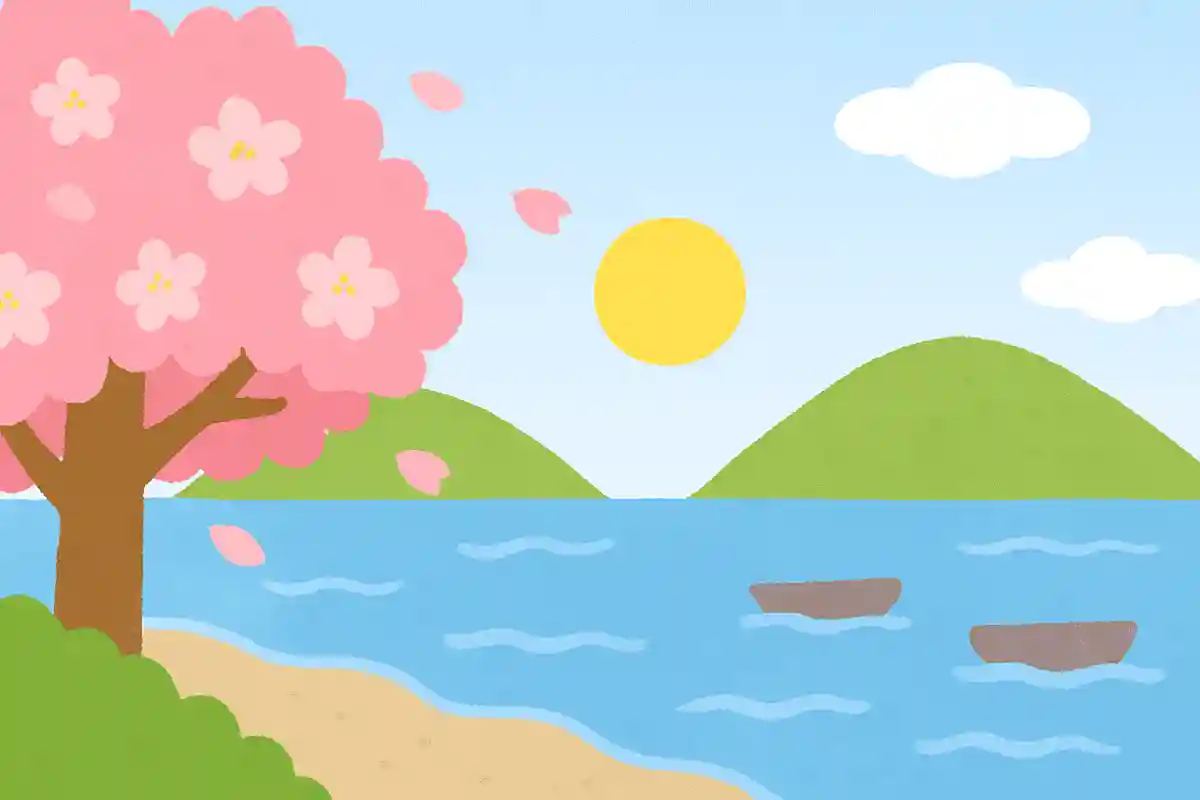
Unlike the rough seas of winter, the spring sea moves with slow, gentle waves, offering a calm and peaceful scene.
By repeating “hinemosu notari notari kana,” it conveys the sense of waves idly moving all day long, expressing the sea’s breadth and tranquility.
From this verse, one feels the warmth of spring, the leisurely flow of time, and the gentle beauty of nature.
Even elementary school students can picture the spring sea’s quiet, unhurried mood and enjoy the feeling of appreciating springtime nature through this haiku.

Rape blossoms— the moon in the east, the sun in the westYosa Buson
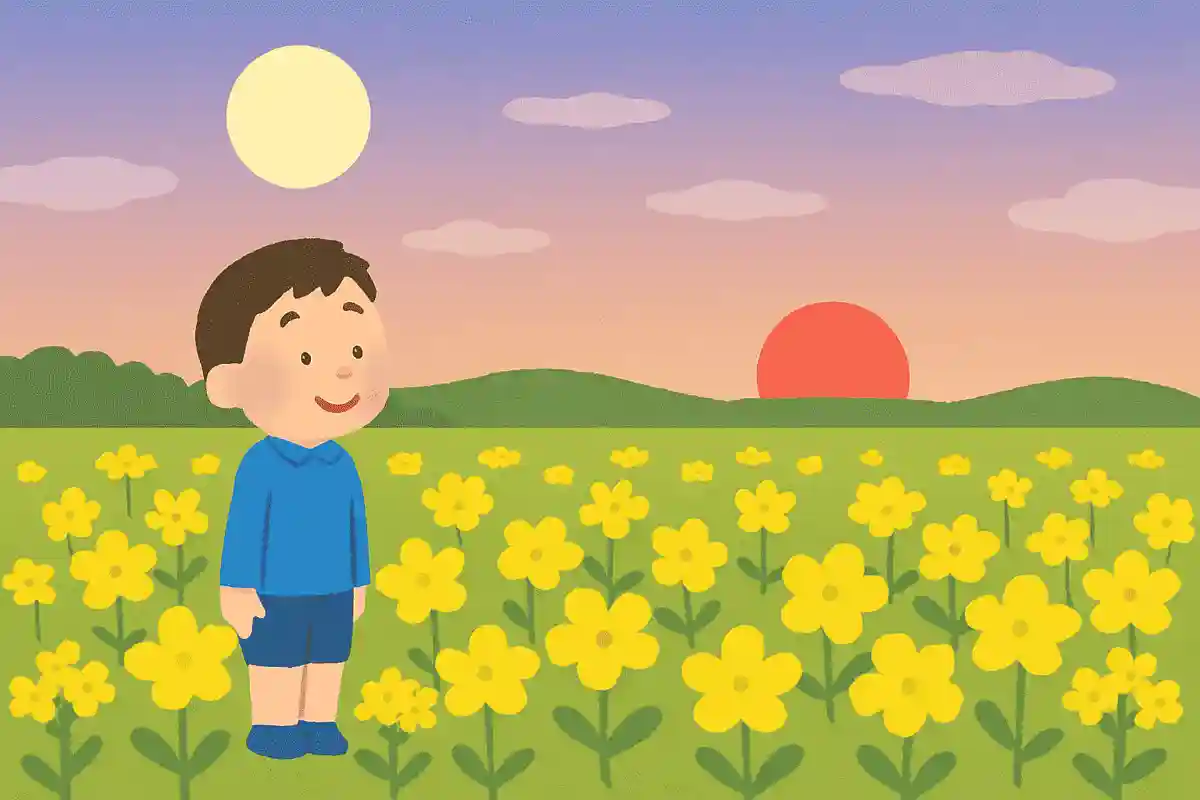
Did you know that the moon can be up even when it isn’t night? The sun is so bright that you can’t see it clearly, but spotting the moon as a pale, whitish blur can make you feel happy.
In spring, when rapeseed blossoms are in bloom, there are times when the sun and moon seem to switch places; Yosa Buson captured that feeling in a haiku.
There’s also a playful parody haiku that goes, “Rapeseed blossoms— the dog’s head to the east, its tail to the west.” Rapeseed, the seasonal word in the poem, is a plant popular not only for viewing but also as food.
Some of you may have eaten it before.
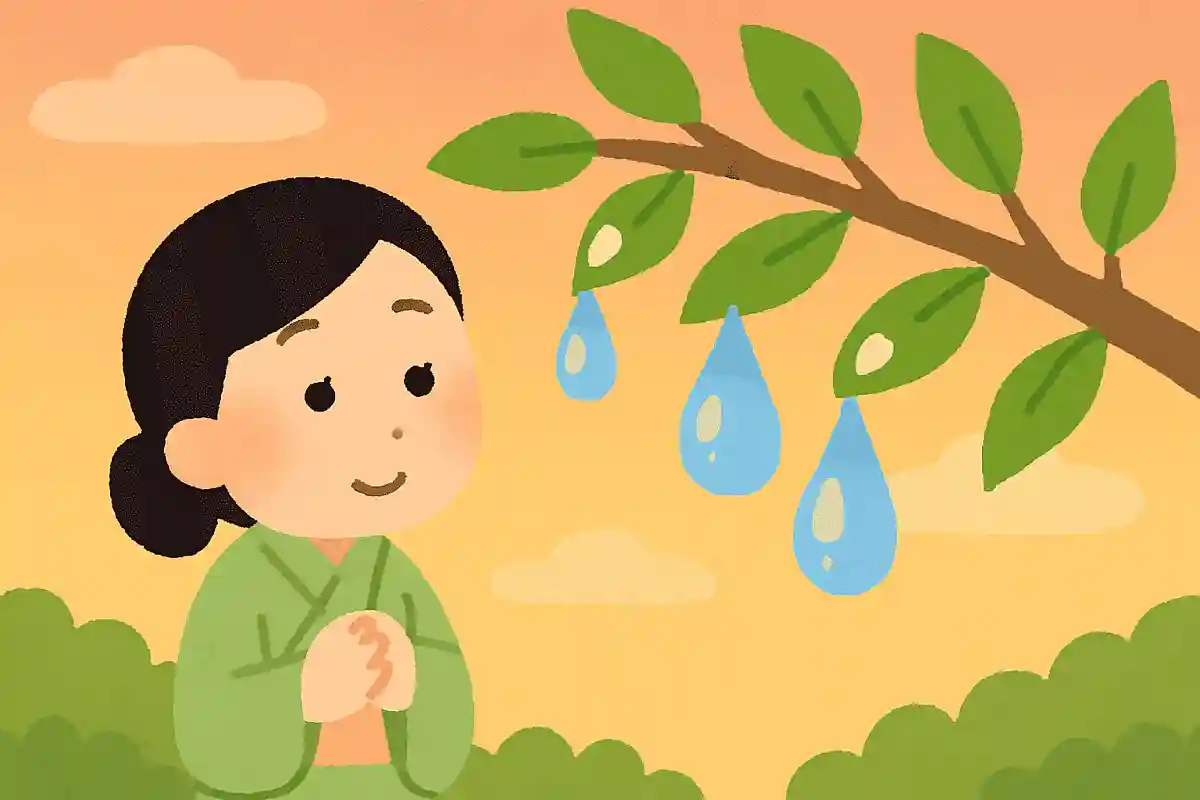
Morning and evening, how the droplets swell on these buds.Chiyojo of Kaga
The “ya” at the end of a haiku is read as “kana.” It’s one of the kireji, or cutting words, that heighten emotion.
It’s also one of the conventions of haiku that appears in upper elementary school textbooks.
Some people may already know this.
But what is “konomé” that comes before “ya”? In fact, it means “ki no me,” the buds of trees—like the buds of new branches and leaves.
In the morning or evening, you can see the droplets on these buds grow larger day by day, and you feel, “Ah, it’s spring, when plants bud,” rejoicing in the season’s arrival.
Haiku turn our feelings even toward small things like these buds.
What makes you feel spring the most?
Little sparrows, out of the way, out of the way—horses are passing.Kobayashi Issa
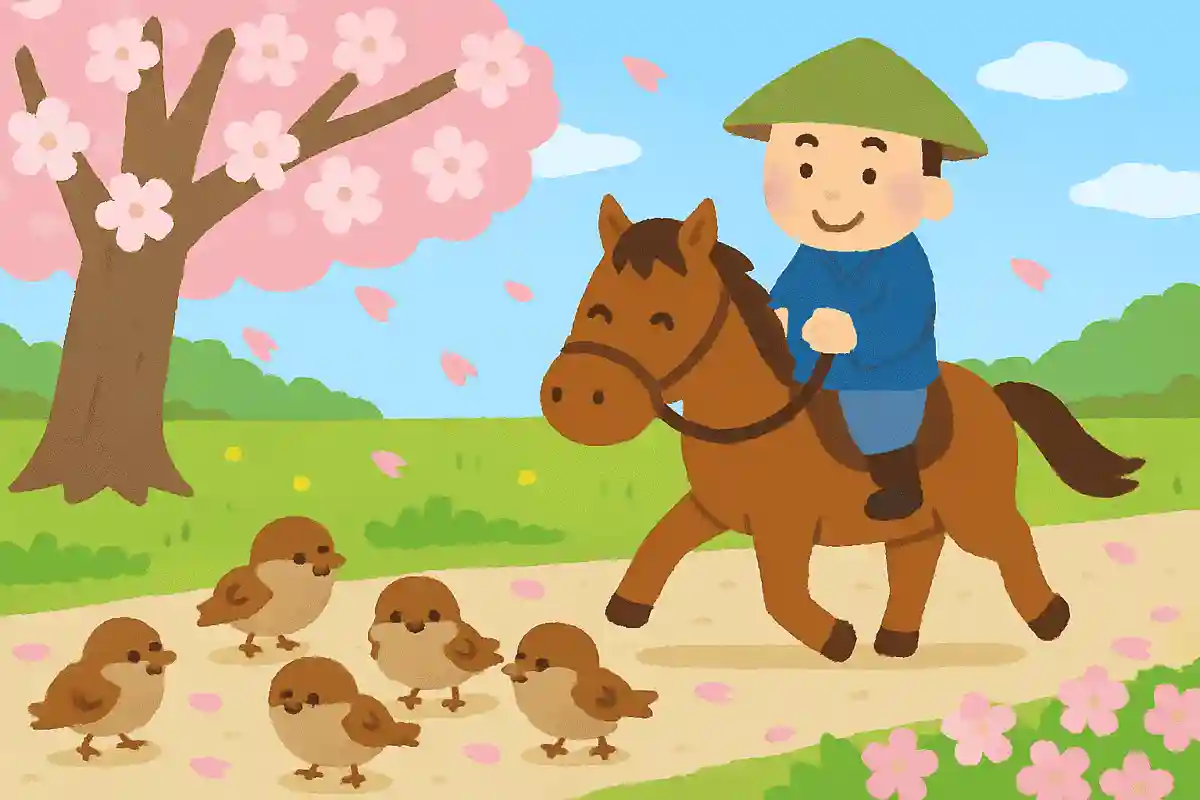
When spring arrives, little baby sparrows zip around lively in fields and gardens, playing happily.
When a horse passes by, it looks as if the tiny sparrows cry, “Make way, make way,” parting to clear the path.
In just a few words, it vividly captures the cuteness of small creatures and the easygoing bustle of spring.
Reading this haiku lets you feel the warmth of spring, the joy of nature, and the vitality of living things.
It’s a verse that even elementary school children can easily envision as a serene and bright spring scene.
Snow has melted— the whole village full of childrenKobayashi Issa
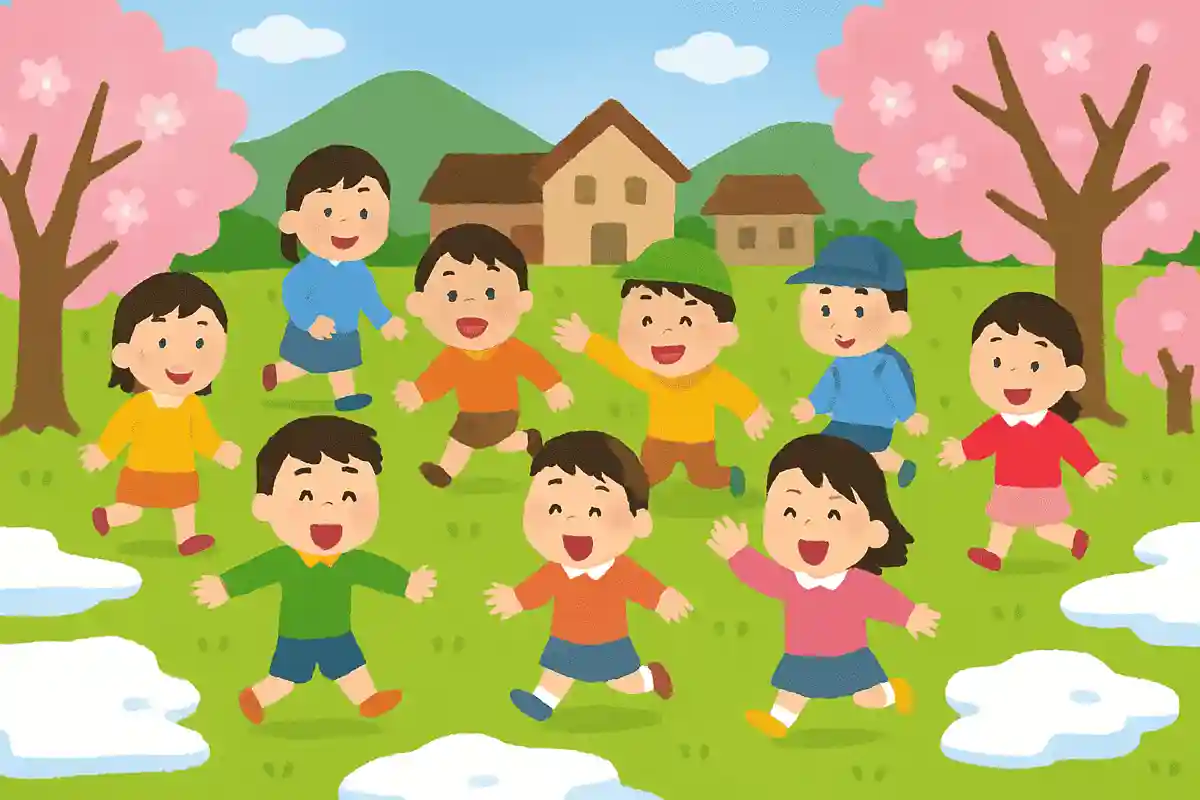
Kobayashi Issa actively made the lives of common people into haiku.
Children and animals appear frequently in Issa’s haiku.
Spring has come to a village that had been buried in snow and utterly still until then.
The snow melts, and lively children are dashing all around the village—he captured that peaceful moment in a haiku.
The key to this haiku is that instead of directly saying “lively,” he expresses it as “filling the whole village.” Snow is a winter season word, but when it melts it becomes a spring season word—using the same word “snow” to evoke different seasons.
Season words are mysterious, aren’t they?
An old pond— a frog jumps in— the sound of waterMatsuo Bashō
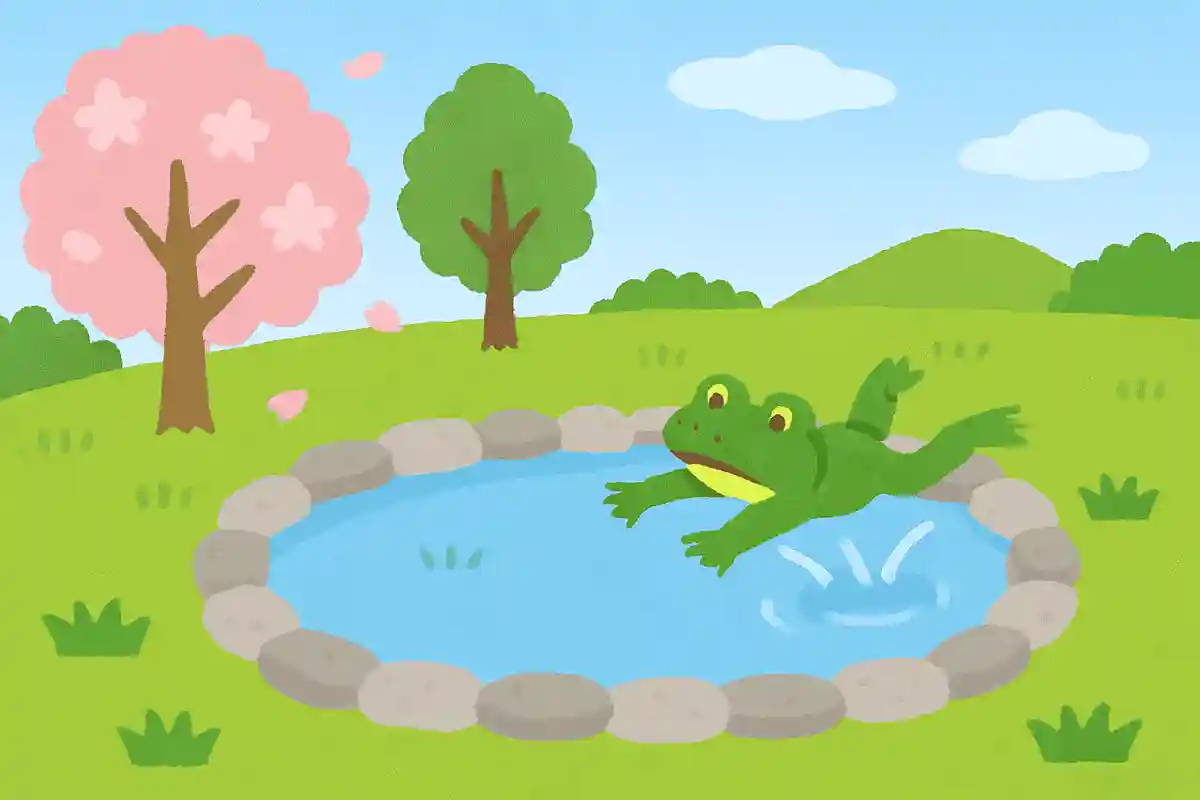
This is a famous haiku by Matsuo Basho, which also appears in school textbooks.
Even people who aren’t very familiar with haiku probably know it.
A frog jumps into a pond; in the stillness around, the “plop” of the frog’s splash echoes.
Hearing that sound, one feels, “There’s a distinctly Japanese elegance to this…” and the heart is soothed—such is the haiku.
Kawazu is another word for frog.
A frog awakening from hibernation is a spring season word, but a tree frog is a summer season word.
There are many kinds of frogs, aren’t there?
The bush warbler—its song can be heard even at the house next door.Masaoka Shiki
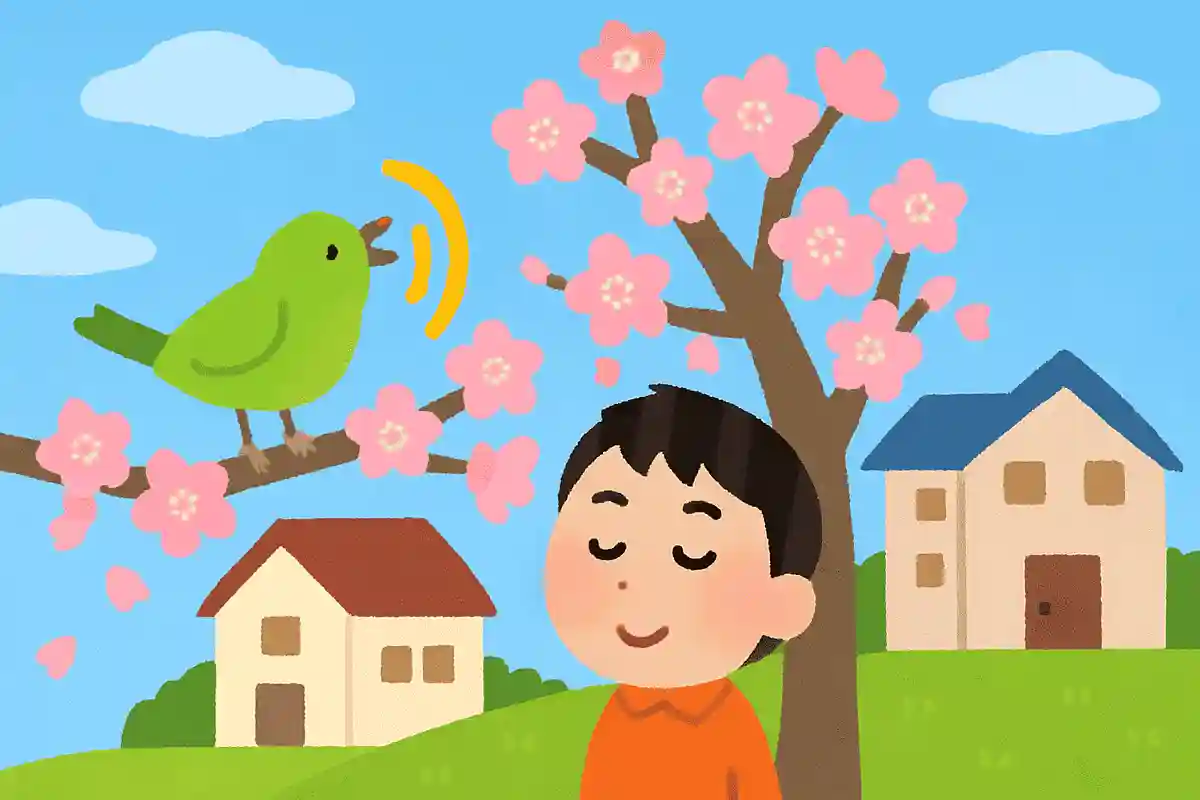
The bush warbler is a bird that heralds spring and sings with a beautiful voice.
In this verse, the warbler’s chirping is depicted as so clear that it carries all the way to the neighbor’s house.
Opening with “Uguisu ya” evokes the coming of spring, and “koe kikoë” conveys the liveliness and brightness of the bird’s song.
It’s a haiku that brings the springtime nature close at hand, letting one savor the joy and delight of spring through the bird’s voice.
It’s a verse that clearly conveys the arrival of spring and the fun of nature even to elementary school children.