

[For Elementary School Students] Spring Kigo for Haiku Writing! A Collection of Fun, Easy-to-Memorize Ideas

Have you ever been told to “use seasonal words” in a spring haiku or writing class and then felt stuck about what to write? In fact, spring kigo (seasonal words) aren’t just flowers like cherry blossoms and plum blossoms—there are plenty that are familiar to elementary school students, such as the Doll Festival.
In this article, we’ve gathered a wide range of easy-to-understand spring kigo for children.
We also explain their meanings and how to use them, so you can immediately put them to use when making haiku or doing Japanese language homework.
Be sure to find your favorite seasonal words!
- For elementary school students! A recommended collection of famous haiku using spring kigo
- Brain training with spring kigo! A collection of ideas for common words you can use in haiku and conversation
- [For Middle School Students] Also Helpful for Haiku Writing! A Collection of Famous Haiku Using Spring Seasonal Words
- Let's enjoy learning winter seasonal words! A collection of easy-to-use word ideas for elementary school students
- [For Elementary School Students] Turn Summer Memories into Haiku! A Collection of Fun Summer Haiku Ideas
- [Winter Haiku] A collection of poems written by elementary school students. Excellent works that skillfully use seasonal words.
- Recommended for elementary school students! Ideas for composing summer haiku
- [For Elementary School Students] Trivia About April
- [For Elementary Students] A Collection of Beautiful Four-Character Idioms to Know
- [Elementary School Students] Perfect for Kakizome! A Collection of Four-Character Idiom Ideas
- Interesting four-character idioms for elementary schoolers! Words you'll want to use once you understand their meanings
- [For Kids] Recommended in March! Easy Origami Ideas for Hinamatsuri (Girls’ Day) and Graduation Ceremonies
- [April] Spring Origami for Kids: A Collection of Simple and Cute Ideas
[For Elementary School Students] Spring Kigo You Can Use for Haiku! A Collection of Fun, Memorable Ideas (1–10)
kite

Spring in warm climates is a season that makes going out enjoyable.
You might see children running around in parks or having fun flying kites.
These kites were once called “ika” or “ikanobori” because their appearance in the sky, trailing paper tails, resembled squid.
There is a theory that during the Edo period, when flying “ikanobori” was banned, the name changed from “ika” (squid) to “tako” (octopus).
In the world of haiku, kites are cherished as a seasonal word for spring.
It might be fun to compose haiku about kites riding the wind high into the sky, children playing happily, or a scene where a kite gets caught in a tree.

Grass Sprout

“Sprouts of grass” refers to the young shoots of various plants that peek out of the ground in the warm spring, and it is used as a seasonal word for spring in haiku.
It is not limited to named plants like horsetails, Persian speedwell, or dandelions, but is a spring kigo that encompasses all sprouts, including weeds.
Many people may feel like going for a walk when spring arrives.
In the mild weather, seeing small green new leaves can make you feel the arrival of spring and the breath of the earth.
Why not turn the small moments of spring you notice in everyday life into a haiku? It will be a lovely time to notice new discoveries and encounters.
excursion

For children, nothing is more delightful than the spring field trip.
I can vividly recall running hand in hand with friends, a backpack stuffed with a boxed lunch on my back.
Just hearing the word “ensoku” (field trip) somehow makes you feel happy—did you know it’s actually a seasonal word for spring? It perfectly evokes the image of cheerful children on a warm spring day.
When retracing nostalgic memories, when preparing lunches for children excited about their trip, or when you spot a line of toddlers chattering excitedly at the station… let’s try composing a cheerful haiku with the theme of a field trip.
[For Elementary School Students] Spring Kigo You Can Use for Haiku! A Collection of Fun, Memorable Ideas (11–20)
spring mountain

In stark contrast to the quiet winter mountains, the spring mountains turn lively, lush with greenery and filled with the sounds of creatures awakening.
How about composing a haiku using “spring mountain” as a seasonal word? You can also drop the “no” in the middle and write it as “haruyama.” Since spring is also a season of love for many creatures, it’s nice to focus not only on nature’s colors but also on the behavior of living things.
When you go hiking in the spring mountains or out for cherry-blossom viewing, be sure to try composing a verse.

Japanese bush warbler

Many people probably feel the arrival of spring when they hear the call “hoo-hokekyo.” Haiku featuring the Japanese bush warbler have been composed by many poets, including Matsuo Bashō and Masaoka Shiki.
There are countless verses that, by attuning the ear to its beautiful song and becoming enchanted by it, convey the bird’s charm and evoke vivid scenes of spring.
When you hear the warbler’s call and wish to depict the beautiful, gentle scenery of spring, why not use it as a seasonal word?
Hinamatsuri (Doll Festival or Girls’ Day)

Hinamatsuri is one of the quintessential events of spring, isn’t it? Because it’s a long-cherished tradition, it makes for an easy seasonal word to include when you want to compose verses about spring.
Many haiku poets, such as Yosa Buson and Kobayashi Issa, have written haiku using Hinamatsuri as a kigo.
You can compose a verse about the festival itself, or about memories of it—there seem to be many ways to craft a poem! Since Hinamatsuri represents the wedding customs of the past, it might also be interesting to write while imagining the future.
Frog
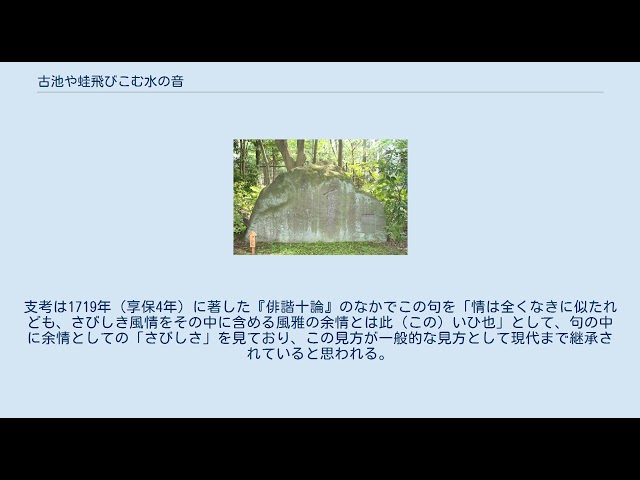
When people think of frogs, many may picture the rainy tsuyu monsoon season, but in fact, “frog” is a spring season word.
Frogs hibernate through the winter and begin croaking in spring, which is why they are used as a spring kigo.
Frogs also appear in a haiku by Matsuo Basho, where the word is read not as “kaeru” but as “kawazu.” Kawazu is said to refer to the kajika-gaeru, a type of frog.
As spring invites thoughts of frogs awakening from hibernation and beginning to call energetically, why not try composing a verse that features frogs?