

Yamanashi Prefecture Local Quiz for Elementary Schoolers! A Workbook to Learn While Playing

When you think of Yamanashi Prefecture, many of you probably picture Mt.
Fuji, an amusement park famous for its thrill rides, or delicious fruit.
But how much do you know about the origin of the prefecture’s name, its capital city, or the surprising products it ranks number one in nationwide? In this article, we present a fun way to learn about Yamanashi’s charm and trivia through a local quiz designed for elementary school students.
From regional dishes connected to Takeda Shingen to unexpected ties with popular characters, these are questions that will make even adults say, “Wow!” Give it a try with your family!
- [For Elementary School Students] Nagano Prefecture Local Quiz! Three-Choice Questions to Enjoy Learning About History and Nature
- [For Elementary School Students] Get Hooked! A Collection of Fun, Yamagata Prefecture Local Quiz Ideas for Learning
- [For Elementary School Students] A Roundup of Local Quizzes About Tokyo
- [For Elementary School Students] Collection of Local Quizzes from Gifu Prefecture
- [For Elementary School Students] Niigata Prefecture Local Quiz Collection
- How much do you know? A local quiz collection about Iwate Prefecture for elementary school students
- [For Elementary School Students] Kanagawa Prefecture Local Quiz! Three-Choice Questions Fun for Both Kids and Adults
- Learn while playing! Fun local quizzes about Gunma Prefecture for elementary school students
- Saitama Prefecture Local Quiz for Elementary Schoolers! Try tackling questions that are tough even for local kids.
- Fukui Prefecture local quiz! Become a Fukui expert with fun questions for elementary school students.
- [For Elementary School Students] Fukushima Prefecture Local Quiz! A Fun Workbook for Parents and Kids
- How many can you get right? Toyama Prefecture Local Quiz! A Fun Question Book for Elementary School Students
- [For Elementary Students] Chiba Prefecture Local Quiz! A Fun Set of Topics to Learn About Food and Specialties
Yamanashi Prefecture Local Quiz for Elementary School Students! A Fun, Learn-as-You-Play Question Set (1–10)
Which of the following is the capital city (prefectural seat) of Yamanashi Prefecture?

- Yamanashi City
- Kofu City
- Minami-Alps City
See the answer
Kofu City
The prefectural capital of Yamanashi is Kofu City. It’s located in the center of the prefecture, and you can reach Shinjuku by train in about an hour and a half, making access to central Tokyo convenient. During the Sengoku period, it flourished as the Takeda clan’s stronghold, and the name “Fuchu” comes from Takeda Shingen’s father, Nobutora, who called it the “Fuchu of Kai Province.” Kofu City has many sunny days throughout the year, and it rarely snows.

In what year (AD) was the current name “Yamanashi Prefecture” established?
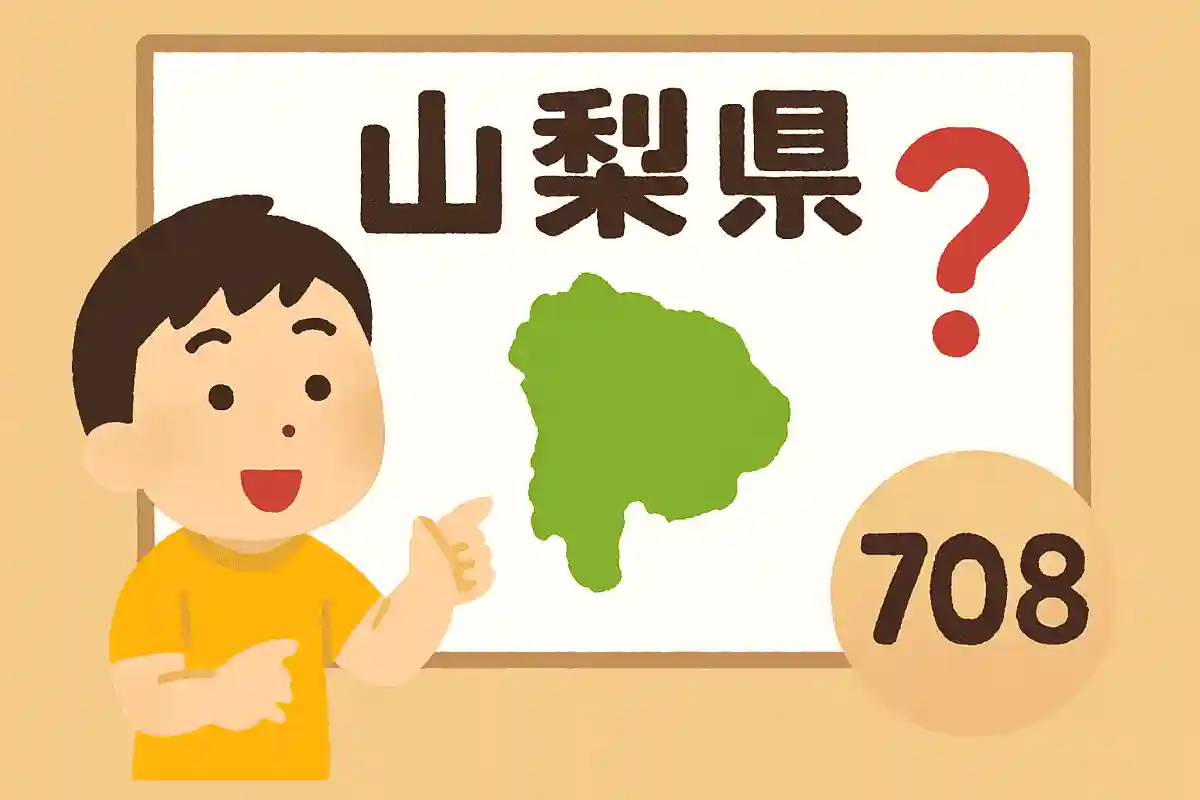
- the year 1192
- the year 1871
- the year 1932
See the answer
the year 1871
In 1871, at the beginning of the Meiji era, Yamanashi Prefecture was established through a policy called Haihan-chiken (the abolition of feudal domains and establishment of prefectures). The area had formerly been known as the Province of Kai. When naming prefectures, it was decided to use the names of districts, mountains, or rivers. Since the name of Yamanashi District was used for the area where Kofu was located at the time, the region was named Yamanashi Prefecture.
Which of the following is the local Yamanashi dish that is said to have been Takeda Shingen’s field ration?

- Hōtō (a traditional flat noodle soup from Yamanashi, Japan)
- horse sashimi
- motsu stew
See the answer
Hōtō (a traditional flat noodle soup from Yamanashi, Japan)
Hōtō is a local dish from Yamanashi Prefecture that uses flat noodles made from wheat flour. It’s simmered in a miso-seasoned broth with ingredients like pumpkin, potatoes, seasonal vegetables, mushrooms, and meat. It’s a warming dish that has been eaten since long ago. It’s said that Takeda Shingen ate it as food during battles, and it remains a traditional dish long cherished by the people of Yamanashi.
Yamanashi Prefecture Local Quiz for Elementary School Students! A Play-and-Learn Question Set (11–20)
How many climbing routes are there for entering Mount Fuji from Yamanashi Prefecture?

- one
- two
- three
See the answer
one
There are three trailheads on the Shizuoka side of Mt. Fuji—Fujinomiya, Subashiri, and Gotemba—and one on the Yamanashi side, Yoshida. All routes start from the 5th Station, and each has a parking lot, so you can get there by car. From these points, climbers can head for the summit, making them convenient entry points that are easy to access even for beginners.
Isawa Onsen is a famous hot spring area in Yamanashi. Which of the following is the correct pronunciation?
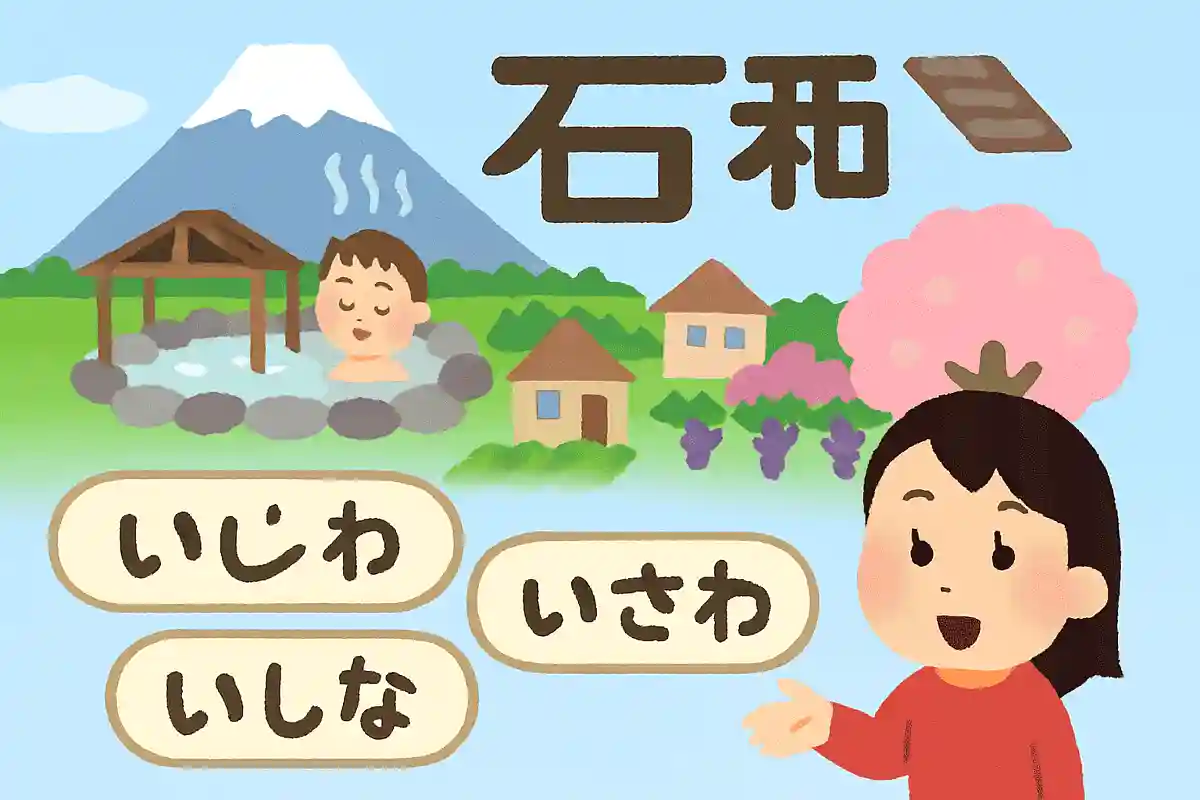
- Ishikazu Onsen
- Ishiwa Onsen
- Isawa Onsen
See the answer
Isawa Onsen
Isawa Onsen is a hot spring that gushed forth from a vineyard in Isawa in 1961. Since then, it has become a popular tourist destination. The water is a simple alkaline spring and is said to help with bruises, nerve pain, and sensitivity to cold. It’s also said to leave your skin feeling smooth after a soak. This famous Yamanashi Prefecture spot lets you relax both body and mind in its soothing waters.
Which of the following is the correct name of a real hot spring area located in Yamanashi Prefecture?
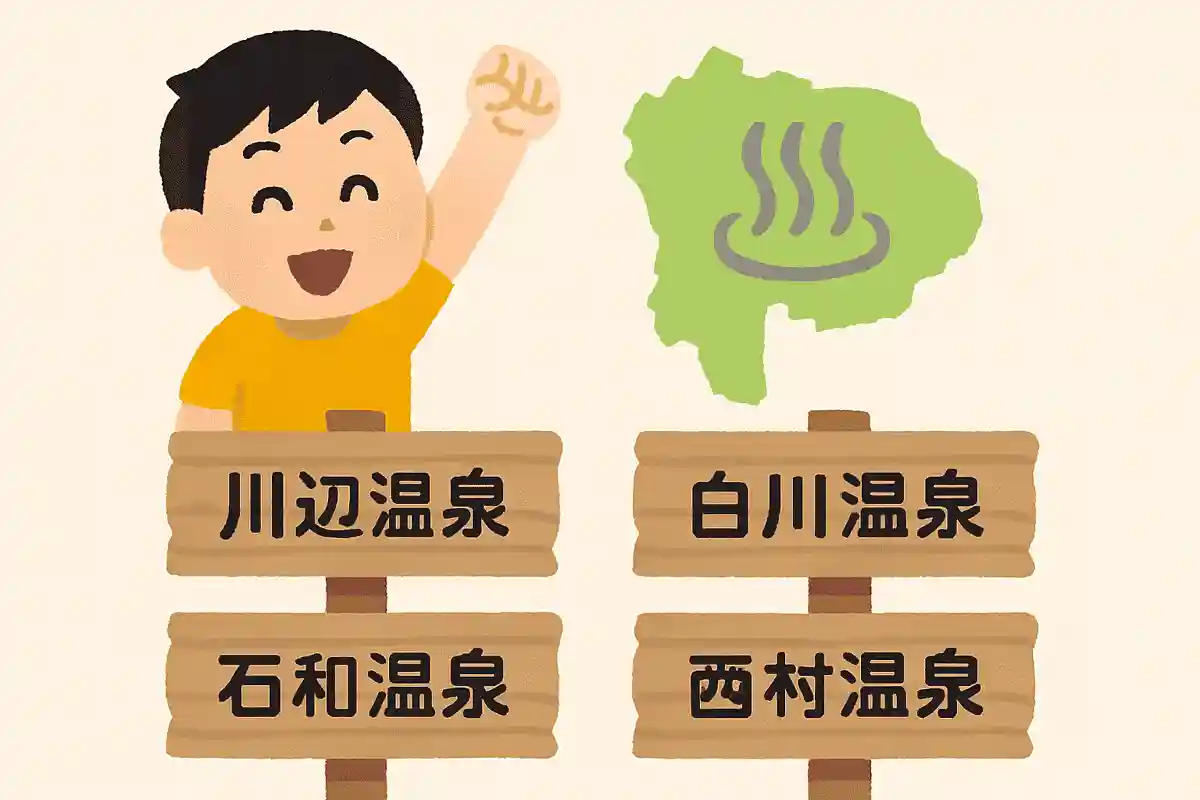
- Hottoite Onsen
- Hotokeya Onsen
- Hottarakashi Onsen
See the answer
Hottarakashi Onsen
Hottarakashi Onsen is a day-use hot spring located in Yatsubo, Yamanashi City, Yamanashi Prefecture. From here you can look out over Mount Fuji and the Kofu Basin, and the view is truly beautiful. While warming your body in the baths, you can enjoy the gorgeous natural scenery and surrounding mountains, making it popular with tourists. If you go in the morning or evening, you can simultaneously enjoy the changing colors of Mount Fuji and the sky—it's a very pleasant hot spring.
Which of the following is the correct reading of Yamanashi Prefecture’s hard-to-read place name “百々”?
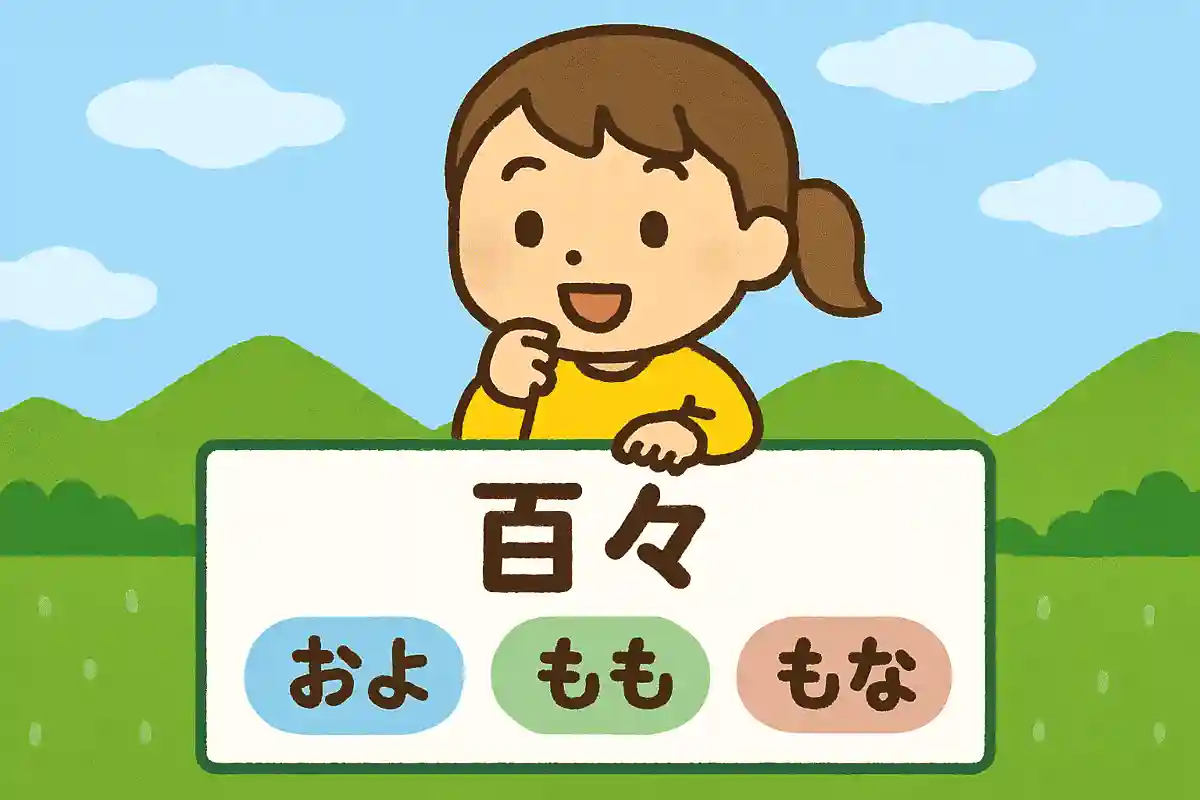
- Eek
- peach
- steadily; calmly; with dignity
See the answer
steadily; calmly; with dignity
“Dōdō” is a place name in Minami-Alps City, Yamanashi Prefecture. It is said to originate from the onomatopoeic sound “dōdō,” which was used to represent the vigorous flow of the nearby Mitakegawa River. Because the river’s current was lively and powerful, people long ago turned that sound into the place name. It’s a very interesting toponym in which the natural scenery and the character of the river became the name itself.