

[For Seniors] Recommended Spring Songs for People in Their 70s: A Collection of Nostalgic Spring Tunes

When you hear “spring songs recommended for people in their 70s,” what tunes come to mind?
These days, many spring songs are about cherry blossoms, but back in the 1970s and 1980s, spring-themed songs that portrayed a variety of emotions set against the season drew a lot of attention.
In this article, we’ll introduce a selection of spring songs that feel familiar to those in their 70s.
Listening to warm spring songs seems like a lovely way to spend a pleasant time.
Each song depicts different emotions and stories, so be sure to take your time listening while reading the lyrics.
- [For Seniors] Spring Songs You'll Want to Hum: Feel the Season with Nostalgic Classics
- [Recommended for people in their 70s] Songs that really move you. Beloved classic Japanese hits of the past.
- [For Seniors] A Collection of Recommended Spring Songs for People in Their 80s
- [Recommended for people in their 70s] Classic nostalgic hits: A collection of youth songs
- Recommended youth songs for people in their 80s: A collection of nostalgic classics
- [For Seniors] Recommended spring songs for people in their 90s: A collection of Shōwa-era spring tunes
- [For Seniors] Songs Everyone Can Sing Together! A Roundup of Recommended Crowd-Pleasers
- Recommended love songs for women in their 70s: A collection of nostalgic love songs
- A roundup of uplifting songs recommended for women in their 70s
- [2026 Edition] Songs Loved by People in Their 60s: Classic Hits from Their Youth
- Recommended love songs for men in their 70s: A collection of nostalgic love songs
- [For Seniors] Recommended Spring Songs for People in Their 70s: A Collection of Nostalgic Spring Tunes
- Recommended heartbreak songs for women in their 70s. A collection of classic Showa-era breakup masterpieces.
[For Seniors] Recommended Spring Songs for People in Their 70s: A Collection of Nostalgic Spring Tunes (71–80)
school daysPegī Hayama

A song filled with youthful memories comes back to life in the voice of Peggy Hayama.
Released in 1964, this piece richly portrays student life at a mission school.
Prayers in the chapel, memories with friends, studying in the library, and fleeting first love—nostalgic scenes come vividly to mind.
It was performed on NHK’s Kōhaku Uta Gassen in 1965 and went on to become a million-seller.
Beloved as a standard song for graduations and reunions, it may prompt older listeners to reflect on their own school days.
Why not hum along, together with your cherished memories?
Apple SongNamiki Michiko

A gentle, warm song that likens the object of one’s affection to an apple.
Released in January 1946, it became a classic that drew a major response for the first time in the postwar era.
As the theme song of the film “Soyokaze,” it was performed as a duet by Michiko Namiki and Noboru Kirishima.
Under the blue sky, the way the singer longs for the charming apple is portrayed alongside a refreshing melody.
In the turmoil of the time, it became a ray of hope.
For older listeners, it’s a nostalgic piece that brings back memories of the good old days.
Setting aside time to sing it together in a care facility may well spark lively conversations about happy times gone by.
Song of the Four SeasonsSakushi sakkyoku: Araki Toyohisa

Under the gentle sunshine of spring, a timeless Showa-era classic resonates deep in the heart.
In Toyohisa Araki’s work, the beauty of Japan’s four seasons and his feelings toward people are exquisitely captured within a warm melody.
Born from gratitude toward nurses during a hospital stay, this piece was introduced on Nippon Broadcasting’s “Aozora Wide,” where it received an overwhelming response, and Yoko Seri’s performance went on to become a million seller.
The tenderly drawn seasonal scenes and the deep affection for friends and family evoke a tranquil passage of time.
It’s a wonderful song that invites you to reminisce and reflect on bonds with loved ones.
Perfect for a relaxing music recreation session for seniors.
Let’s get married.yoshida takurou
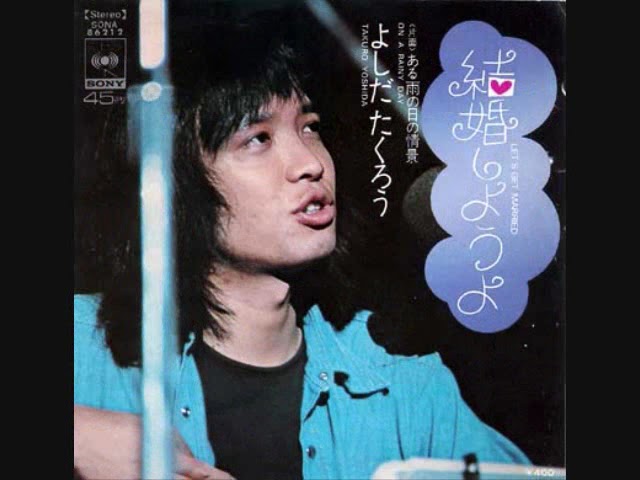
This work is memorable for its translucent, beautiful melody and sweet, poignant vocals.
Released in 1972, the song marked a major turning point in the history of folk music.
Centered on acoustic guitar, its warm sound creates an atmosphere that gently envelops feelings of love.
While poetically depicting springtime scenes, Takuro Yoshida expresses sincerity and pure affection.
Simple yet profound in its message, this classic reached a peak of No.
3 on the Oricon weekly chart.
Its heartwarming, gentle tone and tender vocal timbre enrich everyday moments.
It’s a song to savor slowly on a blossoming spring day, reminiscing with those of the same generation as memories come into full bloom.
Song of Seeing Spring OffNoguchi Goro

A poignant ballad that delicately portrays the moment spring slips away.
Goro Noguchi’s soaring vocals beautifully capture the bittersweetness of youth and the resolve to set out on a new journey.
Released in December 1978, the song reached No.
14 on the Oricon chart and No.
8 on The Best Ten, and it ranked 46th on the 1979 year-end chart.
Created by the duo of Yū Aku and Kyōhei Tsutsumi, it tells a story of a man and a woman set on a rainy spring day.
With Noguchi’s tender, empathetic singing, this track deeply moves listeners with its portrayal of a heartrending relationship.
the first strong spring windkyandīzu

A refreshing song that sings of springtime romance, wrapped in a sense of nostalgia.
Released in March 1976, this track was a single cut from the original album “Toshishita no Otokonoko.” It reached No.
3 on the weekly Oricon chart and ranked No.
21 for the year.
Blending idol kayōkyoku and rock kayō styles, it is widely recognized as one of Candies’ signature songs.
The lyrics, evoking the scenery of spring and the anticipation of new love, leave a lasting impression.
The sound, inspired by the “spring gale” that heralds the end of winter and carries the thrill of love, captures the changing seasons and fills the heart with an exhilarating sense of expectation.
For those in their 70s, it may well connect with memories of youthful romance.
A light, uplifting track that feels perfect for a springtime drive.
dandelionŌta Hiromi

A classic that captures delicate feelings of first love from a unique perspective.
The emotions of a modest yet pure-hearted girl in love are overlapped with the image of dandelions blooming by the roadside, gently singing of the bittersweet feelings everyone experiences.
Takashi Matsumoto’s poetic lyrics and Kyohei Tsutsumi’s melody blend beautifully, and Hiromi Ohta’s pure voice perfectly conveys the song’s world.
Released in April 1975, it was later included on the album “Tanshūhen” (Short Stories) and gained popularity.
It’s a song that comforts those who strive to live strongly—like a dandelion that keeps blooming while facing forward—even when they carry loneliness in their hearts.
Recommended for anyone who wants to relate to the ache of unrequited love and the feelings of being in love.