

[For Seniors] Recommended Spring Songs for People in Their 70s: A Collection of Nostalgic Spring Tunes

When you hear “spring songs recommended for people in their 70s,” what tunes come to mind?
These days, many spring songs are about cherry blossoms, but back in the 1970s and 1980s, spring-themed songs that portrayed a variety of emotions set against the season drew a lot of attention.
In this article, we’ll introduce a selection of spring songs that feel familiar to those in their 70s.
Listening to warm spring songs seems like a lovely way to spend a pleasant time.
Each song depicts different emotions and stories, so be sure to take your time listening while reading the lyrics.
- [For Seniors] Spring Songs You'll Want to Hum: Feel the Season with Nostalgic Classics
- [Recommended for people in their 70s] Songs that really move you. Beloved classic Japanese hits of the past.
- [For Seniors] A Collection of Recommended Spring Songs for People in Their 80s
- [Recommended for people in their 70s] Classic nostalgic hits: A collection of youth songs
- Recommended youth songs for people in their 80s: A collection of nostalgic classics
- [For Seniors] Recommended spring songs for people in their 90s: A collection of Shōwa-era spring tunes
- [For Seniors] Songs Everyone Can Sing Together! A Roundup of Recommended Crowd-Pleasers
- Recommended love songs for women in their 70s: A collection of nostalgic love songs
- A roundup of uplifting songs recommended for women in their 70s
- [2026 Edition] Songs Loved by People in Their 60s: Classic Hits from Their Youth
- Recommended love songs for men in their 70s: A collection of nostalgic love songs
- [For Seniors] Recommended Spring Songs for People in Their 70s: A Collection of Nostalgic Spring Tunes
- Recommended heartbreak songs for women in their 70s. A collection of classic Showa-era breakup masterpieces.
[For Seniors] Recommended Spring Songs for People in Their 70s: A Collection of Nostalgic Spring Tunes (11–20)
Has the plum blossomed?Misora Hibari

This is a wonderful piece in which Hibari Misora expresses a traditional Edo-period hauta with her radiant voice.
The refreshing scenes of spring are beautifully intertwined with the elegance of the pleasure quarters, creating a heartwarming atmosphere alongside the timbre of the shamisen.
The song likens the changing seasons and people’s sentiments to evocative blossoms such as plum, cherry, and willow.
Riding on the light rhythm of the shamisen, Misora’s vocals gracefully evoke the charm of old Japan.
This piece has long been cherished as a song that lets listeners rediscover the beauty of Japanese traditional music.
It’s perfect for moments when you want to spend time peacefully or reminisce about nostalgic Japanese landscapes, and it’s also used to create a warm, friendly atmosphere at gatherings of older adults.
motherSakushi: Tanaka Nana / Sakkyoku: Nakada Yoshinao

Speaking of May, it’s Mother’s Day—how about singing this children’s song, known for its gentle call to mothers? Written by lyricist Nana Tanaka and composed by Yoshinao Nakada, famed for classics like “Chiisai Aki Mitsuketa,” this piece portrays a mother’s warmth through the familiar scents of everyday life, such as laundry and cooking.
Since its release in 1954, its dialogue-like lyrics—reminiscent of a parent and child—have endeared it to listeners, making it a beloved classic across generations.
It conjures up scenes of home that everyone has experienced, wrapping you in a feeling of nostalgia.
During recreation time, why not hum it together while sharing memories of your mother?
Flowers of the trifoliate orangeSakushi: Kitahara Hakushū / Sakkyoku: Yamada Kōsaku

It is a famous song that sings of the Japanese spirit, themed on a plant with white flowers and sharp thorns that bears golden fruit in autumn.
Based on a slightly bittersweet childhood experience of Kosaku Yamada, Hakushu Kitahara wove beautiful words.
The gently flowing melody sinks into the heart, carrying a tenderness that brings tears to your eyes.
Composed in 1925, it is a work with history, released the same year in collections such as the children’s songs anthology “The Children’s Village.” Its title has been used for dramas and films depicting the life of Hakushu Kitahara, and in 2007 it was selected among the “100 Selected Japanese Songs.” It’s perfect for humming softly under the gentle sunlight of spring.
Why not spend a heartwarming moment sharing nostalgic memories together?
Flowers ~Flowers for everyone’s heart~Sakushi sakkyoku: Kina Shoukichi

This is one of Shokichi Kina’s signature songs, featuring a relaxed melody that evokes the beautiful sea and breeze of Okinawa and deeply touches the heart.
It conveys the importance of laughing and crying, gently encouraging each person to let a flower bloom within their heart.
Imbued with a wish for peace, the song has been passed down across borders since it was included on the album “BLOOD LINE,” released in June 1980.
It is also well known for being covered as the theme song of the 1995 film “Himeyuri no Tō,” and many people may find its melody nostalgic.
Humming it together with older adults while feeling the spring warmth will surely wrap you in a calm and gentle mood.
It’s a masterpiece that accompanies life’s milestones, inviting a time of richness of heart.
When the violets bloomSakushi: Fritz Rotter Shirai Tetsuzō / Sakkyoku: Franz Doelle

“When the Violets Bloom,” created as the theme song for the revue Parisette.
Director Tetsuzō Shirai wrote the Japanese lyrics, and it became established as a song symbolizing the Takarazuka Revue.
The original music was composed by Franz Doelle and was a popular tune in Germany in the late 1920s.
With the arrival of spring, memories of first love are revived, and its dreamlike, sweet melody resonates in the heart.
Since its debut in the August 1930 performance, it has been passed down by numerous stars, sung at ceremonies and finales.
Elegant and romantic, it’s a piece that makes you naturally hum along when violet season comes.
Why not sing it together with older adults, recalling the excitement of youth? It’s a perfect song for a bright, springtime moment.
Flowers will bloom.Sakushi: Iwai Shunji/Sakkyoku: Kanno Yoko

This work was created with the aim of supporting recovery from the Great East Japan Earthquake.
The lyrics, said to be written from the perspective of those who passed away, carry a gentle yet powerful message.
Shunji Iwai wrote the lyrics, Yoko Kanno composed the music, and it was performed by members of the “Flowers Will Bloom” project.
Released as a single in May 2012, it has long been cherished as NHK’s recovery support song.
There are various arrangements, including a version featuring figure skater Yuzuru Hanyu, and it is loved across generations.
It’s the perfect song for moments spent thinking of someone dear while watching flowers bloom with the arrival of spring.
Please hum along to this beautiful melody that rests close to everyone’s heart.
[For Seniors] Recommended Spring Songs for People in Their 70s: A Collection of Nostalgic Spring Tunes (21–30)
Song of the Language of FlowersSakushi: Saijō Yaso / Sakkyoku: Ikeda Fujio
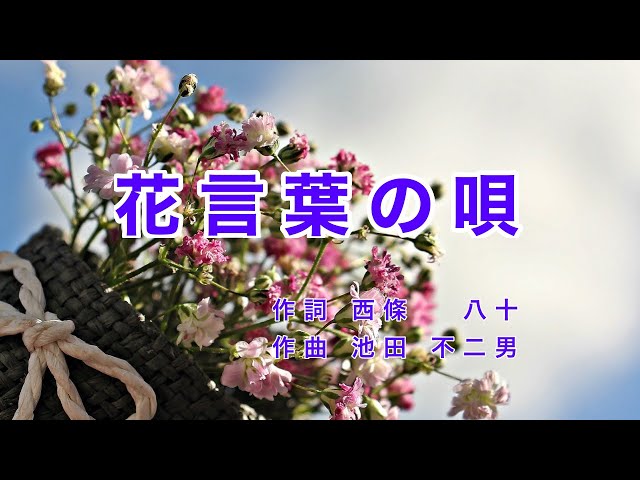
Hanakotoba no Uta, with its elegant waltz rhythm that evokes a modern Showa-era atmosphere, leaves a strong impression.
Its romantic theme of entrusting feelings to flowers and the call-and-response between a man and a woman make it a beautiful duet.
It was produced as the theme song for Shinko Kinema’s 1936 film First Love Diary.
With lyrics by Yaso Saijo and music by Fujio Ikeda, the piece became a major hit despite being composed on short notice during filming, and a line from the lyrics even became a popular catchphrase.
The voices of Akira Matsudaira and Nobuko Fushimi still sound fresh today.
The gentle triple-time melody is perfect for swaying leisurely in the spring sunlight.
Why not hum along with older listeners while reminiscing about nostalgic films?