

[For Seniors] Recommended Spring Songs for People in Their 70s: A Collection of Nostalgic Spring Tunes

When you hear “spring songs recommended for people in their 70s,” what tunes come to mind?
These days, many spring songs are about cherry blossoms, but back in the 1970s and 1980s, spring-themed songs that portrayed a variety of emotions set against the season drew a lot of attention.
In this article, we’ll introduce a selection of spring songs that feel familiar to those in their 70s.
Listening to warm spring songs seems like a lovely way to spend a pleasant time.
Each song depicts different emotions and stories, so be sure to take your time listening while reading the lyrics.
- [For Seniors] Spring Songs You'll Want to Hum: Feel the Season with Nostalgic Classics
- [Recommended for people in their 70s] Songs that really move you. Beloved classic Japanese hits of the past.
- [For Seniors] A Collection of Recommended Spring Songs for People in Their 80s
- [Recommended for people in their 70s] Classic nostalgic hits: A collection of youth songs
- Recommended youth songs for people in their 80s: A collection of nostalgic classics
- [For Seniors] Recommended spring songs for people in their 90s: A collection of Shōwa-era spring tunes
- [For Seniors] Songs Everyone Can Sing Together! A Roundup of Recommended Crowd-Pleasers
- Recommended love songs for women in their 70s: A collection of nostalgic love songs
- A roundup of uplifting songs recommended for women in their 70s
- [2026 Edition] Songs Loved by People in Their 60s: Classic Hits from Their Youth
- Recommended love songs for men in their 70s: A collection of nostalgic love songs
- [For Seniors] Recommended Spring Songs for People in Their 70s: A Collection of Nostalgic Spring Tunes
- Recommended heartbreak songs for women in their 70s. A collection of classic Showa-era breakup masterpieces.
[For Seniors] Recommended spring songs for people in their 70s. A collection of nostalgic spring songs (41–50)
Like a flower that blooms in the fieldDa Kāpo

A song that celebrates wildflowers living robustly in nature—swayed by the wind and beaten by the rain.
Through its lyrics, it portrays the beauty of living flexibly and strongly even when facing difficulties and challenges in life.
It was also used as the theme song for the Fuji TV drama “The Adventures of Naked General” (1980–1997), and due to many requests for a record release, it was issued as a single on July 21, 1983.
Beloved enough to be included in elementary school music textbooks, it has been covered by many choirs and artists.
It’s the kind of song you want to listen to precisely when times are tough.
Like a flower, like a birdGō Hiromi
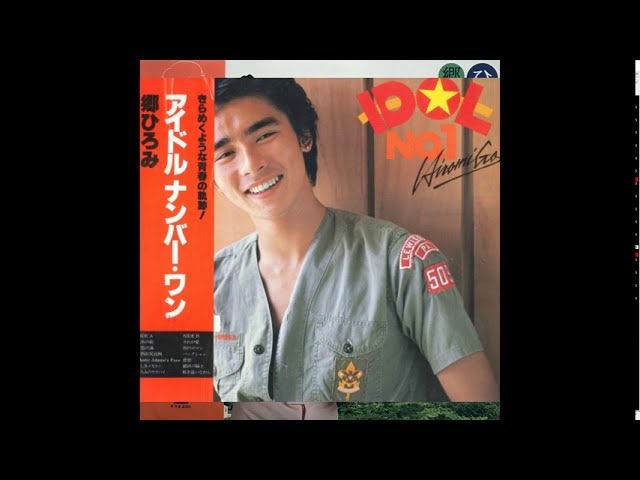
The lyrics beautifully depict a landscape that evokes the arrival of spring, leaving a lasting impression.
Combined with Hiromi Go’s vocals, they seem to convey a pleasant spring atmosphere.
Released in April 1975, the song was beloved by many, reaching No.
2 on the Oricon charts.
The lyrics express a gentle coexistence with a loved one “like a flower, like a bird,” filled with kindness that warms the heart.
It’s a perfect song for when the spring weather makes you want to go out, or when you want to spend a peaceful time with someone special.
It would also be lovely to listen to it with older adults and reminisce about youthful days together.
hometownshouka

Blue mountains, pure waters, and memories of childhood play.
The gentle melody that wraps these scenes of a beloved hometown, along with feelings for family and friends living far away, holds a universal appeal that resonates with everyone.
First published in 1914 as a Ministry of Education school song, this piece was created by Tatsuyuki Takano and Teiichi Okano, vividly reflecting the rural landscapes and lifestyles of Japan at the time.
It was sung at the closing ceremony of the 1998 Nagano Winter Olympics, moving countless people.
Its simple, memorable melody in G major and triple meter continues to be sung at life’s milestones, such as graduation and coming-of-age ceremonies.
With lyrics and melody that evoke nostalgia, it is truly a song that stands by all who live away from their hometowns—a work that can be said to symbolize the heart of Japan.
Flowershouka

Hana is a song by Rentarō Taki that delicately depicts the warm scenery of spring.
The lyrics, inspired by literature such as Su Shi’s poem Spring Night and The Tale of Genji, are filled with reflections on the fleeting, once-in-a-lifetime beauty found in nature and the emotions it evokes.
Through words that question the irreplaceability of these scenes, the composer’s deep sensibility shines through.
First published in 1900 as part of the song collection Four Seasons, it has long remained beloved.
It’s a perfect piece for springtime cherry-blossom viewing or whenever you wish to feel the changing of the seasons.
What a nice bath.Za Dorifutāzu

This is a song that celebrates the charms of hot spring resorts, beloved from the Showa-era hit TV program “It’s 8 o’clock! Everybody, Gather Round!” The original version, sung by the Duke Aces, was themed around hot spring areas in Gunma Prefecture, and The Drifters covered it on the B-side of their debut single.
The lyrics were adapted to feature hot spring resorts across Japan—such as Noboribetsu and Kusatsu—expressing fondness for onsen through a lively rhythm and call-and-response shouts.
The song was used as the ending theme for both “It’s 8 o’clock! Everybody, Gather Round!” and “Drifters’ Big Laughter,” and it also appeared in a 1969 film.
Humming it together with older adults while reminiscing about hot spring trips can make for a heartwarming moment.
Happy HinamatsuriSakushi: Satō Hachirō / Sakkyoku: Kawamura Kōyō

There’s a heartwarming song that enhances the festive mood of Hinamatsuri.
“Ureshii Hinamatsuri” is beloved by a wide range of generations, from children to older adults.
Created by Hachiro Sato and Koyo Kawamura, it has been sung for many years since its release in 1936.
Its charm lies in lyrics that gently depict the scenes and joy of the Doll Festival, paired with a bright and lively melody.
It’s also a song you often hear on TV and radio every March.
How about humming it together with older family members at Hinamatsuri events or during family gatherings? It will surely bring back fond memories.
If you’re happy and you know it, clap your handsSakamoto Kyu

Its charm lies in the way you can enjoy it by expressing a heartwarming classic through full-body movement.
It’s a song that lets you share the joy of connecting with others along with a simple, familiar melody.
Released by Kyu Sakamoto in 1964, it became one of his signature songs alongside “Ue o Muite Arukou” (“Sukiyaki”).
Based on an American folk song, Toshito Kimura wrote the Japanese lyrics with wishes for peace and friendship.
A heartwarming experience in the Philippines inspired the creation of this song, and it is said to have spread through activities at the YMCA.
It has been widely used in films and commercials and has long been cherished in educational settings.
Why not enjoy clapping and body movements together with seniors and let the conversation blossom with fond memories?