

[For Seniors] Recommended Spring Songs for People in Their 70s: A Collection of Nostalgic Spring Tunes

When you hear “spring songs recommended for people in their 70s,” what tunes come to mind?
These days, many spring songs are about cherry blossoms, but back in the 1970s and 1980s, spring-themed songs that portrayed a variety of emotions set against the season drew a lot of attention.
In this article, we’ll introduce a selection of spring songs that feel familiar to those in their 70s.
Listening to warm spring songs seems like a lovely way to spend a pleasant time.
Each song depicts different emotions and stories, so be sure to take your time listening while reading the lyrics.
- [For Seniors] Spring Songs You'll Want to Hum: Feel the Season with Nostalgic Classics
- [Recommended for people in their 70s] Songs that really move you. Beloved classic Japanese hits of the past.
- [For Seniors] A Collection of Recommended Spring Songs for People in Their 80s
- [Recommended for people in their 70s] Classic nostalgic hits: A collection of youth songs
- Recommended youth songs for people in their 80s: A collection of nostalgic classics
- [For Seniors] Recommended spring songs for people in their 90s: A collection of Shōwa-era spring tunes
- [For Seniors] Songs Everyone Can Sing Together! A Roundup of Recommended Crowd-Pleasers
- Recommended love songs for women in their 70s: A collection of nostalgic love songs
- A roundup of uplifting songs recommended for women in their 70s
- [2026 Edition] Songs Loved by People in Their 60s: Classic Hits from Their Youth
- Recommended love songs for men in their 70s: A collection of nostalgic love songs
- [For Seniors] Recommended Spring Songs for People in Their 70s: A Collection of Nostalgic Spring Tunes
- Recommended heartbreak songs for women in their 70s. A collection of classic Showa-era breakup masterpieces.
[For Seniors] Recommended Spring Songs for People in Their 70s: A Collection of Nostalgic Spring Tunes (91–100)
A Hazy Moonlit Nightshouka
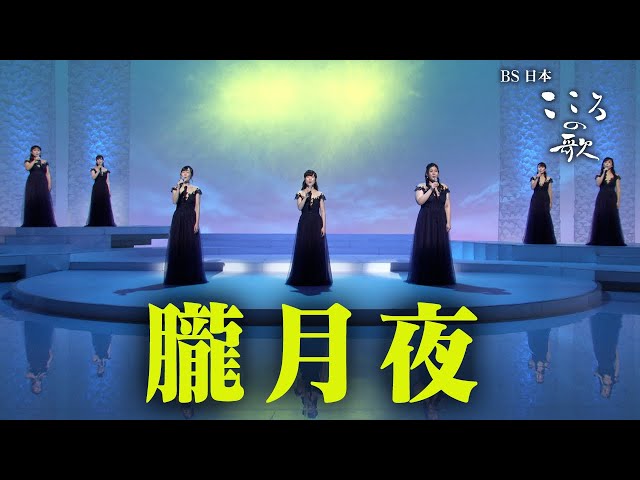
A song that beautifully portrays a spring evening depicts, with delicate nuance, a scene where the setting sun and haze spread over a field of rapeseed blossoms, and a pale moonlight floats in the sky.
Alongside the tranquil countryside, it gently embraces quintessential images of spring in Japan—the hues of the forest, people walking along rice-field paths, the croaking of frogs, and the tolling of bells.
Released in 1914 as a Ministry of Education school song, the work seamlessly marries lyrics by Tatsuyuki Takano with music by Teiichi Okano, and it has long been cherished in educational settings.
It has continued to be loved across generations, with Aiko Moriyama covering it in 2009 and Ai Nishida performing it on a program in June 2023.
As a song to hear on a calm spring evening, it offers a warmth that deeply touches the heart.
Cotton MoodAnri

Doesn’t this timeless song, which breezily heralds the arrival of spring, bring back nostalgic memories of your youth? Released by Anri in April 1981, this piece beautifully captures the season of open blue skies with its light melody and fashionable lyrics.
The upbeat words convey a sense of freedom and the thrill of romance.
It was also used in commercials for Nivea-Kao’s cologne and for Nisshinbo, making it a tune beloved by many.
Its rhythm is so delightful that you’ll naturally want to clap along when the music starts.
How about spending a moment singing it together with fellow seniors and letting cherished memories blossom in conversation?
The last spring breakMatsutōya Yumi

A beautiful ballad by Yumi Matsutoya that gently embraces the transience of the season when spring arrives and the milestone of graduation.
With tender emotion, it portrays the feelings of saying goodbye to student life while carrying a faint crush and lingering attachment, set against quiet scenes of the school.
Included on the album “OLIVE” and released in July 1979, this piece features Matsutoya’s delicate vocals and soft piano melody that resonate deeply.
It gently depicts moments that evoke nostalgic memories—such as classrooms bathed in spring sunlight and the sound of footsteps along long corridors—and is a song that, when listened to with older adults, can spark lively reminiscences of each person’s youthful days.
tricolor violetSakurada Junko

Let me introduce a song by Junko Sakurada that beautifully captures springtime scenes with her gentle, translucent voice.
Released in February 1974, it features a strikingly pure, idol-like melody.
Through the motif of tricolor violets, it quietly tells of a first love and cherished memories.
The lyrics gracefully express the delicacy and fragility of budding feelings, resonating deeply with listeners.
The song reached No.
10 on the Oricon charts and was widely loved by young people at the time.
It was frequently featured on radio and TV music shows, and for many, it has become a memorable anthem of their youth.
I hope you can spend a heartwarming moment, listening to that nostalgic voice as you bask in the cheerful warmth of spring.
Words of FarewellKaientai

Do you have any nostalgic melodies that make you feel the warmth of spring sunshine the moment you hear them? Kaientai’s classic “Okuru Kotoba” is a heartwarming piece filled with messages perfect for graduation season.
Its lyrics about the sorrow of parting, the courage to trust others, and the depth of love truly resonate.
Released in November 1979, the song also became well-known as the theme for the popular TV drama “Mr.
Kinpachi in Class 3-B.” Singing it together with older adults might spark lively conversations about fond memories.
Consider incorporating it into recreational activities at your facility.
Azusa No. 2karyūdō

This is a classic song from 1977 that portrays love and parting in the city, heralding the arrival of spring.
It vividly conveys the protagonist’s state of mind as they, exhausted by urban life, decide to set off on a journey.
The Hunters’ striking harmonies blend beautifully with the powerful yet wistful melody composed by Shunichi Tokura and the delicate lyrics by Machiko Ryu.
After its release in March 1977, it reached No.
4 on the Oricon weekly chart and No.
15 on the year-end chart.
It also won the New Artist Award at the Japan Record Awards that same year, and has continued to be cherished as one of The Hunters’ signature songs.
It resonates deeply with those taking a new step forward or parting from someone dear.
Why not listen to it on a morning train, accompanied by the gentle scenery of spring?
12th graderFunaki Kazuo

This is a masterpiece whose nostalgic, march-like melody and warm vocals—enveloping the bittersweet farewell of youth—resonate deeply.
It begins with the scene of the setting sun reflected on the school building, moves through images of boys and girls dancing a folk dance, and gently depicts the end of high school life with memories shared among friends before parting.
Released in June 1963 as Kazuo Funaki’s debut single, it became a massive hit, selling over one million copies within a year.
In November of the same year, a film of the same title was produced, with Funaki himself in the starring role.
It’s a song I’d recommend to those who cherish memories of their youth or feel nostalgic for their school days.
Why not give it a listen in the springtime, when you want to spend your days with a calm and peaceful heart?