

A roundup of classic Showa-era kayō songs: a comprehensive introduction to timeless tracks loved across generations.

Songs released in the Showa era—what we call Showa kayokyoku—are truly full of timeless masterpieces!
If you’re an adult born in the Showa period, you probably know just how wildly popular Showa kayokyoku was with the entire nation back then.
Meanwhile, even for younger people born in the Heisei era and later, there are still plenty of Showa kayokyoku songs you hear all the time today, and I’m sure many of you can sing quite a few of them without looking at the lyrics.
In this article, we’ll introduce a whole lineup of Showa kayokyoku classics that have continued to be loved across generations.
Take this opportunity to listen again with fresh ears and immerse yourself fully in the world of kayokyoku.
- Showa-era nostalgic songs: Popular ranking
- Showa-era masterpieces roundup: A must-listen collection of nostalgic oldies and hit songs
- Hit songs in Japan in the late 1960s
- Showa-era kayōkyoku: hit songs by male singers, classic masterpieces of Japanese popular music.
- [Classic Showa Kayō Hits] The captivating Showa-era pop songs beloved even by younger generations
- Just listening to it purifies the heart... A healing song born in the Showa era.
- A collection of iconic, cool Showa-era kayōkyoku classics sung by male vocalists
- Heart-touching, tear-jerking masterpieces from the Showa era
- Evokes the charm of the good old days. Showa-era inspirational songs that are still loved today.
- [Nostalgic Hits] Smash Hits with the Showa Generation! Classic and Popular Songs Sung by Female Vocalists
- [For Seniors] Popular Kayōkyoku: A Collection of Classic Songs Perfect for Karaoke and Background Music Selection
- Nostalgic Japanese hit songs from the 1960s. A collection of popular Showa-era classic melodies.
- Popular Showa-era pop. Timeless hit songs.
Collection of Showa-era kayō classic hits: A comprehensive introduction to timeless songs loved across generations (101–110)
Because the moon is so very blueSugawara Totoko

It is said that in ancient Japanese, “blue moon” meant “a softly shining moon,” and it beautifully captures the innocent feelings of young lovers who, unable to directly express their wish to prolong the time walking alone together, use the state of the moon as an excuse.
Everyone in a dreamTakada Kyoko

Released in 1969, this song might be a kayōkyoku piece with a touch of folk, perhaps reflecting the times.
The singer is highly skilled, having studied canzone on their own and even won the inaugural Canzone Competition hosted by the Hochi Shimbun.
One of the charms of this track is how the kayōkyoku style is delivered with a slightly different, distinctive feel.
Withered Susuki Grass of the Shōwa Erasakura to ichirō

A signature song by Sakura and Ichiro portraying a man and woman likened to withered pampas grass.
It depicts the two of them, nearly overwhelmed by poverty and the coldness of society, choosing to huddle together and go on living.
Released in July 1974, the song caught fire in popularity after being featured as an insert song in the drama “Jikan Desu yo Shōwa Gannen,” which began airing in October of the same year, and became a massive hit, selling 1.5 million copies.
It also ranked No.
1 on Oricon’s annual hit chart for 1975.
It’s a recommended track for those who want to feel the nostalgic atmosphere of the Showa era or listen together with someone special.
Good-bye, My LoveAn Ruisu
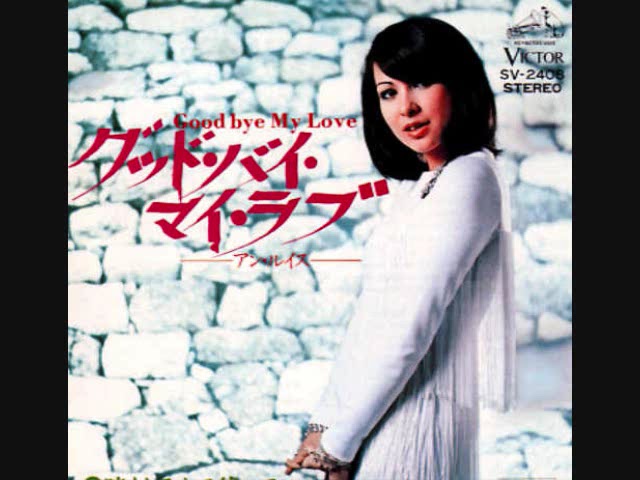
Even she—best known for her flashy rock-singer persona that perfectly fits Roppongi—once had a phase where she sang the bravado of a girl devoted to pure love.
This falsetto-laced style is certainly appealing, but the expansive vocals in the chorus already hint at the talent that would later flourish in her rock-oriented direction.
Yes- Noofukōsu

In a magazine interview, vocalist Kazumasa Oda left a comment about the lyrics of this song, saying something along the lines of, “It became a hit because it crossed a line.” Does that mean that even if the music is good, the impression is weak if the lyrics are too safe? For the time, the repeated phrase may indeed have been quite shocking.
Collection of Showa-era kayō classic hits: a comprehensive introduction to timeless songs loved across generations (111–120)
Silver RoadZa Pīnattsu

With lyrics and a melody that make you think you’ve heard the song somewhere before, it’s extremely easy to remember.
Born from an NHK program, the song was later released in 1966 as a joint recording by The Peanuts and Dark Ducks.
Composer Hiroshi Miyagawa once lived in Monbetsu City, Hokkaido, due to his father’s work.
Seeing puddles on the railway tracks illuminated by moonlight, he thought, “This is the Silver Road.”
The Days of Rainbows and Sneakerschūrippu

It’s a song with striking opening lyrics that really stick in your head.
After a period without major hits, Tulip apparently wrote this one with an eye toward making a hit again.
Back then, it often played on late-night radio and stayed in the request rankings’ top 10 for quite a while.