

Unrequited love songs from the Showa era. Those nostalgic classics.

In this article, we introduce unrequited love songs from the Showa era.
If you spent your youth around the time these were released, you’ll likely find many nostalgic tracks.
You might even rediscover a song you listened to when you were in love and feel those forgotten emotions return.
Some are love songs that portray impossible romances and heartbreak, but if you’re looking for Showa-era unrequited love songs, be sure to give these a listen.
No matter your generation, if you’ve experienced love, you’re sure to find at least one song you can relate to.
- Tear-jerking unrequited love songs that will break your heart: timeless classics about unattainable love
- Showa-era love songs: A roundup of timeless love songs cherished across generations
- A heart-wrenching story that tightens the chest! A Showa-era unrequited love song
- Classic and popular songs about unrequited love
- Unrequited love songs of the Heisei era. Those nostalgic classic tunes.
- [Shōwa-Era Heartbreak Songs] Carefully selected timeless love classics adored across generations!
- [Unrequited Love] Heart-wrenching Love Songs | A Roundup of Tear-Inducing Crush and Breakup Tracks
- [J-Pop] A Collection of Unrequited Love Songs That Stay Close to Your Heart
- Classic and popular unrequited love breakup songs
- [Nostalgic Classics] Hit Japanese Love Songs from the 1980s
- Breakup songs recommended for people in their 80s: a collection of classic tracks that capture heartbreaking feelings
- [Adultery Song] A forbidden song about an affair that sings of an impossible love
- A roundup of classic Showa-era kayō songs: a comprehensive introduction to timeless tracks loved across generations.
Unrequited Love Songs of the Showa Era: Those Nostalgic Classics (’81–’90)
Pink Unrequited LoveMatsuura Aya
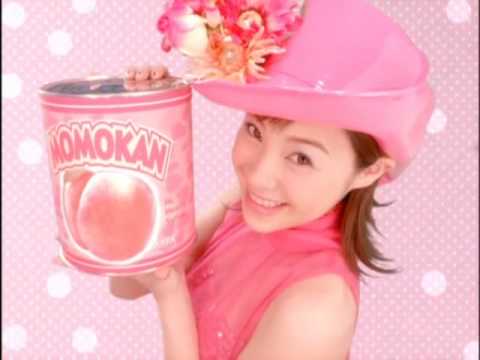
It’s a crush song packed with the warm, super-cute feelings of a girl with unrequited love.
It’s adorable how their eyes meet, and how the person she likes even appears in her dreams.
Ayaya’s cute choreography is often imitated, too.
Blue Coral ReefMatsuda Seiko

A song set on a southern island that captures both the exhilaration and the fragility of love.
Its dreamy, synth-driven sound and familiar, catchy melody are distinctive.
Released in July 1980, it became a major hit as Seiko Matsuda’s second single.
It was also used in a commercial for Glico’s “Yorell” ice cream, making it widely beloved.
With a fresh atmosphere that evokes the beauty of blue coral reefs and lyrics that weave together bittersweet feelings of love, it’s perfect for reminiscing about summer memories or thinking of a lover far away.
Our FailureMorita Doji

A song that has long been cherished by many as a classic from the Showa era.
It features a translucent vocal tone and lyrics that resonate deeply, beautifully portraying the fragility of youth and the growth that comes through failure.
Released in November 1976, it was later chosen as the theme song for the 1993 TV drama “Koko Kyoshi” (High School Teacher), becoming a major hit with around 900,000 CD sales.
The lyrics depict concrete scenes—time spent in an underground jazz café, a Charlie Parker record found in a room—quietly conveying the former selves of the narrator and their counterpart, as well as the surrounding atmosphere.
It’s a recommended track for those who have experienced heartbreak or who want to reflect on their past.
As time goes bysawada kenji

Among the masterpieces of the Showa era, this work shines with a special brilliance—a gemlike ballad that portrays the love between a man and a woman as it changes with the passage of time.
Kenji Sawada’s sultry vocals strike a perfect balance between heartache and hope.
Released in August 1975, it topped the Oricon weekly chart for five consecutive weeks.
It was also used as an insert song for the TBS drama “Akuma no Youna Aitsu,” leaving a lasting impression on many hearts.
It’s a recommended track for healing the pain of heartbreak or reminiscing about precious memories with someone dear.
Truly, a Showa classic that resonates across generations.
Sake, Tears, Men, and WomenKawashima Eigo

A signature song by Eigo Kawashima that entrusts the melancholy of life to sake and tears.
Its lyrics, portraying both the strength and weakness of men, resonate deeply with listeners.
Released as a single in June 1976, it was featured in a commercial for Kizakura Brewery.
An anecdote says Kawashima wrote and composed it at age 18, inspired by the figure of his uncle, a story that speaks to the song’s profound depth.
The simple, emotive melody, influenced by folk music, conveys the nostalgic atmosphere of the Showa era to this day.
It’s a moving piece that offers solace to those who have experienced heartbreak or setbacks in life.