

Karaoke songs that are easy to sing even for tone-deaf beginners, recommended for women in their 60s


Even if you’re not confident at singing, there are times when you want to belt out a song at karaoke and feel great.
This time, we’ve put together a selection of songs for women in their 60s that are both nostalgic and easy to sing.
People often assume that enka or kayōkyoku suit those in their 60s, but we’ve also included many folk and pop songs from the 1970s—the era when today’s sixty-somethings likely spent their youth.
We’ve focused on songs with melodies that seem easy to sing, and some articles include tips on how to sing them well.
Find your favorite tune and enjoy singing!
- Recommended for women in their 60s! Easy-to-sing Japanese karaoke songs
- Recommended for women in their 60s! Songs that get the crowd going at karaoke
- Easy-to-sing songs recommended for women in their 70s: A collection of classic hits perfect for karaoke
- [For People in Their 60s] Ranking of Easy-to-Sing Karaoke Songs [2026]
- Karaoke songs that are easy to sing even if you’re not confident in your pitch (for women in their 50s)
- [For women in their 70s] A collection of songs that are easy to sing even for people who are tone-deaf
- A must-see for low-voiced women! Popular songs that are easy to sing at karaoke
- Love songs that resonate with women in their 60s: gem-like romance tunes that revive memories of youth.
- Recommended for millennial women who aren't confident singers: easy-to-sing karaoke songs
- Upbeat Japanese songs recommended for women in their 60s
- [Calling all low-voiced women in their 40s!] Songs that are easy to sing at karaoke
- [Men in their 60s] Even if you're not good at singing, it's okay! Easy-to-sing songs for karaoke
- [Even If You're Tone-Deaf, It's Okay!] Easy-to-Sing Karaoke Songs and Practice Tracks
Karaoke Songs Recommended for Women in Their 60s That Are Easy to Sing Even for the Tone-Deaf (41–50)
Life is full of ups and downs.Shimakura Chiyoko

This is a single released by Chiyoko Shimakura in 1987, which was used as the theme song for TBS’s Kao Ai no Gekijō drama “Sandoshima.” It is Shimakura’s biggest hit and the song that is always used when people do impressions of her.
A beloved classic over many years, it also won the Best Vocal Performance at the 30th Japan Record Awards.
You Are the One Who Rings That BellWada Akiko
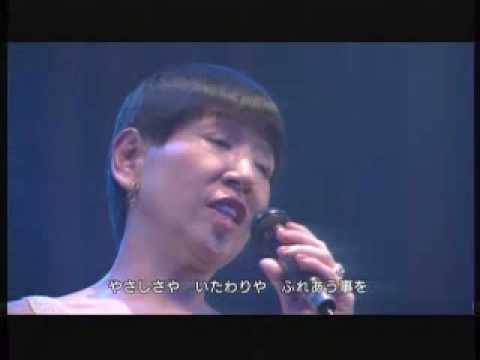
It was released in 1972 as Akiko Wada’s 11th single.
With lyrics written by Yū Aku, it became a major hit and won the Best Vocal Performance at the 14th Japan Record Awards.
She performed it six times on the NHK Kōhaku Uta Gassen, and it remains one of Akiko Wada’s signature songs, enjoying immense popularity as a classic.
Angel’s TemptationMayuzumi Jun

It was released in 1968 as Jun Mayuzumi’s fourth single.
It reached No.
3 on the Oricon Weekly Singles Chart and became a major hit that won the Grand Prize at the 10th Japan Record Awards.
That same year, a film titled “Angel’s Temptation,” starring Mayuzumi and based on this song, was released by Shochiku, and her performance of the song in a miniskirt became a major topic of conversation at the time.
Love Song of Kaze no BonIshikawa Sayuri

This is a single released by Sayuri Ishikawa in 1989, a local song themed around the “Owara Kaze no Bon” festival held every September in Toyama City, Toyama Prefecture.
Inspired by Osamu Takahashi’s romance novel “Kaze no Bon Koiuta,” it conveys a sense of poignancy and melancholy.
It has become one of Sayuri Ishikawa’s signature songs, winning the Best Vocal Performance at the 31st Japan Record Awards.
Because I Want to See You ~Missing You~Matsuda Seiko

It was released in 1996 as Seiko Matsuda’s 38th single.
It was used as the ending theme for TV Asahi’s “Beat Takeshi’s TV Tackle” and as the image song for Canon’s “PIXEL.” It became her biggest hit and earned her first million-seller.
As a ballad about adult love, it remains a popular choice for karaoke.
Deceived by a guy like HiroshiMizue Takada

Mizue Takada is an idol singer who gained popularity in the late 1970s with her calm vocals.
Thanks to her musical style, many of her songs are easy to sing, but the one I especially recommend is “Sonna Hiroshi ni Damasarete.” It features a vibe somewhat close to surf music, yet the vocal line itself has gently contained pitch movement, making it very easy to sing.
There are quite a few long tones, but since they fade out, you should be able to sing them without needing much lung capacity.

Heavenly KissMatsuda Seiko

Seiko Matsuda has many famous songs, but for women in their early 50s, “Heavenly Kiss” may be the one that left the strongest impression.
Among her tracks, this piece is especially characterized by its refreshing melody, yet surprisingly its vocal range isn’t particularly wide.
The English lyrics in the chorus might be a tricky part, but as long as you can pronounce them clearly, it’s quite a singable song.
If you were on Team Seiko back in the day and are now in your 50s, why not give this one a try?