

Karaoke songs that are easy to sing even for tone-deaf beginners, recommended for women in their 60s


Even if you’re not confident at singing, there are times when you want to belt out a song at karaoke and feel great.
This time, we’ve put together a selection of songs for women in their 60s that are both nostalgic and easy to sing.
People often assume that enka or kayōkyoku suit those in their 60s, but we’ve also included many folk and pop songs from the 1970s—the era when today’s sixty-somethings likely spent their youth.
We’ve focused on songs with melodies that seem easy to sing, and some articles include tips on how to sing them well.
Find your favorite tune and enjoy singing!
- Recommended for women in their 60s! Easy-to-sing Japanese karaoke songs
- Recommended for women in their 60s! Songs that get the crowd going at karaoke
- Easy-to-sing songs recommended for women in their 70s: A collection of classic hits perfect for karaoke
- [For People in Their 60s] Ranking of Easy-to-Sing Karaoke Songs [2026]
- Karaoke songs that are easy to sing even if you’re not confident in your pitch (for women in their 50s)
- [For women in their 70s] A collection of songs that are easy to sing even for people who are tone-deaf
- A must-see for low-voiced women! Popular songs that are easy to sing at karaoke
- Love songs that resonate with women in their 60s: gem-like romance tunes that revive memories of youth.
- Recommended for millennial women who aren't confident singers: easy-to-sing karaoke songs
- Upbeat Japanese songs recommended for women in their 60s
- [Calling all low-voiced women in their 40s!] Songs that are easy to sing at karaoke
- [Men in their 60s] Even if you're not good at singing, it's okay! Easy-to-sing songs for karaoke
- [Even If You're Tone-Deaf, It's Okay!] Easy-to-Sing Karaoke Songs and Practice Tracks
Karaoke Songs Recommended for Women in Their 60s That Are Easy to Sing Even for the Tone-Deaf (41–50)
The Bride of SetoKoyanagi Rumiko

It was released in 1972 as Rumiko Koyanagi’s fourth single.
This song is highly popular as a representative local tune of the Seto Inland Sea, and its lyrics depict the scene and feelings of a bride moving to a small island in the Seto Inland Sea, along with her determination for a new life.
It is one of Rumiko Koyanagi’s signature songs, having won the Grand Prize at the 3rd Japan Kayō Awards.
Karaoke songs recommended for women in their 60s that are easy to sing even for those who are tone-deaf (51–60)
Pink sighTakahashi Mariko
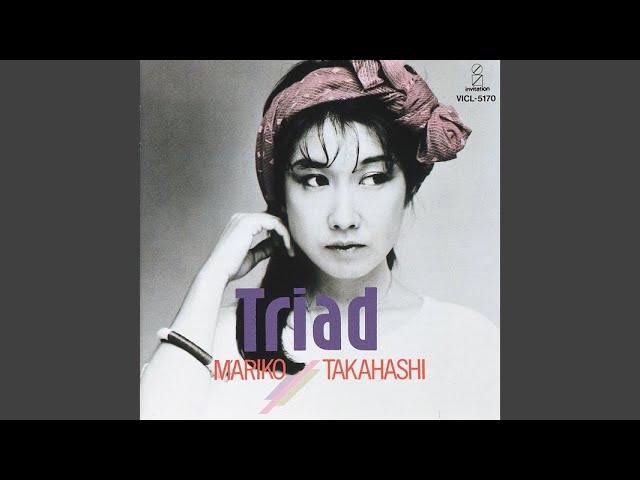
Mariko Takahashi’s 10th single, released in May 1984.
It was used in a Camellia Diamond commercial and was a breakout hit at the time.
Many people have probably at least heard the chorus melody.
The song blends characteristics of ‘New Music,’ an evolution of 1970s folk songs, with elements of Showa-era kayōkyoku, making it a tune I’d recommend as familiar and easy to remember, especially for women in their 60s.
Listening to her performance, you might think the key isn’t that high, but when you actually sing it, you’ll likely notice there are parts that require unexpectedly high tones.
Please pay close attention to your key setting when you sing it.

My Father’s Longest Daysadamasashi

Masashi Sada is a singer-songwriter who has left many masterpieces with his uniquely narrative lyrics.
Among his works, “Oyaji no Ichiban Nagai Hi” (“A Father’s Longest Day”) is considered one of his finest, depicting a father’s warm feelings for his daughter as she gets married.
Although the song is moving, the vocal line is surprisingly restrained, with no sections that demand complex melodic leaps.
The range is also relatively narrow, so why not consider adding it to your repertoire?

Lips, speak passionately of youWatanabe Machiko

Machiko Watanabe is a female singer-songwriter who gained popularity for her powerful vocals.
She has left many classic songs, and among them, “Kuchibiru yo, Atsuku Kimi o Katare” is particularly easy to sing.
Because of her strong voice, it may sound difficult at first listen, but there aren’t many intricate pitch fluctuations.
However, there is a brief moment in the chorus where a falsetto appears.
Adjust the key so that you can either sing that part in chest voice or hit the falsetto in the most comfortable key for you.
Farewell, Siberian RailwayŌta Hiromi

Hiromi Ohta, the female singer known for songs like “Cotton Handkerchief.” Because many people have the impression that her voice is high, some may assume her songs are difficult to sing.
That’s why I recommend “Farewell Siberian Railway.” This piece features a very refined, understated melody and is set within a fairly narrow vocal range.
With its strong Showa-era kayōkyoku essence, the vocal line rises and falls gently, making it easier to sing.
To my belovedkawanaka miyuki

Listening to the chorus of this song, many people who know the ’90s well probably recalled the TV commercial for House Foods’ instant ramen “Umaissho.” Released in 1994 as a single by Miyuki Kawanaka, it’s packed with J-pop flavor and sits a bit apart from classic enka, making it an approachable choice for karaoke even if you’re not into full-on enka.
Of course, techniques honed in enka—like vibrato—appear throughout, but it’s nice that the melody still feels great to sing even without vibrato.
Once you’re comfortable, listen closely to Kawanaka’s original performance and try gradually incorporating some vibrato.

SUNAHAMAAnri

For many women in their 50s, when you think of nostalgic female singer-songwriters, Anri likely comes to mind.
She has left us with many classic songs, but among them, the one I especially recommend as easy to sing is SUNAHAMA.
Though the vocal line has a ballad-like feel, it’s not overly mellow; it’s a blend of ennui and freshness, so there’s no need to belt it out.
The pitch changes are gentle, and there are plenty of rests, so you can sing it comfortably even at a second or third party gathering.