

[Men in their 60s] Even if you're not good at singing, it's okay! Easy-to-sing songs for karaoke


Do you want to sing at karaoke but worry that you can’t stay on pitch or can’t project your voice? Especially if it’s been a while since you last went, it can be hard to decide which songs you can sing comfortably.
So this time, we’re introducing karaoke songs for men that you can enjoy singing without worrying about being off-key.
We’ve picked tracks with simple melodies and a manageable vocal range that people of any age can enjoy, so give them a try at your next karaoke session!
- [For People in Their 60s] Ranking of Easy-to-Sing Karaoke Songs [2026]
- Japanese karaoke songs that are easy for men in their 60s to sing
- Karaoke songs that are sure to get a 60-something man fired up
- [Even If You're Tone-Deaf, It's Okay!] Easy-to-Sing Karaoke Songs and Practice Tracks
- [For men in their 70s] A collection of easy-to-sing songs even for people who are tone-deaf
- [For People in Their 60s] Karaoke Songs That Get the Crowd Going: Ranking [2026]
- For Men in Their 50s: No Worries If You’re Tone-Deaf! A Curated Selection of Easy-to-Sing Karaoke Songs
- Recommended Japanese karaoke songs for men in their 60s
- Karaoke songs you’ll want to sing for men in their 70s: Enka and nostalgic Showa-era pop
- Even karaoke beginners can relax! Easy-to-sing songs for men
- A love song that makes a man in his sixties relive his youth. Timeless classics that rekindle the romances of those days.
- Popular Japanese songs among men in their 60s: recommended masterpieces and classic tracks
- Karaoke songs recommended for men with low voices or who are good at singing in a low register
[Men in their 60s] No worries if you’re not good at singing! Easy-to-sing karaoke songs (31–40)
selfish; self-centered; willfulUeda Masaki

Masaki Ueda is one of Japan’s leading soul singers.
While most people probably associate him with Sad Colors (Kanashii Iro Yane), he’s highly acclaimed in the soul scene for his sophisticated musicality.
Among his songs, the one I especially recommend for men in their 60s is Wagamama.
Although it has a strong soul flavor, it’s by no means difficult.
That’s because, despite being a relaxed ballad, it features very few long notes and doesn’t require a wide vocal range, making the vocal line easy to sing even for those who aren’t confident singers.
If you’d like to try a moody, atmospheric tune, be sure to check it out.

The Last RainYasushi Nakanishi

Yasushi Nakanishi’s classic, filled with gentle yet heartrending emotion, is a ballad about parting with a lover.
The breakup scene, overlaid with imagery of rain, along with the portrayal of deep affection, possessiveness, and the acceptance of being unable to make the other person happy, leaves a strong impression.
The beautiful arrangement of piano and strings further highlights the crystalline quality of his vocals.
Released in August 1992, it was later used as the theme song for Hitachi’s “Ashita P-KAN Kibun!” and gradually gained support, ultimately becoming a massive hit with total sales of 900,000 copies.
In karaoke, its relaxed tempo and relatively narrow vocal range make it easy to sing calmly.
Why not sing it while carefully unfolding its story-like lyrics, together with your cherished memories?
Body and soulDaun Taun Bugiugi Bando
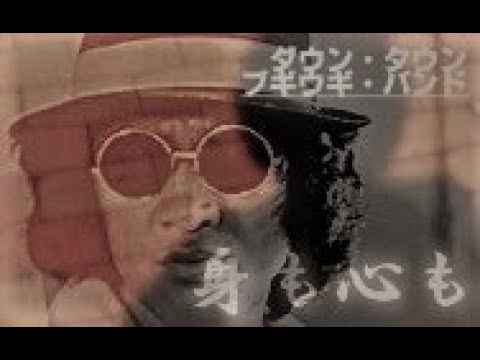
If you want to sing a passionate song, we recommend “Mi mo Kokoro mo.” This piece was released in 1977 by the band led by Ryudo Uzaki, the Downtown Boogie-Woogie Band.
Since it was used as the theme song for the popular drama “Detective Story,” many people will likely find it familiar.
In this song, most of the vocals are set in the lower register except for part of the chorus.
As your voice gains richness with age, this could be a great track to practice if you want to master a cool, gritty singing style.
North TavernHosokawa Takashi

Released as a single by Takashi Hosokawa in 1982, the song became a major hit because it leaned more toward a lively kayōkyoku/J-pop style than traditional enka, and it won the 25th Japan Record Award.
It is not only one of the signature songs of 1982, but also one of Hosokawa’s best-known tracks and a crowd-pleaser at karaoke.
Ruby RingTerao Akira

This is the sixth single by Japanese actor and singer Akira Terao, released in February 1981.
The composition was written by Terao himself.
It sold close to two million copies in total and won the 23rd Japan Record Award that same year—a classic of the Showa era.
According to Terao, he wrote the song with the group Alice—who were enjoying great success in the New Music scene at the time—in mind.
The melody, the way the lyrics ride over it, and the song structure are all quite simple, making it very easy to sing for karaoke.
A key point is to let the low notes at the end of each phrase resonate fully.
Try producing your voice so it feels like it’s striking your lower jaw inside your mouth, and use solid chest resonance when you sing.

[Men in their 60s] No worries if you’re not good at singing! Easy-to-sing karaoke songs (41–50)
River of Ten Thousand MilesCHAGE and ASKA

It was released in 1980 as Chage & Aska’s third single.
The lyrics and music were written by Ryo Asuka, and it became Chage & Aska’s first hit to reach the top 10 on the Oricon weekly chart.
The title is taken from the Great Wall of China, and the song, inspired by the Yangtze River, is a story-like piece depicting a woman who continues to long for her lover who has gone far away, beyond the river.
Northern SpringSen Masao

This is the 24th single by Japanese enka singer Masao Sen, released in April 1977.
It’s one of the classic Showa-era kayōkyoku songs, known for achieving million-seller status after 92 weeks on the Oricon charts from its initial debut.
Much like Masao Sen’s image, the song is very friendly and easy to remember, making it one of the best karaoke recommendations even for people who aren’t confident singers.
If you understand the lyrics and imagine the scenes in the song’s world as you sing, you’ll enjoy it more and be able to sing it nicely!