

[Men in their 60s] Even if you're not good at singing, it's okay! Easy-to-sing songs for karaoke


Do you want to sing at karaoke but worry that you can’t stay on pitch or can’t project your voice? Especially if it’s been a while since you last went, it can be hard to decide which songs you can sing comfortably.
So this time, we’re introducing karaoke songs for men that you can enjoy singing without worrying about being off-key.
We’ve picked tracks with simple melodies and a manageable vocal range that people of any age can enjoy, so give them a try at your next karaoke session!
- [For People in Their 60s] Ranking of Easy-to-Sing Karaoke Songs [2026]
- Japanese karaoke songs that are easy for men in their 60s to sing
- Karaoke songs that are sure to get a 60-something man fired up
- [Even If You're Tone-Deaf, It's Okay!] Easy-to-Sing Karaoke Songs and Practice Tracks
- [For men in their 70s] A collection of easy-to-sing songs even for people who are tone-deaf
- [For People in Their 60s] Karaoke Songs That Get the Crowd Going: Ranking [2026]
- For Men in Their 50s: No Worries If You’re Tone-Deaf! A Curated Selection of Easy-to-Sing Karaoke Songs
- Recommended Japanese karaoke songs for men in their 60s
- Karaoke songs you’ll want to sing for men in their 70s: Enka and nostalgic Showa-era pop
- Even karaoke beginners can relax! Easy-to-sing songs for men
- A love song that makes a man in his sixties relive his youth. Timeless classics that rekindle the romances of those days.
- Popular Japanese songs among men in their 60s: recommended masterpieces and classic tracks
- Karaoke songs recommended for men with low voices or who are good at singing in a low register
[Men in their 60s] No worries if you’re not good at singing! Easy-to-sing karaoke songs (41–50)
Farewell, my loverSakai Masaaki

It was released in 1971 as Masakazu Sakae’s solo debut single.
It became a major hit, reaching No.
2 on the Oricon Weekly Singles Chart, and won the Popularity Award at the 13th Japan Record Awards.
Thanks to the success of this song, he made his first appearance at the 22nd NHK Kōhaku Uta Gassen.
[Men in their 60s] It’s okay even if you’re not good at singing! Karaoke songs that are easy to sing (51–60)
MotherMori Shinichi

This is a single released by Shinichi Mori in 1971, with lyrics by Yasunori Kawauchi and composition/arrangement by Kimio Inomata.
It was performed eight times on NHK’s Kōhaku Uta Gassen and has become one of Mori’s signature songs.
The piece matches Mori’s distinctive husky voice, and many artists have covered it.
With a fiery heartKobayashi Akira

This is a single released by Akira Kobayashi in 1985, with lyrics by Yū Aku and music composed by Eiichi Ohtaki.
The song was used in a commercial for Ajinomoto General Foods (AGF) “Maxim,” and it won the Gold Award at the 28th Japan Record Awards.
It is a powerful track supported particularly by men and is regarded as one of Kobayashi’s signature songs.
Dramatic RainInagaki Junichi
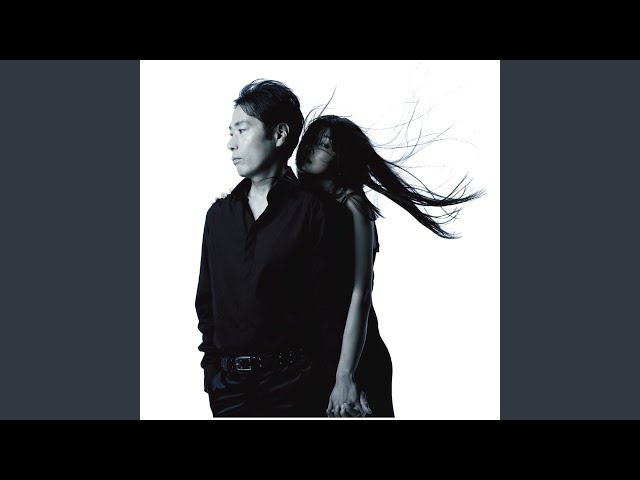
Junichi Inagaki is a male singer known for his distinctive vocal delivery.
With a unique musical style that blends city pop and AOR into kayōkyoku, he has produced many classic songs.
Among them, the recommended track is Dramatic Rain.
Its range is relatively narrow at mid1 D# to hi A, and the vocal line has gentle rises and falls.
For men in their 60s who are accustomed to kayōkyoku melodies, it should be no problem to sing.
Be sure to check it out.

ff (fortissimo)HOUND DOG

The 10th single by the Japanese rock band HOUND DOG, released in August 1985.
It was used as a commercial song for Nissin Foods’ Cup Noodles.
It’s a medium-tempo rock number with a strongly heroic atmosphere throughout! The vocal melody is very simple, and the range used isn’t very wide, so even those who aren’t confident singers can enjoy singing it casually.
Feel the beat of the backing track firmly, and, just as the title suggests, sing out with power and enjoy it.

At all times.Makihara Noriyuki

A signature work by Noriyuki Makihara that delivers a universal message about living true to yourself, carried by a powerful yet gentle melody.
It’s a classic imbued with a strong resolve to value your true self, even while grappling with doubts and anxieties in life.
Also included on the album “Who Will You Share a Happy Yawn With?”, it became a massive hit, surpassing one million copies within six months of its June 1991 release.
It was chosen as the entrance march for the 64th National High School Baseball Invitational Tournament in spring 1992.
The melody is marked by an acoustic guitar and a calm tempo, making it easy to sing.
It’s a song that resonates at life’s crossroads or when you feel you might lose yourself, and it’s cherished by many.
The Camellia Sasanqua InnŌkawa Eisaku

This is the 32nd single by Japanese enka singer Eisaku Okawa, released in August 1982.
It has sold over 1.8 million copies in total, becoming Okawa’s biggest hit.
On New Year’s Eve 1983, it won the Long-Seller Award at TBS’s 25th Japan Record Awards, and on the same day Okawa also achieved his long-cherished first appearance on NHK’s 34th Kouhaku Uta Gassen.
In terms of musical style, it’s quintessential enka through and through, which makes it easy for the general public to sing, yet the deeper you explore the song, the more profound it becomes.
I hope everyone enjoys it in their own way.
When you sing the title call in the song, don’t tighten your throat—sing it out resonantly!