

Recommended Japanese karaoke songs for men in their 60s

A karaoke selection for men in their 60s that brings back the youth of the Showa era.
Relive summer memories with Yosui Inoue’s “Shonen Jidai,” the ache of love with Chiharu Matsuyama’s “Koi,” and let Koji Tamaki’s vocals express mature allure to the fullest.
The timeless hits you hummed in your youth will shine anew at karaoke today.
From folk to J-pop, these are songs loved across generations.
Sing a nostalgic tune, and emotions you’d nearly forgotten will vividly return, filling your time with comfort.
Use this article as a guide for your song choices and enjoy wonderful moments with your friends.
- Karaoke songs that are sure to get a 60-something man fired up
- [For People in Their 60s] Ranking of Easy-to-Sing Karaoke Songs [2026]
- [2026 Edition] Songs Loved by People in Their 60s: Classic Hits from Their Youth
- Japanese karaoke songs that are easy for men in their 60s to sing
- Uplifting Japanese songs recommended for men in their 60s
- Popular Japanese songs among men in their 60s: recommended masterpieces and classic tracks
- Interesting Japanese songs recommended for men in their 60s
- A love song that makes a man in his sixties relive his youth. Timeless classics that rekindle the romances of those days.
- [Men in their 60s] Even if you're not good at singing, it's okay! Easy-to-sing songs for karaoke
- For Men in Their 50s: No Worries If You’re Tone-Deaf! A Curated Selection of Easy-to-Sing Karaoke Songs
- [For Men] These Songs Will Make You a Better Singer! Tracks That Are Effective for Karaoke Practice
- Must-see for men: Songs that look cool if you can sing them at karaoke—numbers that women can’t help but be captivated by.
- [60s] Karaoke Popularity Rankings by Generation [2026]
Recommended Japanese karaoke songs for men in their 60s (61–70)
Your smile

It’s a love song filled with tenderness and poignancy, looking back on the memories built up with a cherished person.
The way it tries to somehow avoid a sad ending when the two are about to grow apart conveys the strength of its feelings.
The warm, gently unfolding sound and the softly conversational vocals layered together express single-hearted devotion.
Singing slowly and relaxed, as if delivering the words straight and true, is a key point in crafting the song’s world.
A more effortless, unforced singing style may better convey the emotions embedded in the song.

Sorrow like snow

This song portrays the warmth of people felt amid winter’s cold, evoking a brightness within poignancy.
It was also used as the theme song for the drama “Ai to Iu Na no Moto ni,” and has long been loved as one of Shogo Hamada’s definitive winter classics.
The powerful layering of the band and chorus strongly suggests a hopeful feeling of moving forward.
Its gently ranged melody and relaxed tempo make it easy to sing, so be sure to fully grasp the emotions embedded in the lyrics as you perform.
The Sun Also Rises

This song evokes a refreshing yet powerful feeling, depicting the natural landscape unfolding before us and the hope to move toward the future.
From the opening, where the vocals soar boldly, a grand image of nature comes to mind, drawing you into the song’s world.
The lyrics’ vivid portrayal of the sun overlaps with the breezy sound, conveying a sense of receiving strength from the power of nature.
It gives the impression of quietly nurturing the hope for the future within oneself, so aiming for a relaxed vocal delivery that reflects this image will help emphasize the song’s atmosphere.
ultra soulB’z

This is a hard rock number by B’z that powerfully expresses a soul’s cry to keep pushing the limits.
The lyrics, which portray facing oneself and chasing dreams, brilliantly capture the doubts and inner struggles we all encounter at life’s crossroads.
Takahiro Matsumoto’s dynamic guitar and Koshi Inaba’s soaring vocals blend perfectly, injecting a strong surge of energy into the listener’s heart.
Released in March 2001, it was chosen as the official theme song for the FINA World Swimming Championships in Fukuoka that same year.
Also included on the album “GREEN” and performed on NHK’s Kōhaku Uta Gassen, this track gives a boost to anyone striving in their work or life.
It’s the perfect cheer song to belt out with close friends when you get together.
Love will winKAN

A signature song by KAN, known for his warm vocals and relatable lyrics.
With its bright, catchy rhythm and a simple yet deeply resonant message, it has brought comfort to many listeners.
Both the melody and the abstract, universal lyrics make it a gem that skillfully incorporates elements of Western music while remaining distinctly Japanese pop.
Released in September 1990 by Polydor Records, it was featured as an insert song on the TV program “Hō-chan no Yamada Katsute Nai Terebi.” Sales exceeded 2.01 million copies, and KAN also performed it at the 1991 Kōhaku Uta Gassen.
The song’s pleasant piano tone and relaxed tempo make it an easy and enjoyable choice for karaoke.
SPARKTHE YELLOW MONKEY

This is a rock number by THE YELLOW MONKEY that sings of passionate love.
It paints a worldview where you close your eyes and share a space with the night, and within its sensual expressions lies a pure heart wishing for eternal love.
The energetic guitar riffs and rhythm section leave a strong impression, and Kazuya Yoshii’s distinctive vocals resound over the dynamic sound.
Released in July 1996, the song drew attention as the theme for the Fuji TV drama “Handsome Man.” It was also included on the album “SICKS” and reached No.
3 on the Oricon Weekly Singles Chart.
It’s a perfect song for enjoying karaoke with friends, full of a charm that lets everyone open their hearts and sing along.
loadTHE toraburyū
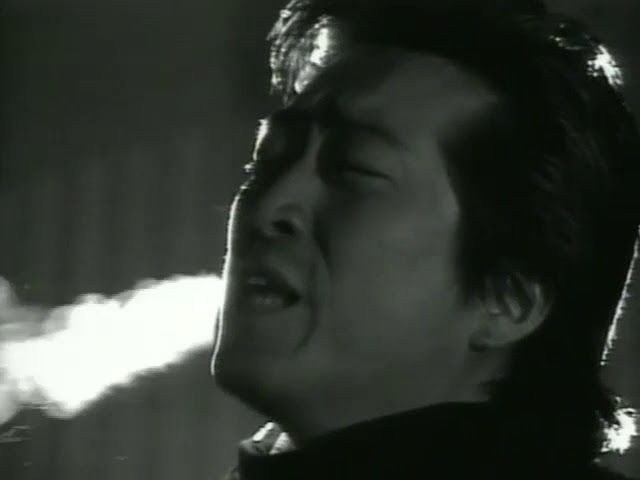
The signature work of THE Toraba-ryu is a masterpiece that portrays the path of life unfolding serenely on an epic scale.
Powerfully voicing the resolve to face adversity and loneliness, this song depicts a stance of overcoming setbacks and moving forward, leaving a deep imprint on many listeners’ hearts.
Its lyrics, which symbolically express life’s journey, resonate with listeners and offer courage and hope.
First released in May 1992 and re-released in 1993, it achieved an astonishing 2.2 million sales.
It was also used as the theme song for a film of the same name released in 1997 and won an Excellence Award at the Japan Cable Radio Awards.
It’s a perfect pick not only for livening up gatherings with friends but also for karaoke with older audiences.
Be sure to showcase this powerful classic that invites everyone to sing along and share in the moment.