

Recommended Japanese karaoke songs for men in their 60s

A karaoke selection for men in their 60s that brings back the youth of the Showa era.
Relive summer memories with Yosui Inoue’s “Shonen Jidai,” the ache of love with Chiharu Matsuyama’s “Koi,” and let Koji Tamaki’s vocals express mature allure to the fullest.
The timeless hits you hummed in your youth will shine anew at karaoke today.
From folk to J-pop, these are songs loved across generations.
Sing a nostalgic tune, and emotions you’d nearly forgotten will vividly return, filling your time with comfort.
Use this article as a guide for your song choices and enjoy wonderful moments with your friends.
- Karaoke songs that are sure to get a 60-something man fired up
- [For People in Their 60s] Ranking of Easy-to-Sing Karaoke Songs [2026]
- [2026 Edition] Songs Loved by People in Their 60s: Classic Hits from Their Youth
- Japanese karaoke songs that are easy for men in their 60s to sing
- Uplifting Japanese songs recommended for men in their 60s
- Popular Japanese songs among men in their 60s: recommended masterpieces and classic tracks
- Interesting Japanese songs recommended for men in their 60s
- A love song that makes a man in his sixties relive his youth. Timeless classics that rekindle the romances of those days.
- [Men in their 60s] Even if you're not good at singing, it's okay! Easy-to-sing songs for karaoke
- For Men in Their 50s: No Worries If You’re Tone-Deaf! A Curated Selection of Easy-to-Sing Karaoke Songs
- [For Men] These Songs Will Make You a Better Singer! Tracks That Are Effective for Karaoke Practice
- Must-see for men: Songs that look cool if you can sing them at karaoke—numbers that women can’t help but be captivated by.
- [60s] Karaoke Popularity Rankings by Generation [2026]
Recommended Japanese karaoke songs for men in their 60s (71–80)
Run, Kotaro!Sorutī Shugā

A masterpiece packed with humor and satire, modeled after a live horse race broadcast.
Released in July 1970, Salty Sugar’s work began as a joke about a chronically late band member and blossomed into superb popular entertainment.
The production weaves in race-style narration, horse names that parody popular buzzwords of the time, and even an impersonation of Governor Minobe, resulting in uproarious comedy.
It was adapted into a Toho-distributed film in February 1971, starring Shunji Fujimura.
The song sold around one million copies and won the New Artist Award at the 12th Japan Record Awards.
It’s a perfect pick to liven up parties and drinking gatherings with friends.
I Love you,SAYONARAChekkāzu

A gemlike ballad where wistfulness and warmth melt together.
Because they love each other, a man and woman choose to part for the other’s happiness—their deep affection seeps into the heart alongside an unforgettable saxophone melody.
Released by The Checkers in March 1987, the song quickly became famous as a SEIKO commercial tune.
It reached No.
2 on the Oricon Weekly chart and captured the No.
1 spot on The Best Ten.
This piece offers comfort to anyone who has experienced parting from someone dear.
The image of a man who deliberately says “I hate you” to initiate the breakup reveals a tender compassion at the heart of this gentle song.
WON’T BE LONGBaburugamu Burazāzu

A track marked by an irresistibly catchy, upbeat groove and a festival-like, uplifting rhythm.
Inspired by the Awa Odori dance, its forward-looking message—filled with a powerful resolve to give your all for someone—really strikes a chord.
It features the Bubblegum Brothers’ signature breezy sound and approachable lyrics.
Released in August 1990, it initially drew little attention, but after being broadcast on a TV program in March 1991, it exploded in popularity and became a million-seller.
In 2006, it was also covered by EXILE and Kumi Koda.
It’s an encouraging anthem that gives energy and courage—especially recommended for those worn out by work or daily life.
It’s also perfect for livening up a karaoke session with friends.
Recommended Japanese karaoke songs for men in their 60s (81–90)
National Sake-Drinking Festival Song of Japanbarakūda

A heartwarming comic song that celebrates the joy of drinking, themed around annual events and regional specialties.
Originally released independently by Baracuda in December 1979, the track gained popularity on cable radio and was officially reissued by Toshiba EMI, reaching No.
11 on the Oricon chart and selling around 700,000 copies.
With a warm musical style that incorporates regional dialects, it is a classic deeply etched in the hearts of the Japanese people.
In 2021, an arranged version with a “hot pot” theme was featured in a Mizkan commercial, winning the hearts of a new generation.
It’s a song that brings smiles to everyone—perfect for livening up banquets and parties, or sharing joyful moments with close friends.
Strawberry Statement, Once Againbanban

This song by Banban is a masterpiece that represents the folk movement of the 1970s.
It portrays tender yet bittersweet memories of youth, as the narrator looks back on a student-days romance, prompted by a rerelease of a film.
Many people can relate to the protagonist’s realistic, down-to-earth portrayal—where youthful ideals meet reality, and he chooses to cut his hair and take a job.
Released in August 1975, the song is also famous as the first piece ever written and provided by singer-songwriter Yumi Arai.
Banban’s harmonies blend beautifully with Arai’s lyrics and melody, and the song became a major hit, reaching No.
1 on the Oricon charts.
Beloved as a song that evokes nostalgia for youth, it’s also known for being easy to sing at karaoke.
Beard and Boobsyunikōn
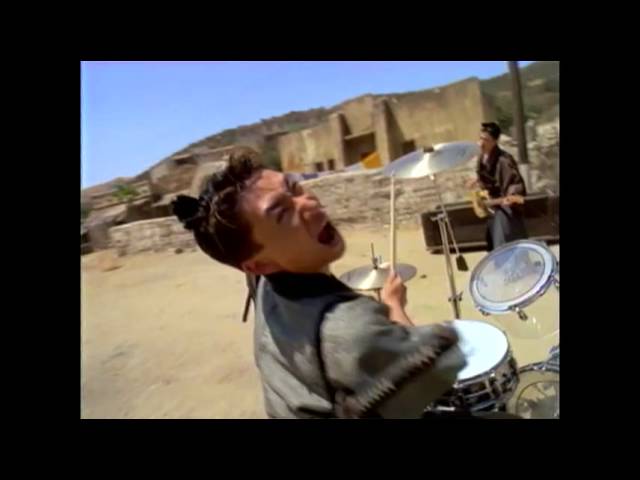
One of Unicorn’s signature works, this song humorously portrays the wavering emotions caught between a salaryman’s job and his love life.
Tamio Okuda’s lyrical world shines as he deftly weaves in modern workplace relationships, from a young company president to the woman at the neighboring desk.
Released in October 1991, the track features an arrangement inspired by the grand sound of Electric Light Orchestra, with a striking use of synthesizers.
As the closing song on the album “Hige to Boin,” it brilliantly conveys the complex feelings of a man who can’t give up on love even while being overwhelmed by work.
It’s a perfect pick for livening up after-work karaoke with colleagues.
If we ever meet in the city somedayNakamura Masatoshi

It’s a gently written, heart-touching classic about memories of a past lover and the wish to meet again.
From parting in the city of memories, to love and resentment, and even the moment when dreams were shattered, it weaves together every moment the two spent together.
Masatoshi Nakamura’s warm vocals blend beautifully with the soothing melody crafted by Takuro Yoshida, resulting in a song that evokes both nostalgia and bittersweet longing.
Released in May 1975, it was used as an insert song in the drama “Oretachi no Kunshō” and reached No.
6 on the Oricon charts.
Many artists, including Naoko Ken and Masayuki Suzuki, have covered it.
It’s a song you’ll want to listen to if you’ve experienced parting from someone dear, or when you’re in the mood to reminisce about the past.