

Recommended Japanese karaoke songs for men in their 60s

A karaoke selection for men in their 60s that brings back the youth of the Showa era.
Relive summer memories with Yosui Inoue’s “Shonen Jidai,” the ache of love with Chiharu Matsuyama’s “Koi,” and let Koji Tamaki’s vocals express mature allure to the fullest.
The timeless hits you hummed in your youth will shine anew at karaoke today.
From folk to J-pop, these are songs loved across generations.
Sing a nostalgic tune, and emotions you’d nearly forgotten will vividly return, filling your time with comfort.
Use this article as a guide for your song choices and enjoy wonderful moments with your friends.
- Karaoke songs that are sure to get a 60-something man fired up
- [For People in Their 60s] Ranking of Easy-to-Sing Karaoke Songs [2026]
- [2026 Edition] Songs Loved by People in Their 60s: Classic Hits from Their Youth
- Japanese karaoke songs that are easy for men in their 60s to sing
- Uplifting Japanese songs recommended for men in their 60s
- Popular Japanese songs among men in their 60s: recommended masterpieces and classic tracks
- Interesting Japanese songs recommended for men in their 60s
- A love song that makes a man in his sixties relive his youth. Timeless classics that rekindle the romances of those days.
- [Men in their 60s] Even if you're not good at singing, it's okay! Easy-to-sing songs for karaoke
- For Men in Their 50s: No Worries If You’re Tone-Deaf! A Curated Selection of Easy-to-Sing Karaoke Songs
- [For Men] These Songs Will Make You a Better Singer! Tracks That Are Effective for Karaoke Practice
- Must-see for men: Songs that look cool if you can sing them at karaoke—numbers that women can’t help but be captivated by.
- [60s] Karaoke Popularity Rankings by Generation [2026]
Recommended Japanese karaoke songs for men in their 60s (71–80)
Like tonight’s moonElefanto Kashimashi
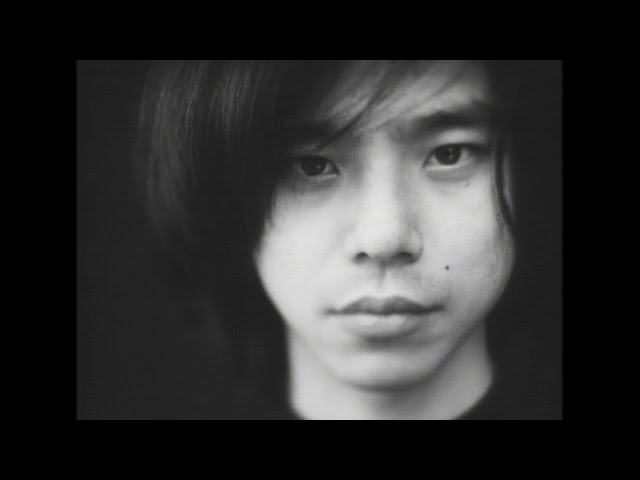
It’s a deeply moving masterpiece that powerfully sings of passion for the future while gazing into everyday feelings of emptiness and loneliness.
Set against the backdrop of a city at dusk, it portrays the solitude and struggles of people living in an urban landscape, yet conveys a strong will to keep looking forward and moving on.
The soulful vocals unique to Elephant Kashimashi and the melody that resonates with the heart are beautifully in harmony.
Released in July 1997, the song was used as the theme for the Fuji TV drama “Because the Moon Shines at Night,” and was also included on the album “Run Toward Tomorrow – Moonlit Songs.” In 2017, it was performed in the band’s first appearance on the NHK Kōhaku Uta Gassen, winning over even more listeners.
It’s a track that will evoke deep empathy when you feel lost in life or spend a night thinking of someone dear.
Funky Monkey BabyKyaroru

A quintessential Carol song that wraps a straightforward love story in breezy rock ’n’ roll, remaining as vibrant as ever.
It portrays the protagonist’s pure feelings as he becomes captivated by his lover’s playful gestures, carried by a melodious sound.
Released in June 1973, it achieved an exceptional 300,000 sales for a rock band at the time.
Its edgy guitar riffs and rhythmic phrases left a significant mark on the history of Japanese rock.
The track was also included on the album “Funky Monkey Baby.” With its catchy melody and infectious rhythm, this song is perfect for getting hyped with close friends at karaoke.
ForeverGosuperāzu
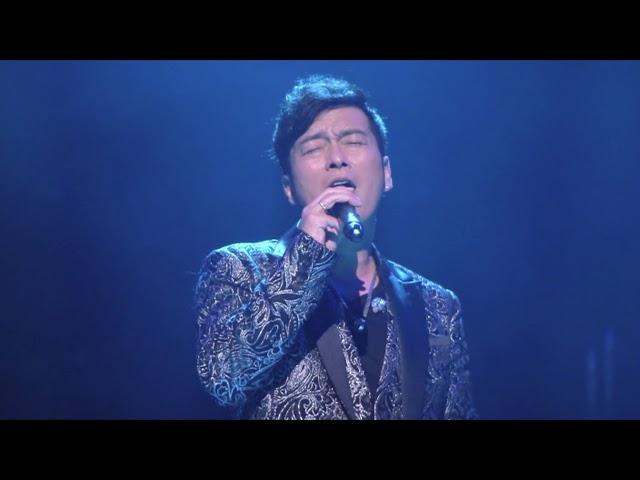
This celebrated song, which sings of an eternal bond with a loved one, gently conveys the unbreakable feelings that exist precisely because love is formless.
Transcending physical distance, the unwavering longing for the other person resonates in the heart alongside beautiful harmonies.
Released in August 2000, the track stayed on the Oricon chart for an impressive 44 weeks and was selected as the opening theme for TV Tokyo’s JAPAN COUNTDOWN.
Its diverse arrangements—hallmarks of The Gospellers—are part of its appeal, including the Album Version on the album “Soul Serenade” and the “unplugged live version” included on the single “Hitori.” It remains a beloved song that makes you want to sing while thinking of someone special, especially after time spent talking with friends.
TSUNAMISazan Ōrusutāzu

Known as a masterpiece that likens the pain of heartbreak to a tsunami, this work is a moving love song celebrated as one of Southern All Stars’ signature pieces.
It’s a gem of a ballad that expresses the sorrow of losing someone dear through a grand melody, fully showcasing Keisuke Kuwata’s exceptional songwriting and composing talent.
Released in January 2000, it topped the Oricon weekly charts and won the Japan Record Award the same year.
It was also selected as the theme song for the popular segment “Mirai Nikki III” on the TV program “U-nan no Hontoko!,” becoming a classic beloved across generations.
As a heartwarming song that offers comfort to those carrying the pain of losing someone special, it’s also highly recommended for karaoke.
Please, God!Za Tenputāzu

A youthful prayer, staking sweet feelings on God, resounds alongside a heartfelt longing for love.
The Tempters’ passionate message is vividly colored by Kenichi Hagiwara’s husky voice and the band’s unified performance.
Released in March 1968, the song reached No.
2 on the Oricon chart and was also used in a Kanebo cosmetics commercial.
Its sound, infused with blues and R&B elements, continues to shine as a symbol of the golden age of Group Sounds.
This classic, which gently embraces the hearts of youth troubled by love, is perfect for moments when you want to be honest with your pure feelings or reaffirm your thoughts for someone special.
A world without youZa Bībāzu

A masterpiece woven from a psychedelic rock sound and a wistful melody, this is The Beavers’ second single, released in November 1967.
Its heartrending tune vividly portrays the pain of a broken heart.
Showcasing beautifully balanced twin vocals and the twin-guitar virtuosity of Hideki Ishima and Masayuki Hirai, the track reached No.
57 on the Oricon chart.
The band also appeared on the TV program “Young 720” that same year.
It’s a song to play on nights when you want to soothe a love-broken heart, or on a quiet afternoon when you’re nostalgic for your youth.
Run, Kotaro!Sorutī Shugā

A masterpiece packed with humor and satire, modeled after a live horse race broadcast.
Released in July 1970, Salty Sugar’s work began as a joke about a chronically late band member and blossomed into superb popular entertainment.
The production weaves in race-style narration, horse names that parody popular buzzwords of the time, and even an impersonation of Governor Minobe, resulting in uproarious comedy.
It was adapted into a Toho-distributed film in February 1971, starring Shunji Fujimura.
The song sold around one million copies and won the New Artist Award at the 12th Japan Record Awards.
It’s a perfect pick to liven up parties and drinking gatherings with friends.